Delay in Cotton Sowing: MSP Set at ₹8,600; Production Could Drop by 20% Without Rain
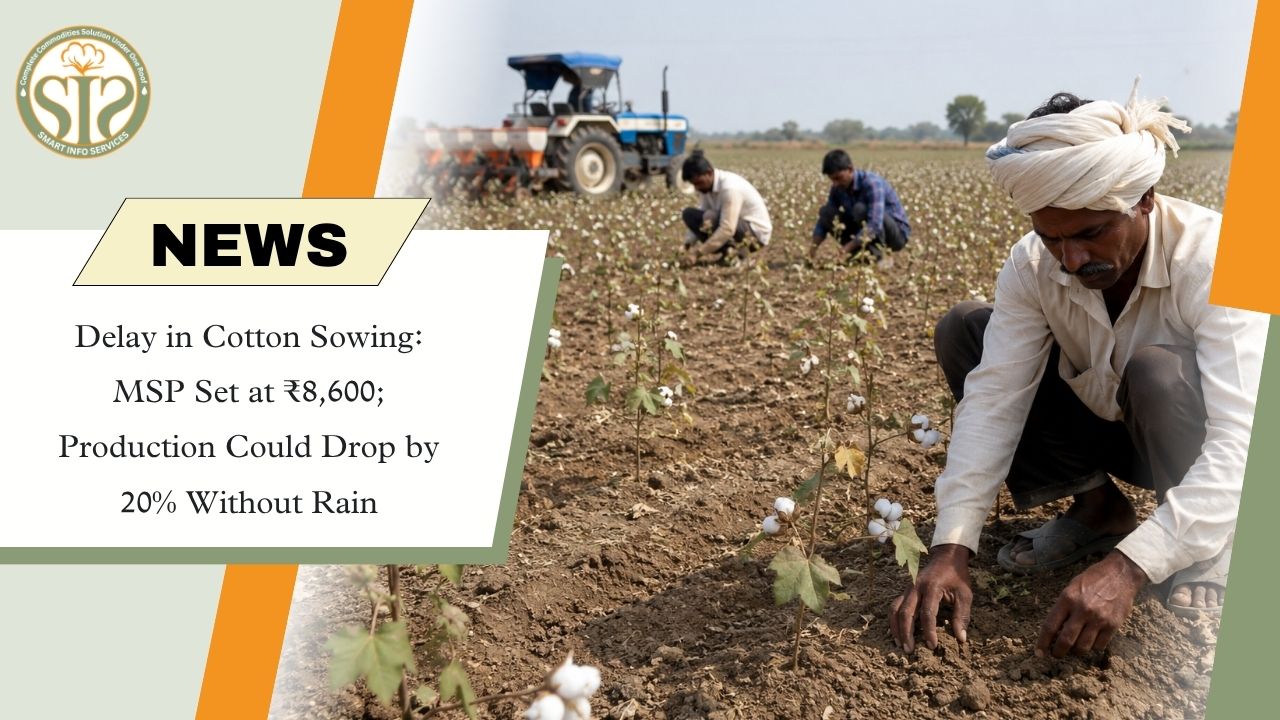
Jalgaon: The central government has fixed the Minimum Support Price (MSP) for cotton at ₹8,600 per quintal for the 2026-27 season. However, sowing has not yet commenced in rain-fed areas due to a lack of adequate rainfall so far. Agricultural experts believe that if sowing is completed by July 5, the crop will be ready for harvest in October, offering farmers the prospect of good yields and the benefit of the MSP. Conversely, if the rains are further delayed, cotton production could decline by 10% to 20%.
In irrigated areas, farmers sowed cotton as early as the last week of May, and germination has already occurred; the crop in these regions is expected to be ready around the time of Vijayadashami. Meanwhile, farmers dependent on rainfall are still awaiting good showers. With the region recording only about 12% of normal rainfall so far, most farmers have postponed sowing.
Production and Trade Impacted Last Season
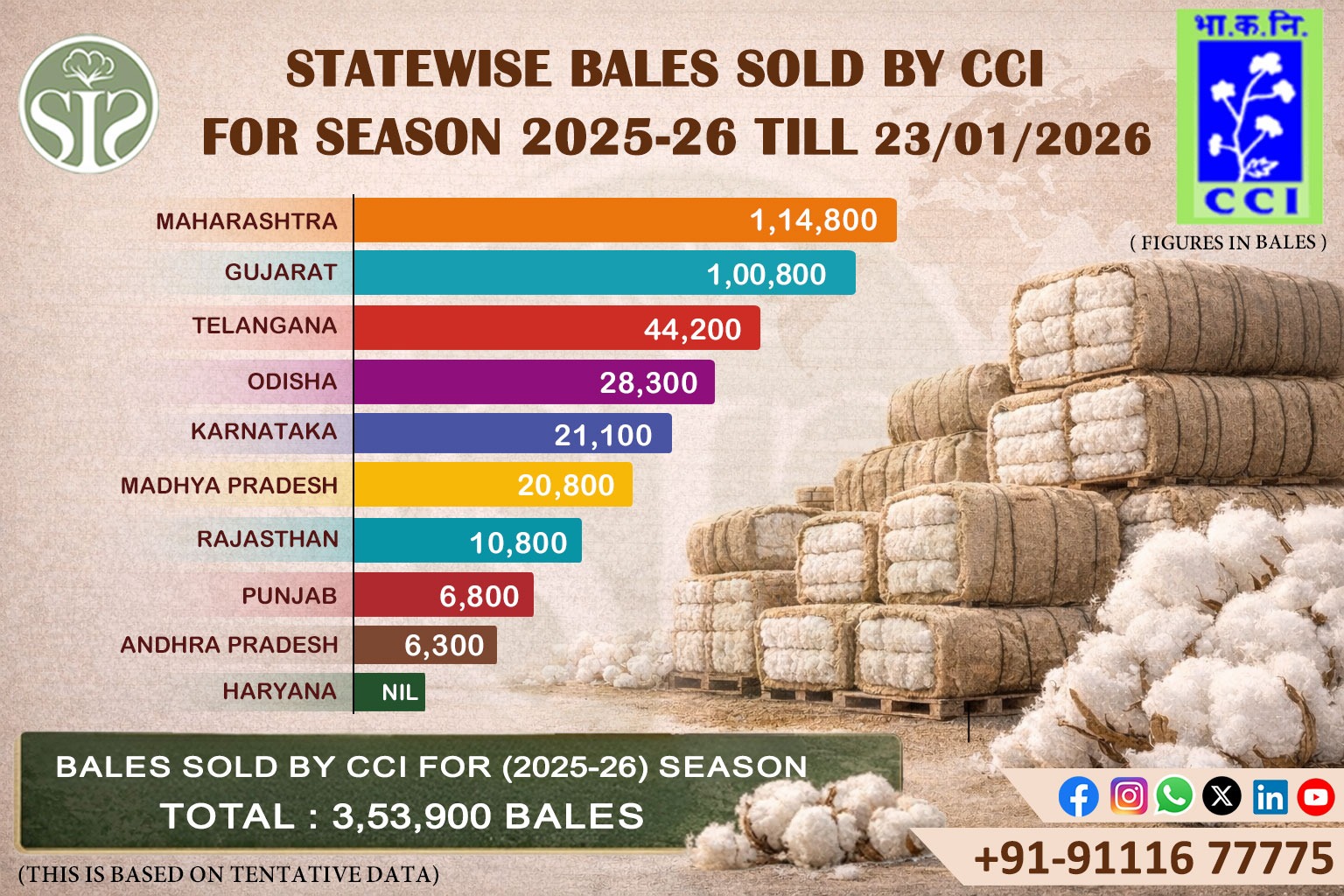
Cotton production was adversely affected by excessive rainfall during the previous Kharif season (2025-26). Additionally, market arrivals of cotton were lower than anticipated because private traders offered low prices. Against an estimated 20 lakh bales, only 8.5 lakh bales were available for procurement by the Cotton Corporation of India (CCI) and private traders.
The shortage of cotton also impacted the ginning and pressing industry. This industry, which typically generates an annual turnover of ₹375 crore, saw its business shrink to between ₹200 crore and ₹225 crore last season.
*Prices Crossed ₹9,000 Mark Towards Season's End*
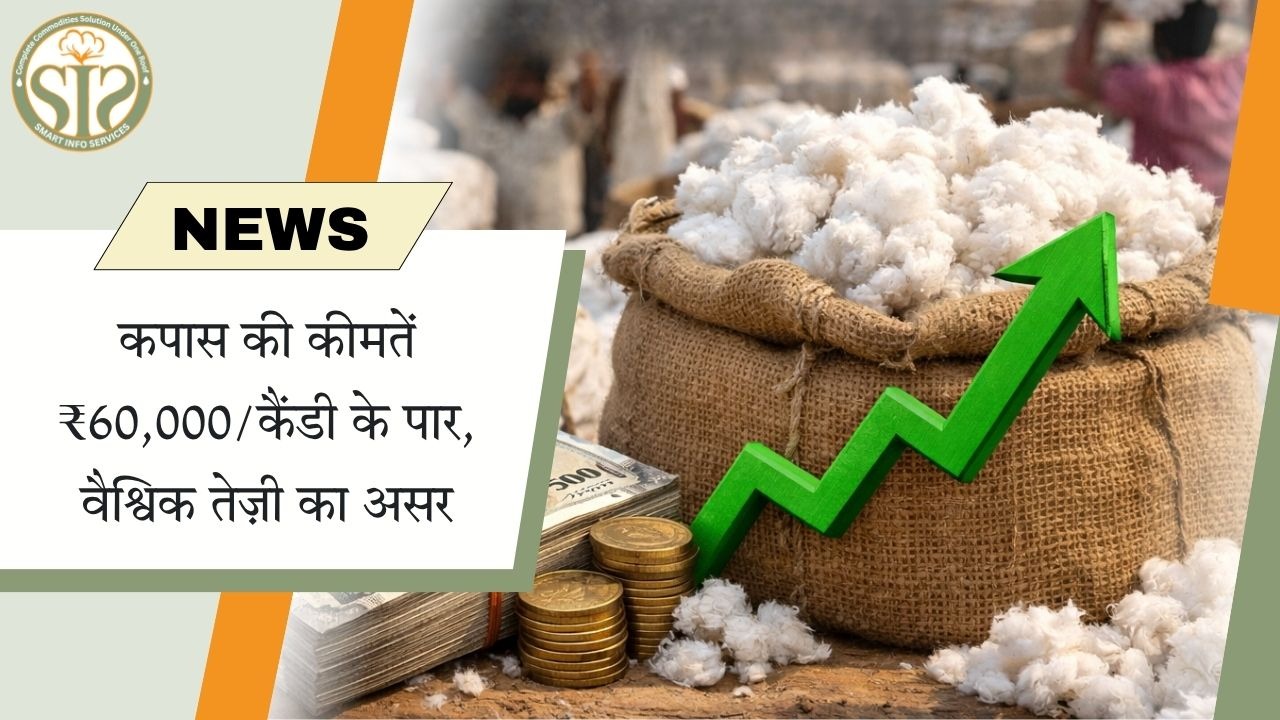
Last year, the central government had fixed the MSP for cotton at ₹8,100 per quintal. Initially, due to high moisture content, private traders offered prices ranging only from ₹7,600 to ₹7,700 per quintal based on quality. However, a subsequent shortage of cotton in the market and limited imports drove up the demand for Indian cotton, pushing prices to between ₹9,000 and ₹9,500 per quintal by the end of the season.
Yet, by May, most farmers had no cotton left to sell; consequently, they could not reap the benefits of these higher market prices.
Farmers' Hopes Hing on Rainfall
According to agricultural experts, this year's cotton yield and farmers' income will largely depend on the rainfall in the coming days. If there is good rainfall over the next week and sowing is completed on time, a balance between production and market dynamics can be maintained. Conversely, any significant delay in rainfall is likely to have a direct impact on production, quality, and agro-based industries.