Crisis Looms Over Kharif Sowing in Maharashtra: Farmers in Maregaon and Dharur Anxious; Risk of Resowing if Rains Fail
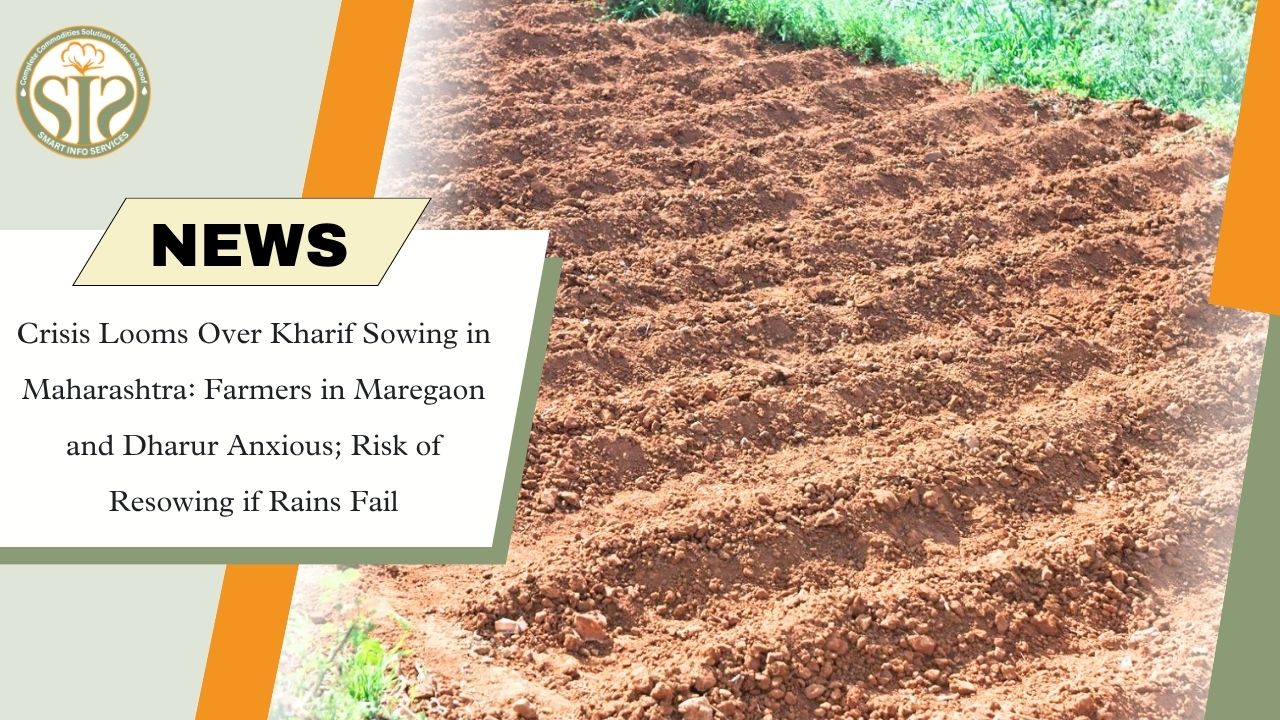
The onset of the Kharif season has become a cause for concern for farmers across several parts of Maharashtra. Farmers in the Maregaon and Dharur talukas, who sowed cotton, soybean, and other Kharif crops relying on early rains, are now facing difficulties due to a lack of adequate rainfall. If substantial rain does not occur in the coming days, many areas may face the prospect of resowing (double sowing).
Farmers had commenced large-scale sowing following light rains at the beginning of the Mrig Nakshatra. In Maregaon, approximately 50 to 60 percent of farmers have completed cotton sowing, while in Dharur taluka, Kharif crops have been sown across nearly 17,000 hectares so far. The total area expected to be sown with Kharif crops in Dharur this year is 41,000 hectares, with cotton and soybean being the primary crops.
Farmers had hoped that the monsoon would remain active after the initial showers; however, the lack of consistent, adequate rainfall post-sowing is causing soil moisture levels to deplete rapidly. Seed germination is being affected in many places, and where plants have already sprouted, they urgently require water to survive. Rising temperatures and drying soil have further heightened the farmers' anxiety.
In Maregaon, limited irrigation facilities mean that most farming relies entirely on rainfall. Consequently, any further delay in rain could cause the seeds to fail due to moisture loss, forcing farmers to resow. In Dharur, crops in areas with shallow or light soil are at the greatest risk. According to agricultural officials, crops in fields that still retain some moisture might survive for a few more days, but the risk of resowing will increase significantly if there is no rain within the next three to four days.
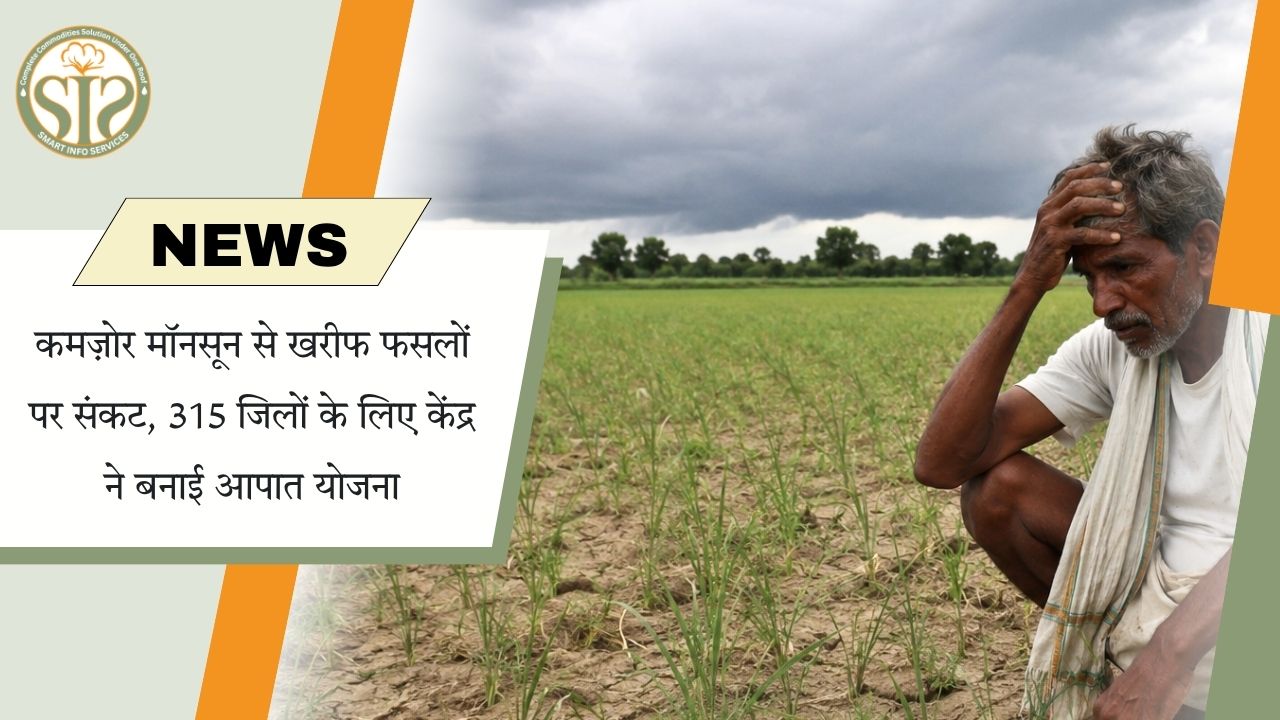
This situation has also placed increased financial strain on the farmers. Amidst the burden of expensive seeds, chemical fertilizers, and rising cultivation costs, farmers had sown their crops on time, hoping for a good yield. However, the erratic monsoon now appears to be dashing those hopes. While excessive rainfall and crop damage posed a major challenge for farmers last year, a lack of rain and insufficient soil moisture have emerged as a new crisis this year.
Janardan Bhagat, the Taluka Agriculture Officer of Dharur, explained that farmers rushed to sow their crops due to the limited rainfall received during the Mrig Nakshatra period. Given the current situation, if substantial rainfall does not occur soon, farmers in several areas may face the prospect of having to sow their crops all over again. Consequently, farmers across both talukas are now anxiously awaiting the next spell of monsoon rain.