Cotton Mandi Fee Cut to 0.5% in Madhya Pradesh; Boost for Ginning Mills and Tribal Employment
By jayesh chouhan 2026-06-11 12:44:44
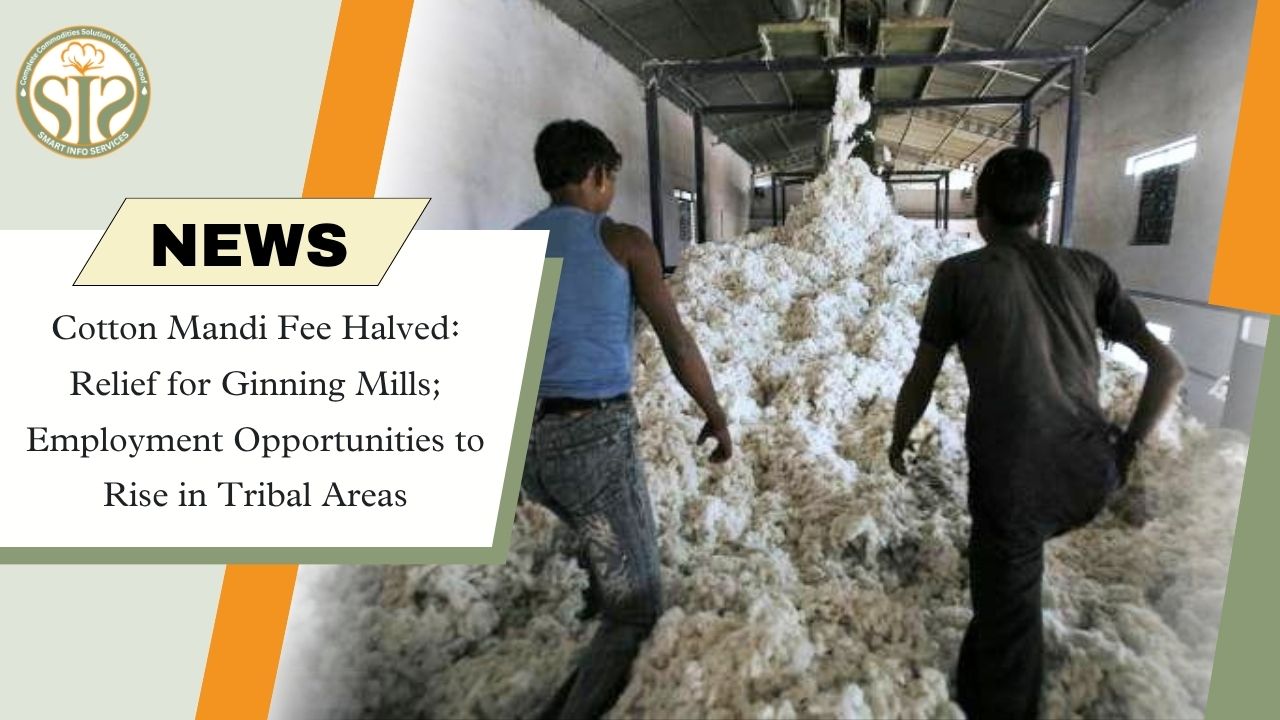
Cotton Mandi Fee Halved: Relief for Ginning Mills; Employment Opportunities to Rise in Tribal Areas
The Madhya Pradesh government has decided to reduce the mandi fee (market fee) on cotton from 1 percent to 0.5 percent. This decision, taken during a cabinet meeting chaired by Chief Minister Mohan Yadav, is expected to directly benefit around nine ginning mills in the Manawar, Gandhwani, Singhana, and Bakaner regions. Additionally, it will create new employment opportunities in tribal-dominated areas.
Boost to Local Industry
According to Pawan Kushwaha, Factory Manager at Biosustain Fibers in Manawar, the reduction in the mandi fee will strengthen the local ginning industry. Previously, a large portion of the region's raw cotton was purchased by traders from neighboring states—particularly Gujarat—leaving local mills without adequate raw material. The Ginners' Association had long been demanding a cut in the mandi fee.
Earlier, the government levied a mandi fee of one rupee per hundred rupees on cotton. With the fee reduction, the outflow of raw cotton from Madhya Pradesh to Gujarat and Maharashtra is likely to decrease. Conversely, cotton from the border areas of Maharashtra may now reach ginning units in Madhya Pradesh.
Boost to Employment and Investment
Last year, cotton arrivals recorded were approximately 25,000 bales in Manawar, 7,500 bales in Bakaner, and around 40,000 bales in Singhana. Industry stakeholders believe that the new arrangement could see the return of some industries that had previously moved out of the state, potentially creating jobs for thousands of people.
This move could also prove helpful in curbing the migration of laborers from tribal development blocks like Manawar, Gandhwani, and Umarban to Maharashtra and Gujarat.
Benefits for Farmers
Experts believe that cotton-producing farmers could receive an additional ₹40 to ₹50 per quintal in local *mandis*. As traders save on transportation and tax-related costs, a portion of that benefit is likely to reach the farmers. This could also provide an incentive for increased cotton production. Increase in General Mandi Fee
In the interest of farmers, the Council of Ministers has also decided to increase the general mandi fee from ₹1.00 to ₹1.50 per hundred. The additional revenue generated will be utilized for development works related to the 'Kisan Sadak Nidhi' (Farmers' Road Fund) and agricultural research, thereby helping to further strengthen agricultural infrastructure.