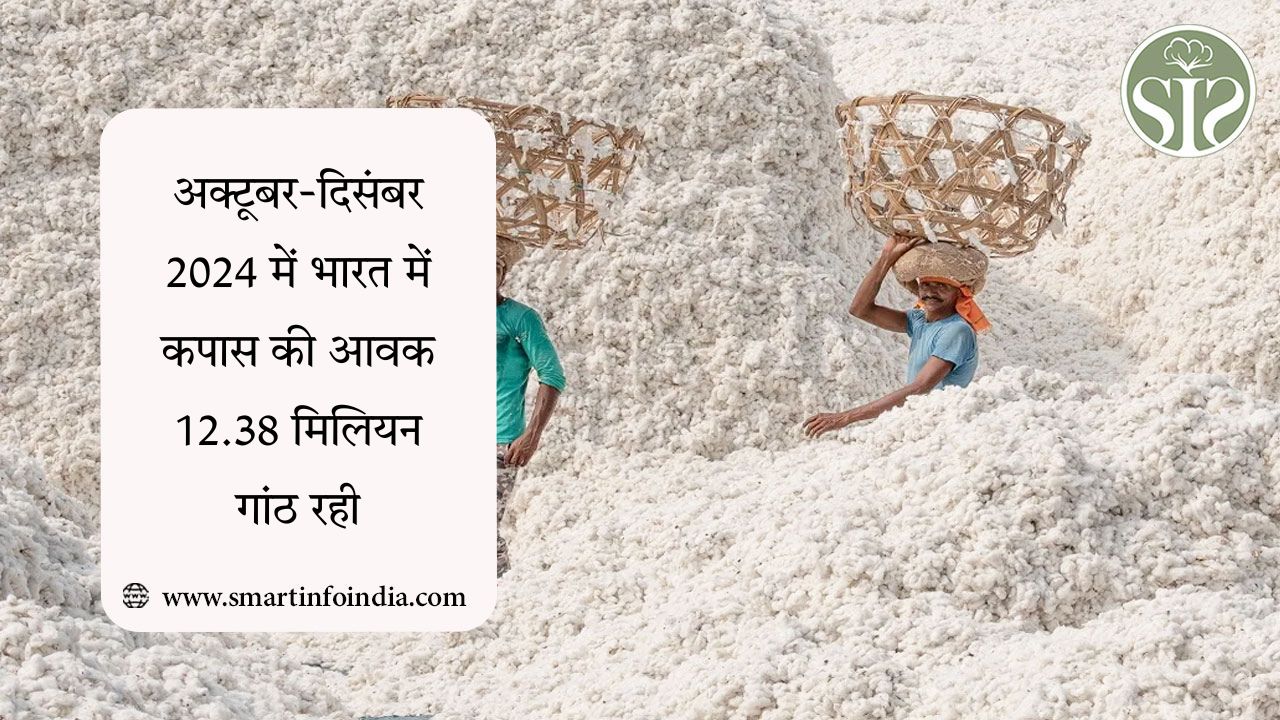
Once rich by growing white gold, now ruined by the pink plague!
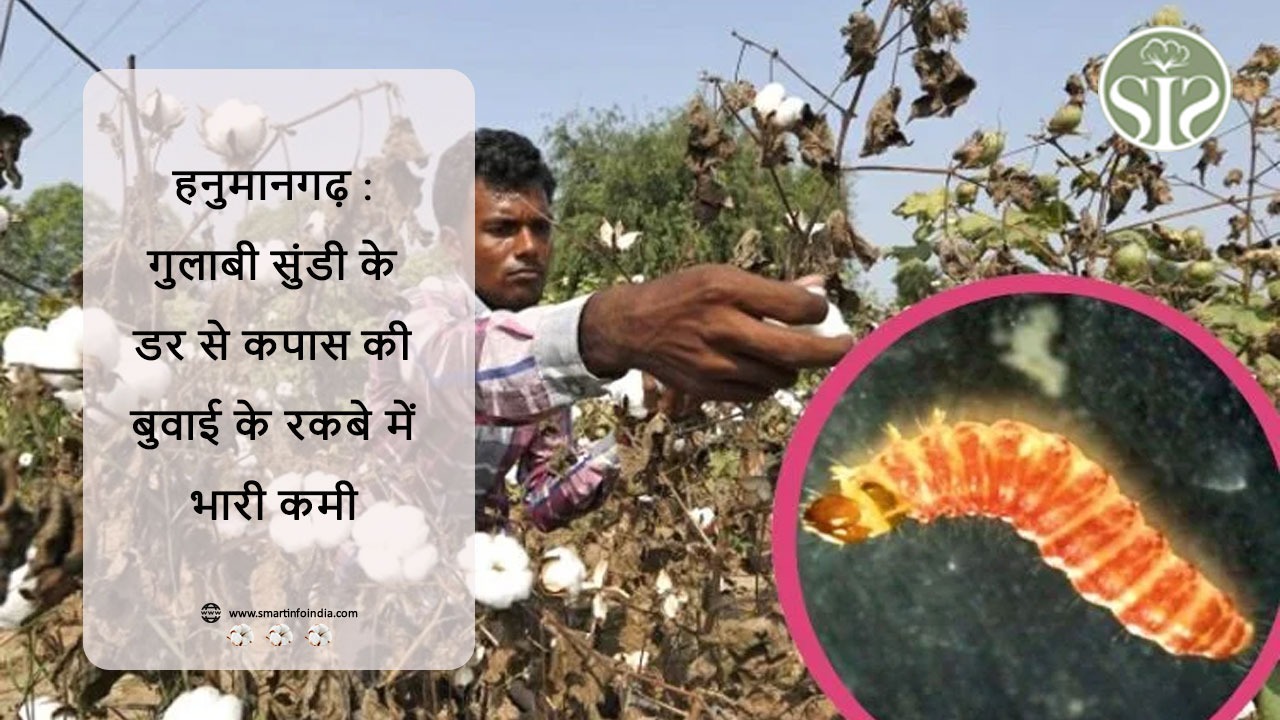
Cotton farming in some Indian states has been a loss-making venture for farmers for quite some time. The pink bollworm is causing severe damage to cotton crops.
White gold... that is, cotton. Thousands of farmers in three Indian states have been transforming their fortunes by cultivating cotton. But now this "white gold" is becoming a loss-making venture for them. The cause of this loss is a "pink plague," the pink bollworm, also known as the pink bollworm. Farmers who have previously earned substantial profits are now incurring losses. The "Hormuz Crisis" is also largely responsible for this loss. As a result, farmers are now cultivating coarse grains like millet and mung beans.
In fact, thousands of farmers in Punjab, Haryana, and Rajasthan are gradually abandoning cotton cultivation and turning to millet and other low-cost crops. Cotton cultivation also uses a lot of fertilizer. There's a fertilizer shortage these days.
The 'Pink Bollworm' Has Broken Farmers' Backs
The biggest problem facing cotton farmers right now is the pink bollworm. This insect burrows into the cotton pod and destroys the seeds and cotton from within. This results in farmers not even getting a fair price for their cotton in the market. Farmers say that while a few years ago, an acre used to yield 10 to 12 quintals of cotton, production has now fallen by half or even less. Farmers in many areas have suffered huge losses. Areas like Sirsa, Hisar, Fatehabad, and Bhiwani in Haryana, Mansa, Bathinda, and Fazilka in Punjab, and Sriganganagar and Hanumangarh in Rajasthan have long been considered the country's major cotton belts. But now, farmers in these same areas are avoiding cotton.
Expensive sprays are also ineffective
Farmers have to constantly use pesticides to protect their cotton crops. Expensive chemicals have to be sprayed repeatedly to protect against the American bollworm, spotted bollworm, thrips, and other pests. Farmers report spraying 5 to 10 times per season. Despite this, the pink bollworm remains undetected. Excessive fertilizers and pesticides have increased farming costs, while reducing profits.
Labour shortage exacerbates the problem
Picking cotton from the fields is considered a very laborious task. This work requires a significant number of laborers, but due to the increasing migration from villages to cities, there is a severe labour shortage in the fields. Even the available laborers are demanding wages ranging from 12 to 25 rupees per kilogram for picking cotton. This has increased the cost of farming. Farmers report that a large portion of the income from selling cotton is spent on labour and medicines.
Increasing burden of fertilizers and chemicals
Cotton cultivation is considered one of the most expensive crops and requires large quantities of fertilizers and chemical pesticides. Several bags of DAP, urea, SSP, and potash have to be applied to just one acre of land. Additionally, expensive pesticides have to be used to protect against various pests. Farmers say that while the prices of fertilizers and pesticides are increasing every year, production and profits are decreasing. Consequently, cotton farming is no longer as profitable as it once was.
Why is the trend towards millet increasing?
Farmers frustrated with cotton are increasingly turning to crops like millet. The main reasons for this are lower costs and lower risks. Millet requires less fertilizer, very few pesticides, and less water consumption. Furthermore, this crop matures quickly. While cotton takes approximately six months to mature, millet is ready in 90 to 95 days. For these reasons, millet offers farmers a more stable and secure option compared to cotton.
Opportunity to harvest three crops in a year
Farmers who cultivate millet have the opportunity to cultivate two more crops in the remaining season of the year. After sowing millet in Kharif, crops like mustard in Rabi and then mung in Zaid season can be easily grown.
Procurement at MSP is the biggest demand
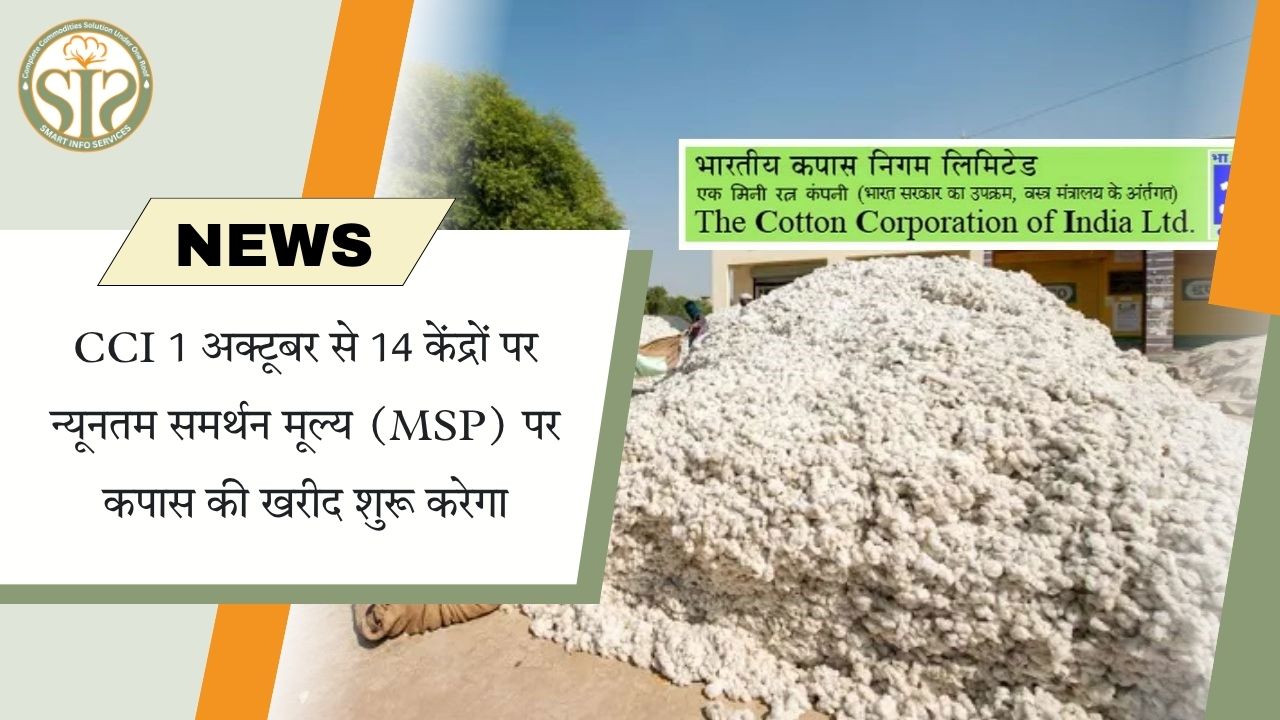
After facing problems like pink bollworm, expensive fertilizers, and high labor, even when farmers go to sell cotton in the market, they do not get the MSP price. Often, they get a price even lower than the MSP.
In 2025, the MSP for millet was Rs. 2775 per quintal, but many farmers received only Rs. 2100 per quintal in the market. This year, the MSP has been increased to Rs. 2900 per quintal, but farmers fear that if government procurement does not take place, they may face further losses.
Fertilizer crisis increases concerns
This year, the international situation has also increased farmers' concerns. Due to tensions in West Asia and the impact on global supply chains, a fertilizer crisis is being feared. India relies heavily on imports for fertilizers and their raw materials. If fertilizers become expensive or are not available on time, fertilizer-intensive crops like rice, maize, and sugarcane could be severely affected.
Are Millets the Future?
The United Nations has already declared 2023 the International Year of Millets. India is the world's largest millet producer. Amid changing climate, water scarcity, and rising costs, coarse grains like millet are now becoming a more profitable option for farmers.
READ MORE :- Andhra Pradesh Takes Up Cotton Concerns with Union Minister Piyush Goyal