Punjab Cotton Sowing Falls to Record Low in Kharif 2026
By yash chouhan 2026-06-04 13:09:42
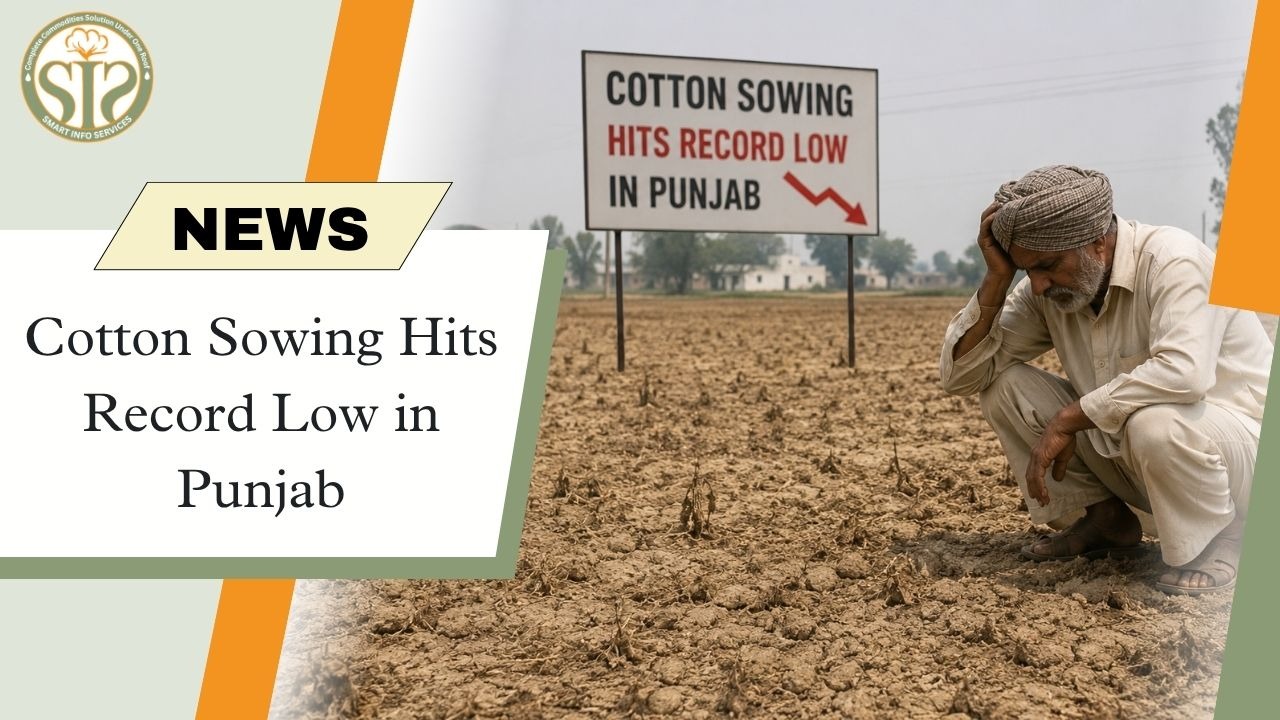
Cotton Sowing Hits Record Low in Punjab
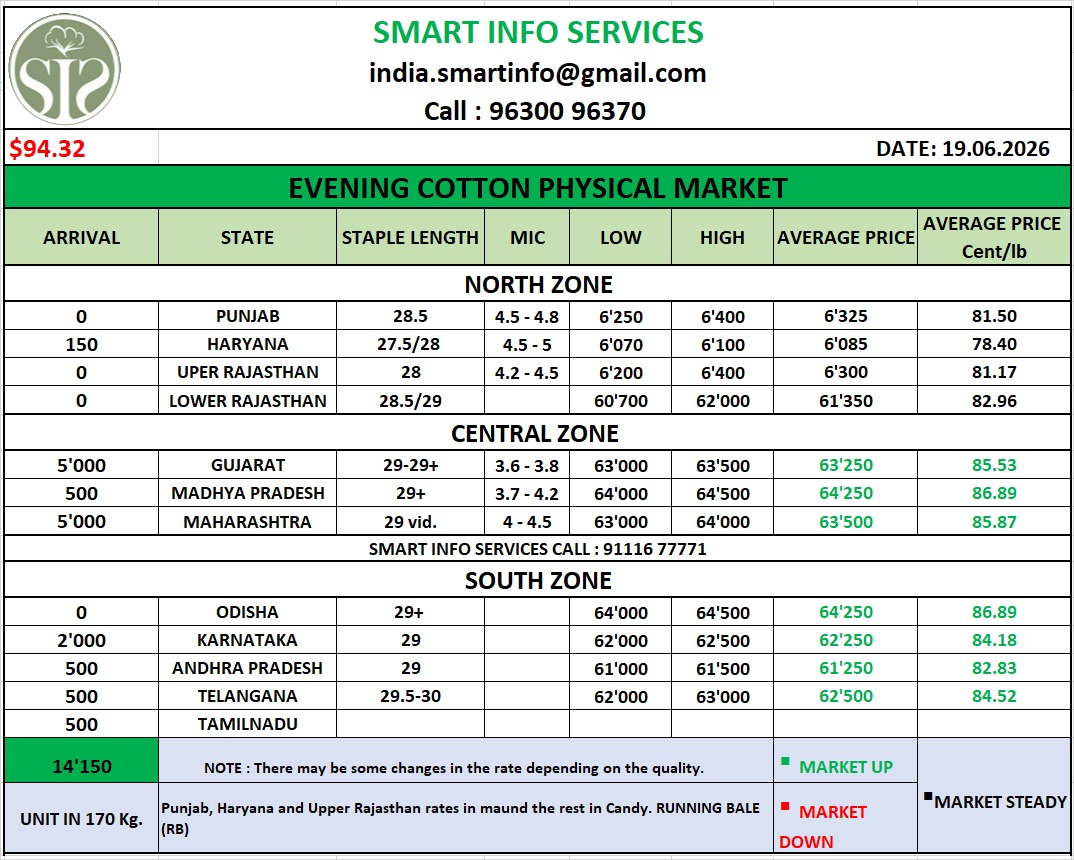
The government's efforts in Punjab to promote crop diversification and reduce dependence on water-intensive crops like paddy have suffered a setback. In the 2026-27 Kharif season, cotton sowing has plummeted to a record low. The state government had set a target of cultivating cotton across 1.25 lakh hectares; however, as of June 2, sowing has been completed in only 70,000 hectares—amounting to a mere 56 percent of the set target.
According to data from the Agriculture Department, Fazilka district accounts for the largest area under cotton cultivation, spanning 40,000 hectares. This is followed by the districts of Bathinda, Mansa, and Sri Muktsar Sahib, where sowing has been recorded across approximately 10,000 hectares each. Officials state that the final figures will emerge after June 15; however, the likelihood of a significant increase in acreage remains slim, as farmers are increasingly distancing themselves from cotton cultivation.
According to agricultural experts, adverse weather conditions over the past several years—coupled with pest infestations such as whitefly and pink bollworm, as well as financial losses—have eroded farmers' confidence. While there was no major pest outbreak in 2025, unseasonal rains during the cotton harvesting period in October inflicted severe damage upon the crops. Consequently, both production levels and farmers' incomes were adversely affected.
Charanjit Singh, Deputy Director (Cotton) at the Punjab Agriculture Department, stated that the decline in cotton acreage would likely drive more farmers toward paddy cultivation, thereby placing additional pressure on groundwater resources. He noted that the government is making continuous efforts to reduce the area under paddy cultivation and promote alternative crops.
Experts believe that new hybrid cotton varieties—characterized by superior pest resistance and high productivity—could potentially help regain farmers' confidence in the future. However, issues such as counterfeit seeds, market prices falling below the Minimum Support Price (MSP), and persistent crop-related risks continue to remain the primary concerns for farmers.