Consideration of Limited Exemption on Cotton Import Duty
By yash chouhan 2026-05-04 13:56:55
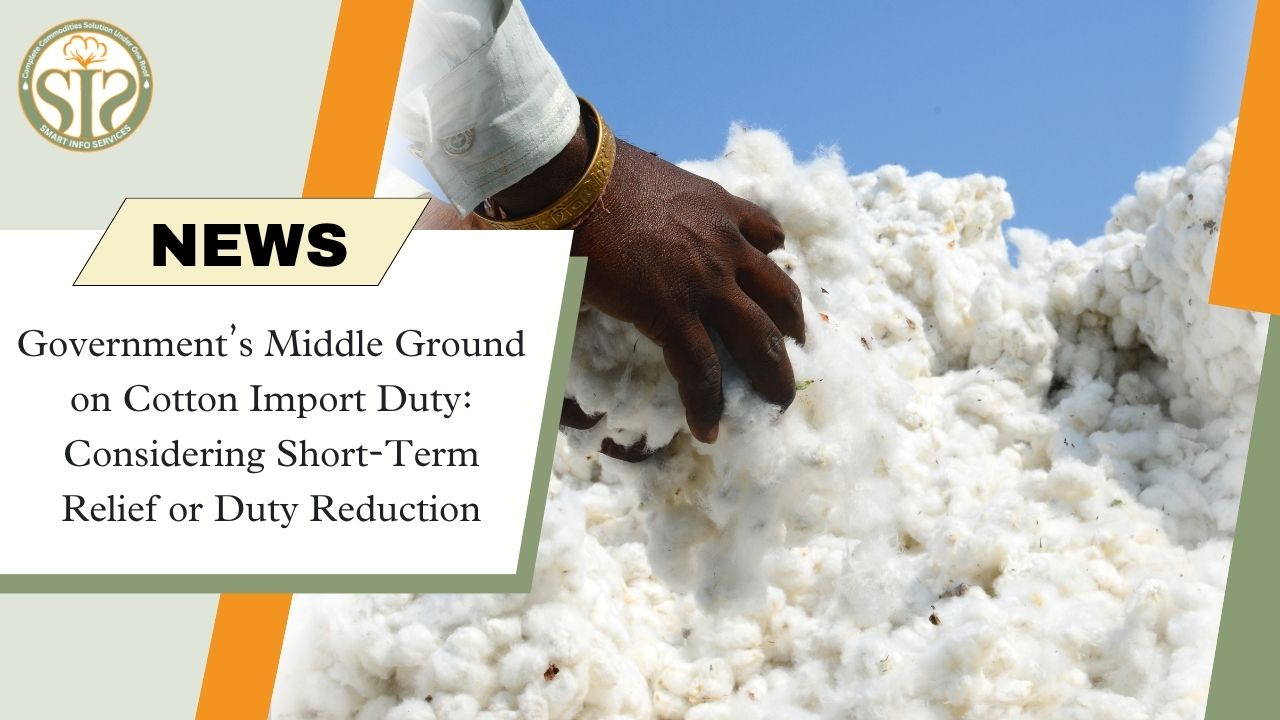
Government’s Middle Ground on Cotton Import Duty: Considering Short-Term Relief or Duty Reduction
Union Agriculture Minister Shivraj Singh Chouhan has signaled a move toward finding a "middle ground" amidst the ongoing differences between the industry and the Ministry of Agriculture regarding cotton import duties. The textile industry had demanded zero import duty on cotton until December 2026, a proposal that the Ministry of Agriculture has been opposing. The Ministry argues that such a move would send a negative signal to farmers, particularly at a time when cotton sowing has already commenced.
According to sources, one potential option under consideration is to permit zero-duty imports for a limited duration during the September-October period, as domestic stocks are deemed sufficient to meet demand until August. A second option involves reducing the existing 11% import duty to approximately 6–7%.
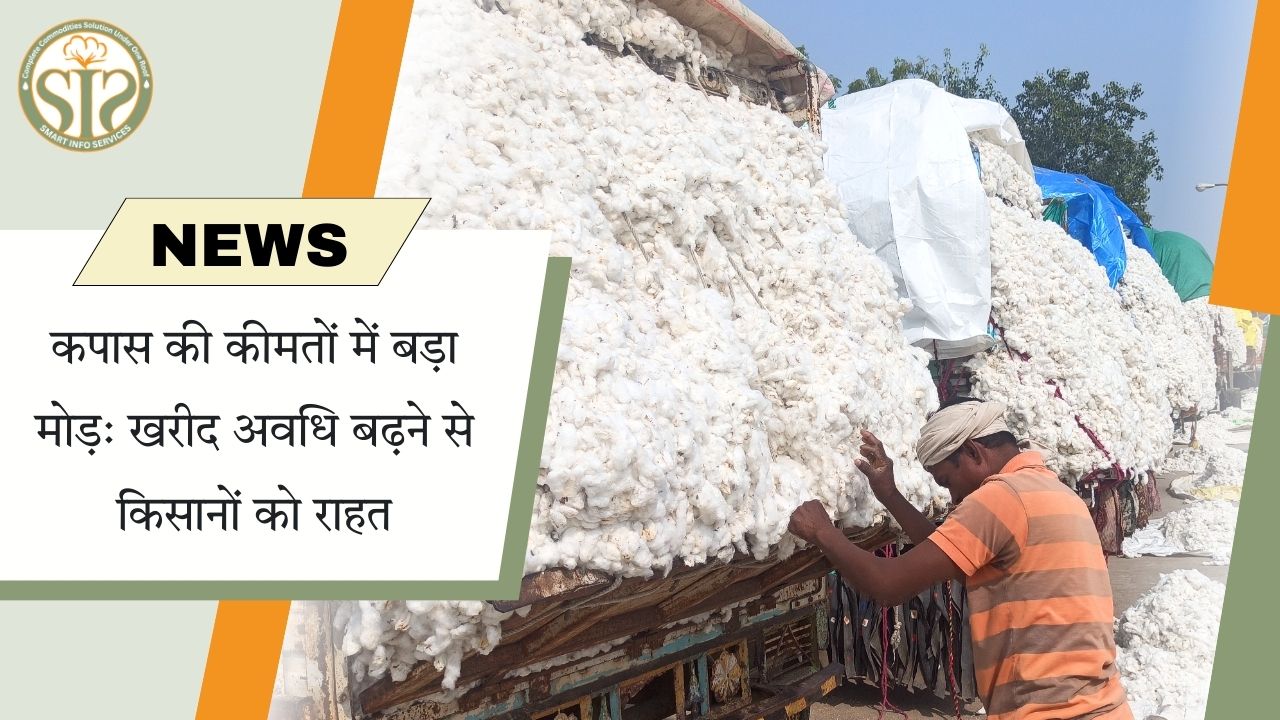
During a high-level meeting attended by officials from the FIEO and various government ministries, it was noted that the Cotton Corporation of India currently holds a stock of approximately 47 lakh bales of cotton. When combined with private sector stocks, the country is well-positioned to meet domestic demand until August.
However, the industry argues that domestic prices remain high, thereby driving up production costs and undermining export competitiveness. Conversely, with the new harvest expected to arrive starting in October, the government must make a decision that carefully balances both short-term and long-term considerations.
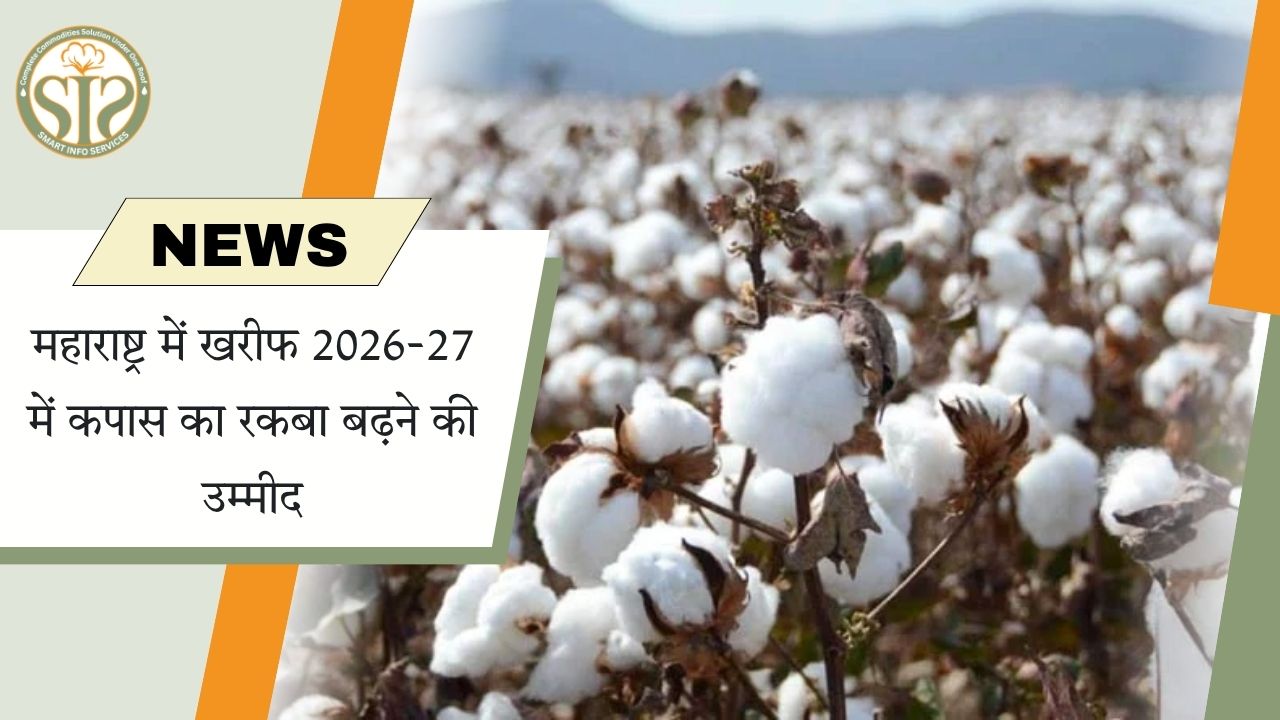
Cotton production for the 2025–26 season is projected to decline to approximately 290.91 lakh bales, down from 297.24 lakh bales in the previous year. The acreage under cultivation is also shrinking—a trend attributed to pest infestations, a shift toward alternative crops, and the expectation of better financial returns elsewhere.
According to the Cotton Association of India, for the upcoming season, production is projected to reach 324 lakh bales, consumption is estimated at 315 lakh bales, and imports could rise to 47 lakh bales. Against this backdrop, the government aims to strike a delicate balance between the needs of the industry and the interests of the farmers.