Gujarat Textile Industry Faces Cotton Crisis as Raw Material Costs and US Tariffs Raise Pressure
By jayesh chouhan 2026-07-27 13:25:54
Cotton Crisis: Pressure from Fields to Ports; Gujarat’s Textile Industry Besieged on Multiple Fronts
Gujarat’s major textile industry is currently grappling with mounting margin pressures across several levels. The state—which accounts for approximately one-quarter of the country's spinning output and contributes nearly one-third of its raw cotton production—is under strain due to dwindling cotton availability, poor yields, rising energy costs, and shifting US trade policies.
The impact of these challenges is evident across the ginning, spinning, weaving, and textile processing clusters stretching from Saurashtra to Surat. The issue is not limited to a shortage of raw materials; rising production costs and sluggish demand have further squeezed industry margins.
The area under cotton cultivation in Gujarat has shrunk from 26.79 lakh hectares in the previous season to 23.62 lakh hectares. Faced with an erratic monsoon, rising cultivation costs, and lower returns from cotton, many farmers in Saurashtra and North Gujarat are shifting towards groundnut and other oilseed crops. Additionally, the growing menace of the pink bollworm in Bt cotton has increased both costs and risks for farmers.
According to estimates by the Cotton Association of India (CAI), cotton pressing in Gujarat has dropped to around 76 lakh bales, whereas production in Maharashtra is reported at approximately 85 lakh bales.
Raw cotton prices have surged from ₹54,000 per candy to over ₹66,000 per candy. However, the price of finished fabric has not risen at the same pace as yarn prices. Consequently, producers have been unable to pass the full burden of increased costs on to buyers. Industry bodies in Surat estimate that weaving and processing units have incurred losses ranging from ₹2,500 crore to ₹3,000 crore.
Many units have curtailed production due to weak demand and accumulating inventories. Some mills have reduced production shifts by up to 50%, while others have decided to halt operations for up to two days a week.
Energy costs have further exacerbated the crisis. Mills in Rajkot, Kadi, and Ahmedabad are forced to rely on expensive grid power due to the limited availability of low-cost captive solar and wind energy.
Meanwhile, the threat of an additional 10% tariff on Indian textile products—set to take effect under the US trade framework on July 24, 2026—continues to loom. Although India holds an advantage of approximately 2.5 percentage points over certain competing nations, the effective tariff could reach around 15.5% to 16% once MFN duties are factored in.
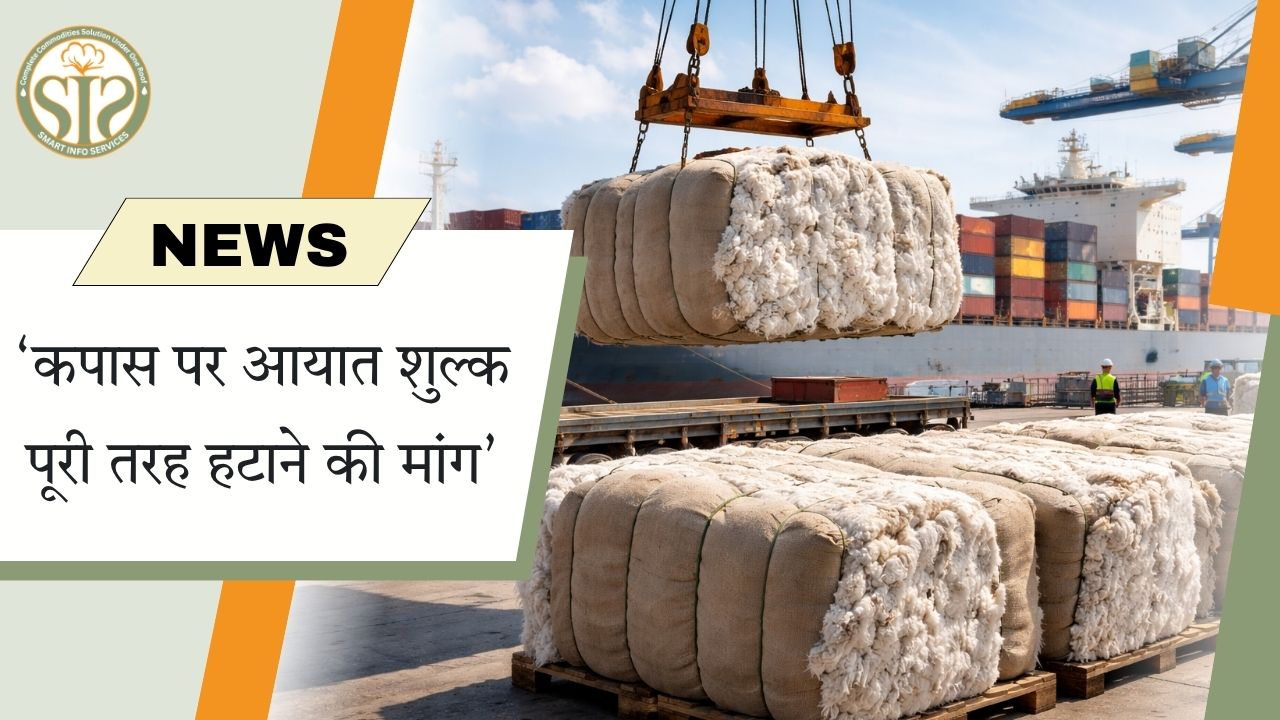
Industry bodies have urged the government to ensure a steady supply of raw cotton through the CCI, provide tariff relief within the India-US trade agreement, offer temporary relief on industrial electricity rates, and increase interest subsidies.