India's $174 billion textile industry hit by West Asia conflict
By yash chouhan 2026-04-01 15:01:58
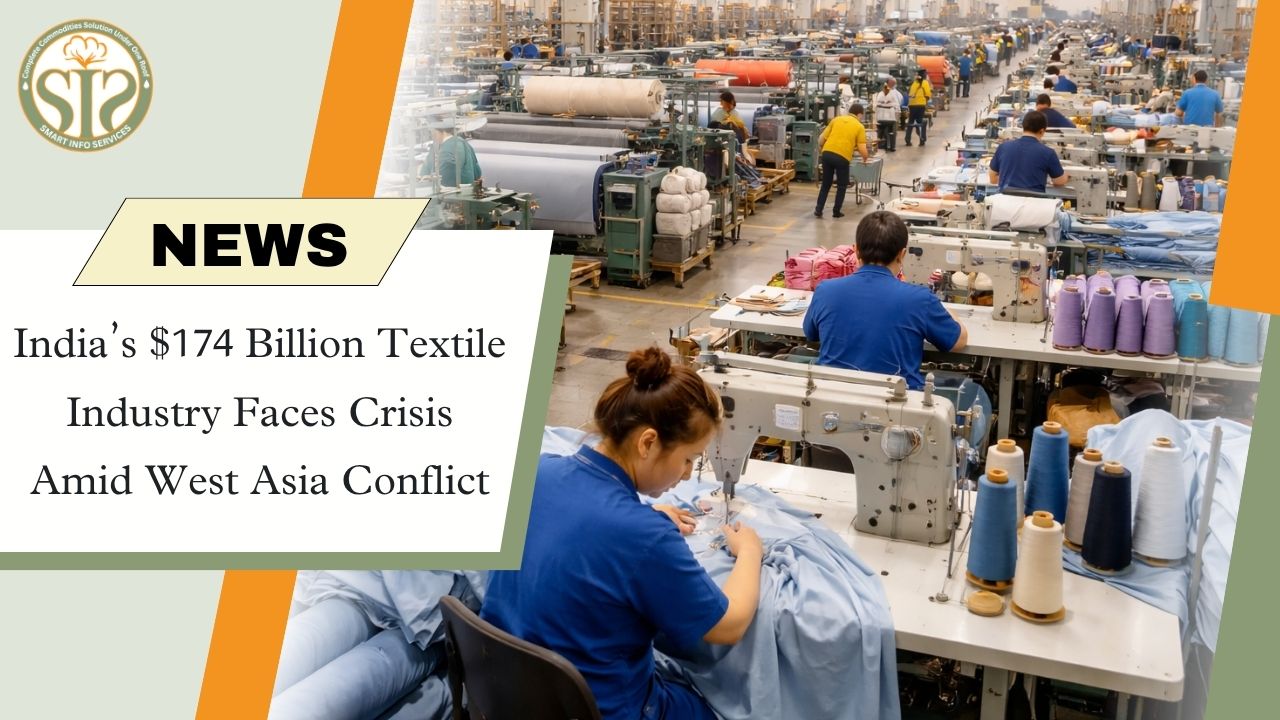
India’s $174 Billion Textile Industry Faces Crisis Amid West Asia Conflict
India’s $174-billion textile industry, one of the world’s largest, is grappling with a crisis triggered by the ongoing West Asia conflict involving the US, Israel, and Iran. Rising crude oil prices, higher raw material costs, labor migration, and weakened demand are intensifying challenges reminiscent of the COVID-19 disruption.
Exporters are still reeling from earlier US tariff uncertainties, which squeezed margins and created prolonged instability. For an industry projected to reach $350 billion by 2030 and employing over 45 million people, the impact is substantial.
Clusters like Surat, known as India’s “Silk City,” have seen voluntary production cuts of around 40%, while Tiruppur, the “Knitwear Capital of India,” faces soaring operational costs—logistics up 400%, coal 80%, and chemicals 20%. Labor welfare is also a concern, as rising fuel costs threaten basic living conditions for hundreds of thousands of workers housed in hostels dependent on LPG.
Compared with competitors such as China, Bangladesh, and Vietnam, India suffers from longer shipping times, creating higher inventory burdens for buyers. Experts urge measures like loan deferment, restructuring stressed accounts, enhanced working capital, and lower interest rates to sustain the sector.
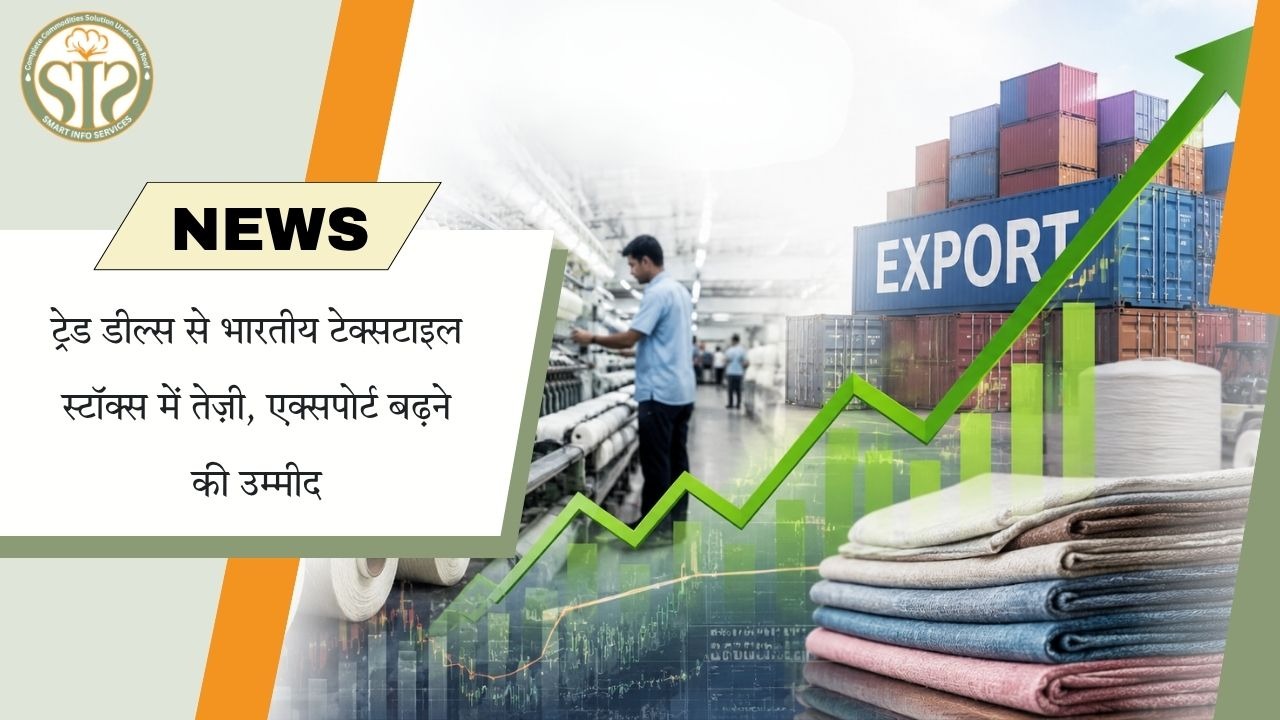
Industry leaders stress market diversification as a key strategy. Expanding into domestic markets, technical textiles, and free-trade agreement (FTA) countries can mitigate risks from geopolitical volatility. While short-term challenges loom, India’s textile sector remains poised for long-term growth, with a $100-billion export target by 2030. The immediate priority is preserving the industry ecosystem until global stability returns.