Filter

Recent News

Preparations underway to remove import duty on cotton, farmers may suffer losses due to fall in prices

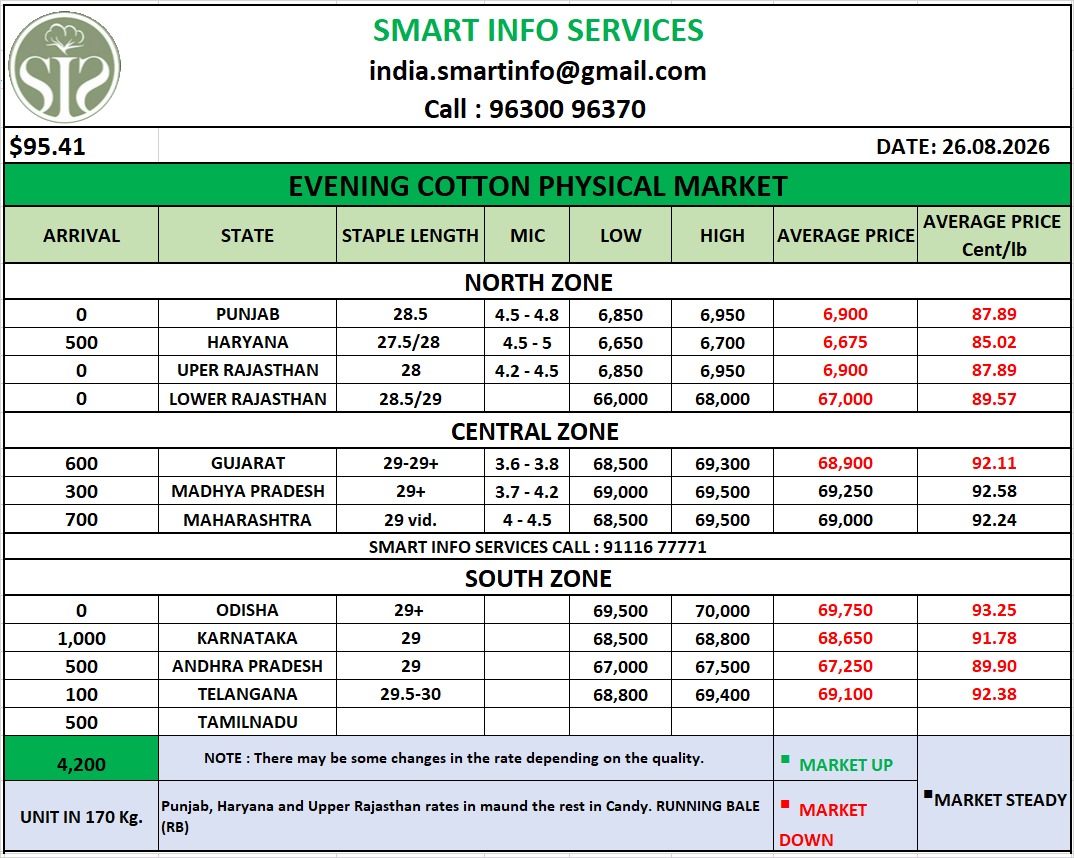
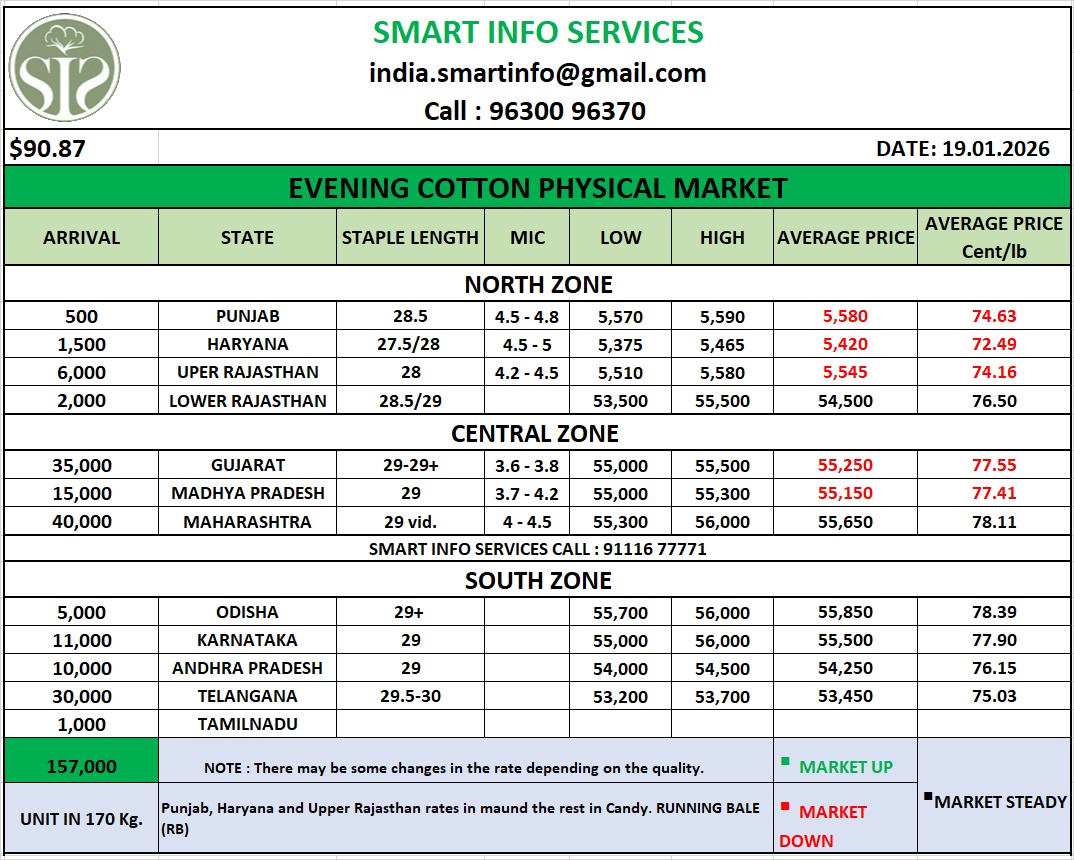
Cotton Import Duty Cut May Hurt Farmers with Price DropThe Government of India may abolish the 10 percent import duty and 10 percent cess on cotton. The reason is the pressure of the cotton industry! In view of the shortage of cotton in the country, the cotton industry is trying to get the import duty on cotton abolished with the aim of increasing textile exports. But farmers may have to suffer losses due to this.If the import duty on cotton is abolished, then the prices of cotton in the domestic market may fall due to cheap imports from abroad. Apart from farmers, the Cotton Corporation of India (CCI), the government agency authorized to purchase cotton at the Minimum Support Price (MSP), may also have to bear the loss. Because out of the approximately 100 lakh bales purchased by CCI at MSP, about three-fourths of the stock is still with it.According to sources, the Ministry of Textiles is in favor of abolishing the import duty on cotton and CCI is also expected to agree on this issue. There is a lot of lobbying by the yarn and fabric industry for the removal of import duty on cotton. Currently, 10 percent import duty is applicable on cotton and 10 percent cess is levied on it, due to which the effective import duty becomes 11 percent.Lalit Kumar Gupta, CMD of Cotton Corporation of India (CCI), told Rural Voice that India imports 10 to 15 lakh bales of special quality cotton every year and this import is not affected by customs duty. Because this kind of cotton is not produced in the country and it has to be imported. The central government had recently called a meeting of the Committee on Cotton Production and Consumption (COCPC) to discuss the issue of cotton import, in which the opinion of most of the people involved was in favor of abolishing the import duty on cotton. Some people involved in the meeting also said that in case of removal of duty, the prices of cotton outstanding with the farmers will fall.When asked about CCI's opinion on the removal of customs duty on cotton, Lalit Kumar Gupta said that whatever decision the government takes, we are with it. As far as farmers are concerned, their interests are protected by MSP. We are the agency responsible for protecting the interests of farmers. However, regarding the loss due to fall in prices, he says that we sell cotton in the market throughout the year. Sometimes we get high prices at the end of the year because in case of shortage of cotton in the market, ginning companies stop the goods and even then increase the price. Still, if CCI suffers any loss, the government compensates for it.The Managing Director of CCI says that the yarn and fabric industry is of the opinion that government interference should be less. At the same time, if India abolishes customs duty, then due to the opening of the Indian market for import, the prices of cotton in the global market increase by one to two percent. Along with this, he told that there is no customs duty on cotton in any country other than India. We have import duty on cotton from 2022. He said that CCI is selling cotton at the price of Rs 55 thousand to Rs 56 thousand per candy (about 356 kg). In the current season 2024-25, CCI has purchased 100 lakh bales of cotton (170 kg per bale) and about 25 percent of it has been sold in the market.The season of buying cotton at MSP by CCI has also ended. In such a situation, about two-thirds of the crop is either with the farmers or the farmers have sold it to the traders. Industry sources say that farmers have 60 to 65 lakh bales of cotton. If the government removes the import duty on cotton, then its import will cost around Rs 48 to 50 thousand per candy. In that situation, the prices of domestic cotton being sold by CCI at Rs 55 to 56 thousand per candy may be adversely affected. Not only will this harm the farmers, but if the prices fall, industry sources are fearing that CCI may also suffer a loss of more than Rs 2000 crore on the outstanding stock.For the cotton season 2024-25, the Cotton Association of India (CAI) had estimated cotton production in the country to be 302.25 lakh bales, which was reduced to 295.30 lakh bales in March 2025. According to CAI, the consumption estimate for the current year is 313 lakh bales. At the same time, in the second advance estimate of agricultural production released by the government on March 11, 2025, cotton production has been reduced to 294.25 lakh bales. The Ministry of Agriculture had released an estimate of cotton production to be 299.26 lakh bales in the first advance estimate released in November 2024.If the government abolishes the import duty on cotton, then farmers will be discouraged at the time of sowing the new crop as the cotton sowing season is starting. The government had announced the Cotton Mission in this year's budget, which aims to promote cotton production in the country. If cheap cotton is imported into the country, then the government's objective along with the farmers may be adversely affected. Along with this, this issue can also take a political color and farmer organizations can oppose this move of the government. The special thing is that there are about 220 Lok Sabha seats in the country where cotton is produced. In such a situation, this matter is also politically very sensitive.read more :-Rupee opens 5 paise lower at 85.08 against dollar

Reviving ‘white gold’: How regenerative cotton farming can be a gamechanger in North India

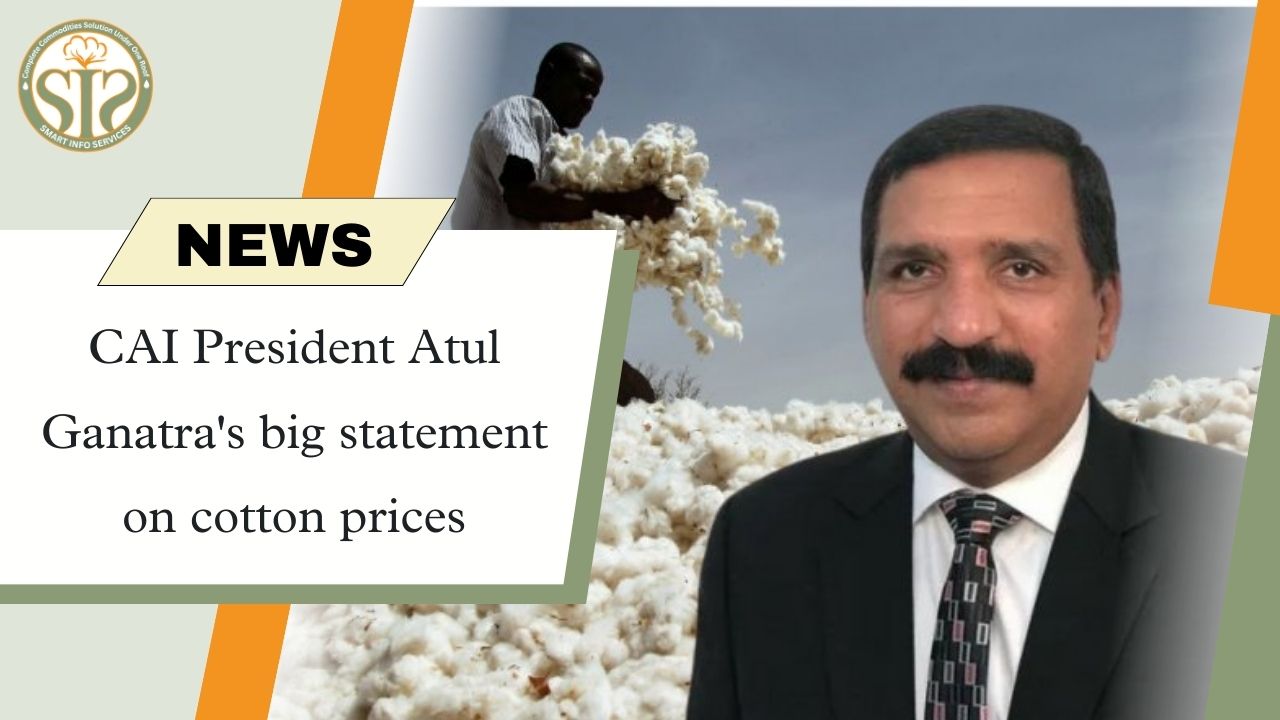
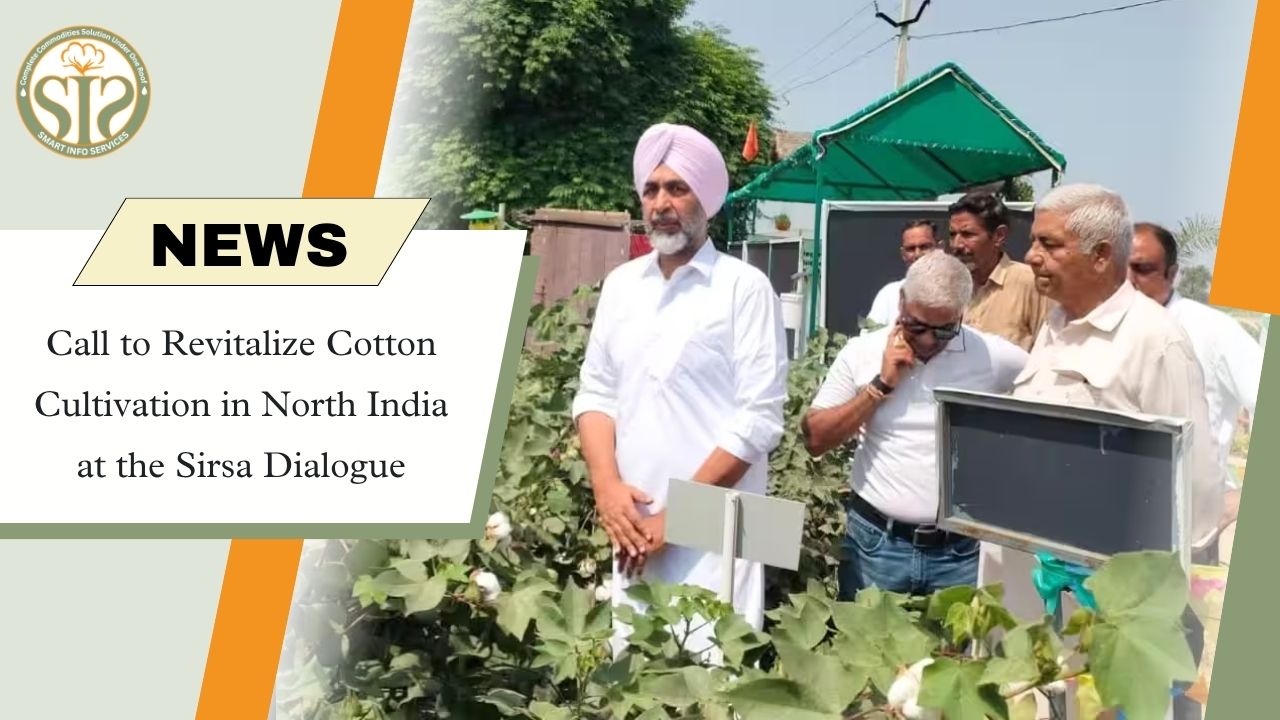
Reviving White Gold: Regenerative Cotton's Promise for North IndiaOnce acclaimed as “white gold”, cotton—the backbone of India’s textile economy—is facing a crisis in North India. Farmers in Punjab, Haryana, and Rajasthan are grappling with a massive drop in area, yield, and quality due to persistent pink bollworm (PBW) infestation, whitefly attacks, cotton leaf curl virus (CLCuV) and soil-borne diseases such as boll rot and root rot. With erratic weather patterns, including prolonged droughts and erratic rainfall, the cotton belt of North India is at a crossroads.Against this backdrop, a phenomenal demonstration of regenerative cotton farming in Haryana’s Sirsa district has shown a promising way forward, even as the cotton sowing season in North India has just begun.The initiative, launched at the Cotton Association of India (CAI) farmer training programme on April 11-12 in Mumbai, drew the attention of leading agricultural experts, including CAI President Atul S Ganatra, Indian Society for Cotton Improvement (ISCI) President Dr C D Mai and SABC's Dr Bhagirath Chaudhary.The scientists adopted multiple methods, including drip fertigation and mechanical detopping (flat beds), and achieved a yield of 16.70 quintals per acre; drip fertigation, raised beds, polymulch and mechanical detopping, and obtained 15.97 quintals of yield per acre; drip fertigation, flat beds and canopy management (mepiquat chloride) and obtained 15.25 quintals of yield per acre; while with conventional control plots they obtained only 4.21-6.53 quintals of yield per acre.Dr Chaudhary said, “Micro irrigation techniques, especially drip systems, helped participating farmers save irrigation water by up to 60 per cent compared to traditional flood irrigation methods. Manoj Kumar, a farmer from Gindran village, said he had brought 1.5 acres of land under regenerative cotton cultivation under the guidance of Dr Dilip Monga, former head of ICAR-CICR RRS, Sirsa, and Dr Chaudhary. Kumar recorded a yield of 16 quintals per acre. In contrast, the yield from the conventionally sown field was only 8 quintals per acre, even though the same seed was used in both plots – the only difference was the technology.In this study, the major technological interventions were drip irrigation and fertigation, which ensured precise supply of water and nutrients, improved plant condition and reduced wastage, Ganatra said. Pink bollworm (PBW) management using PB Knot technology was very helpful for mating disruption and pheromone traps and reduced insecticide use by 18-27%. Climate-smart devices were used that encouraged solar-powered irrigation and water storage tanks to enhance sustainability, the scientists said. And the main emphasis was on disease prevention using disease-resistant varieties and pre-emptive strategies of disease control. The result was better germination (up to 95 per cent), healthier crop growth, less chemical dependency and more sustainable cotton farming.Experts believe that the Gindran demonstration could be a model example of reviving cotton cultivation across north India, provided certain systemic supports are ensured, including mainstreaming drip fertigation as a standard farming practice, scaling up integrated pest management (IPM) approaches, promoting climate-resilient infrastructure such as solar pumps and water tanks, and ensuring access to finance, inputs, and training for small and marginal farmers.“Apart from boosting farm incomes, this model offers hope to cotton harvesters (who remove seeds and debris from cotton), spinners, and the textile industry, which have been badly hit by the drop in cotton supply in the north. In Punjab alone, several ginning units have shut down due to low cotton arrivals. By restoring productivity and area under cultivation, the regenerative cotton model can help north India reclaim its position as a major cotton-producing region — a much-needed boost to both livelihoods and the rural economy,” Ganatra said.Can regenerative cotton farming bring back the glory days of ‘white gold’ in north India? The farmers in this demonstration say ‘yes.’ Now, it’s about scaling up the impact.read more :-Weekly Summary Report : Cotton Bales Sold by Cotton Corporation of India (CCI)
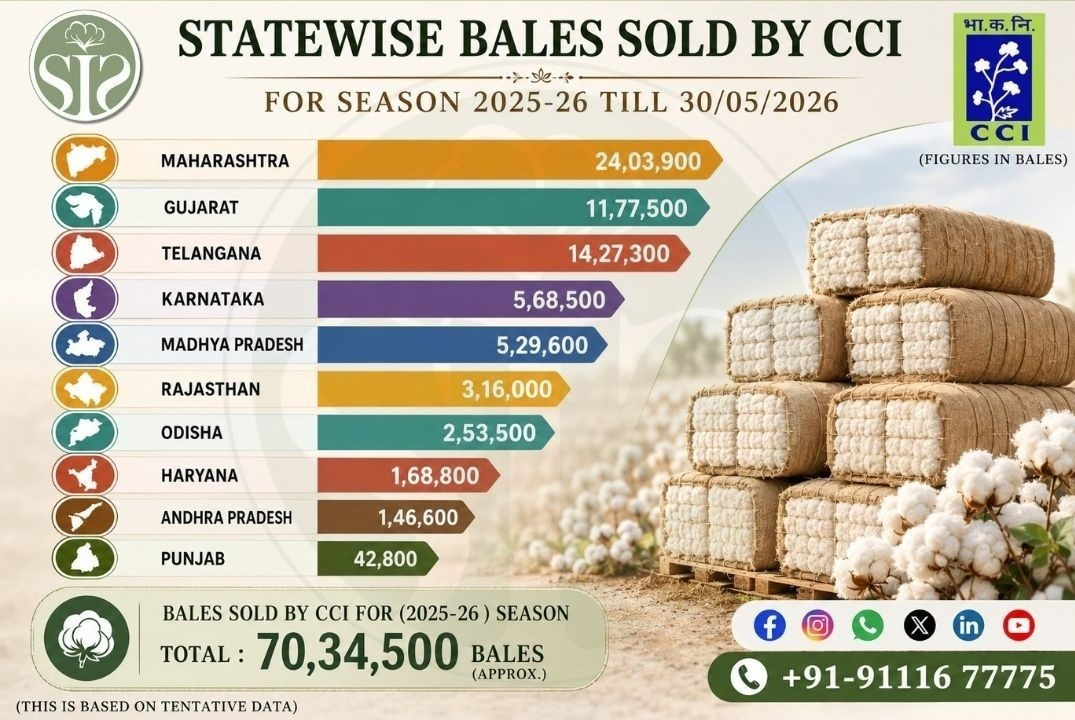
Weekly Summary Report : Cotton Bales Sold by Cotton Corporation of India (CCI)

Weekly Summary Report: Cotton Bales Sold by Cotton Corporation of India (CCI)Cotton Corporation of India (CCI) conducted online bidding for cotton bales throughout the week, with the daily sales summary being as follows:21st April 2025: CCI sold a total of 62,600 bales (2024-25 season), comprising 33,900 bales in Mills session and 28,700 bales in Traders session.22nd April 2025: Total sales stood at 10,500 bales (2024-25 season), comprising 8,600 bales in Mills session and 1,900 bales in Traders session.23rd April 2025: Total 60,900 bales (2024-25 season) were sold, which included 25,300 bales in Mills session and 35,600 bales in Traders session.24th April 2025: Highest sales of the week recorded, with 1,46,700 bales sold - which included 1,46,600 bales (2024-25 season) and 100 bales (2023-24 season). Mills session sales stood at 71,300 bales (2024-25) while Traders session sold 75,300 bales (2024-25) and 100 bales (2023-24).25th April 2025: The week concluded with sales of 1,23,300 bales - 1,23,000 bales (2024-25 season) and 300 bales (2023-24 season). Mills session sales were 52,900 bales (including 300 bales from 2023-24), while Traders session recorded 70,400 bales (2024-25).Weekly Total:During the full week, CCI sold around 4,04,000 cotton bales, successfully using its online bidding platform to streamline sales and facilitate smooth trade operations.Stay tuned with SiS for real-time updates on the textile industry.read more :-Ambitious cotton scheme: 2.2 million hectares in Kharif season

Ambitious cotton scheme: 2.2 million hectares in Kharif season

Ambitious 2.2M Hectare Cotton Plan for Kharif SeasonThe government has set an ambitious target of cultivating cotton on 2.2 million hectares of land during the current Kharif season (2025-26). The initiative aims to meet local demand, as well as contribute to the growth and progress of farming communities across the country.According to an official of the Ministry of National Food Security and Research, the target for cotton production has been set at 10.18 million bales, with a focus on ensuring the availability of certified high-yielding seeds and providing adequate supply of agricultural inputs in key sowing areas.Key points of the scheme:Improved seeds and technology: Farmers will be supported with high-quality seeds, pest-resistant varieties, and modern irrigation techniques.Digital monitoring: Satellite-based monitoring will track crop conditions to provide timely advice.Training and awareness: Farmers will be made aware through training and field demonstrations in local languages.Beneficiary States: Priority has been given to cotton producing states like Maharashtra, Gujarat, Telangana, Andhra Pradesh, Madhya Pradesh and Punjab.Agriculture Ministry's vision:"Our aim is not only to increase production but also to improve quality, stabilize prices and boost exports. Mandi reforms and the e-NAM platform are being expanded to give farmers direct access to markets," the agriculture minister said.Challenges:While the scheme is ambitious, challenges like climate change, pest control, and farmers' technical understanding have to be addressed. The government says a multi-pronged strategy has been prepared to address these issues.read more :-Tech adoption can raise cotton productivity, says SABC study
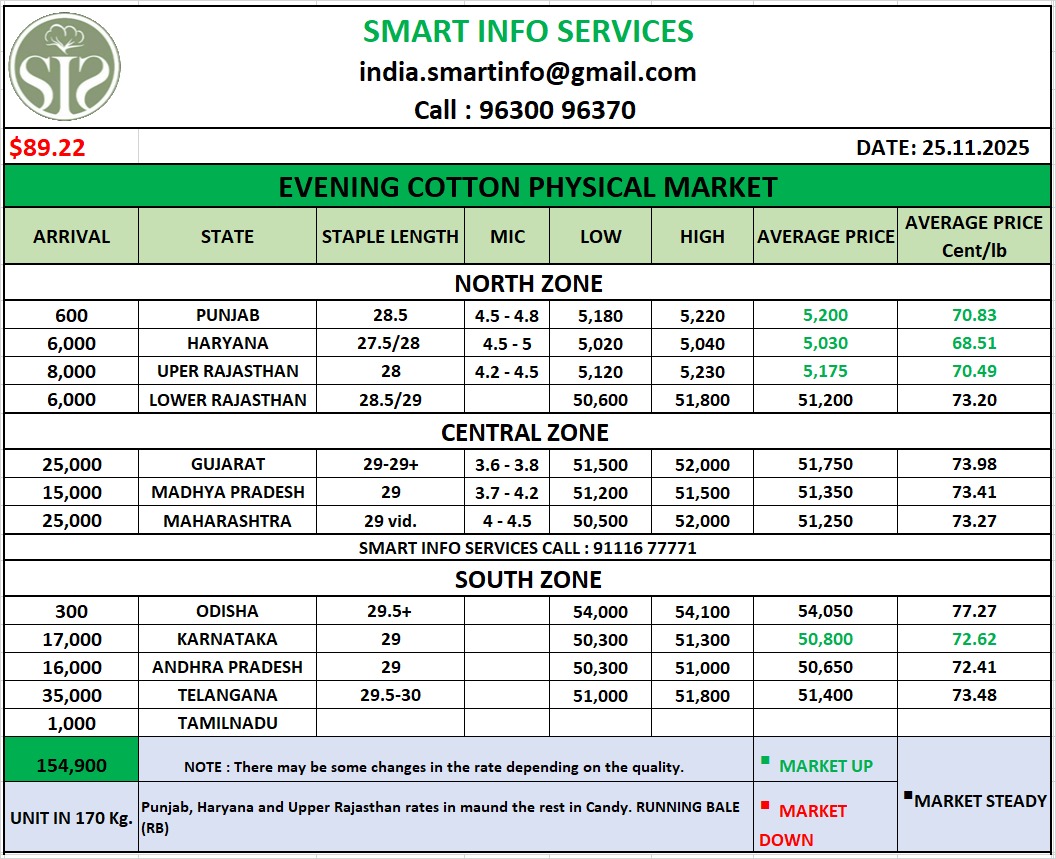
title Created At Action
Indian Rupee Rises 10 Paise to Open at 85.15 Against US Dollar 30-04-2025 17:13:26 view
Rupee Falls 17 Paisa, Closes at 85.25 Against US Dollar 29-04-2025 22:42:56 view
Preparations underway to remove import duty on cotton, farmers may suffer losses due to fall in prices 29-04-2025 18:00:11 view
Rupee opens 5 paise lower at 85.08 against dollar 29-04-2025 17:13:45 view
Rupee higher 26 Paisa Against Dollar, Closes at 85.03 28-04-2025 22:43:24 view
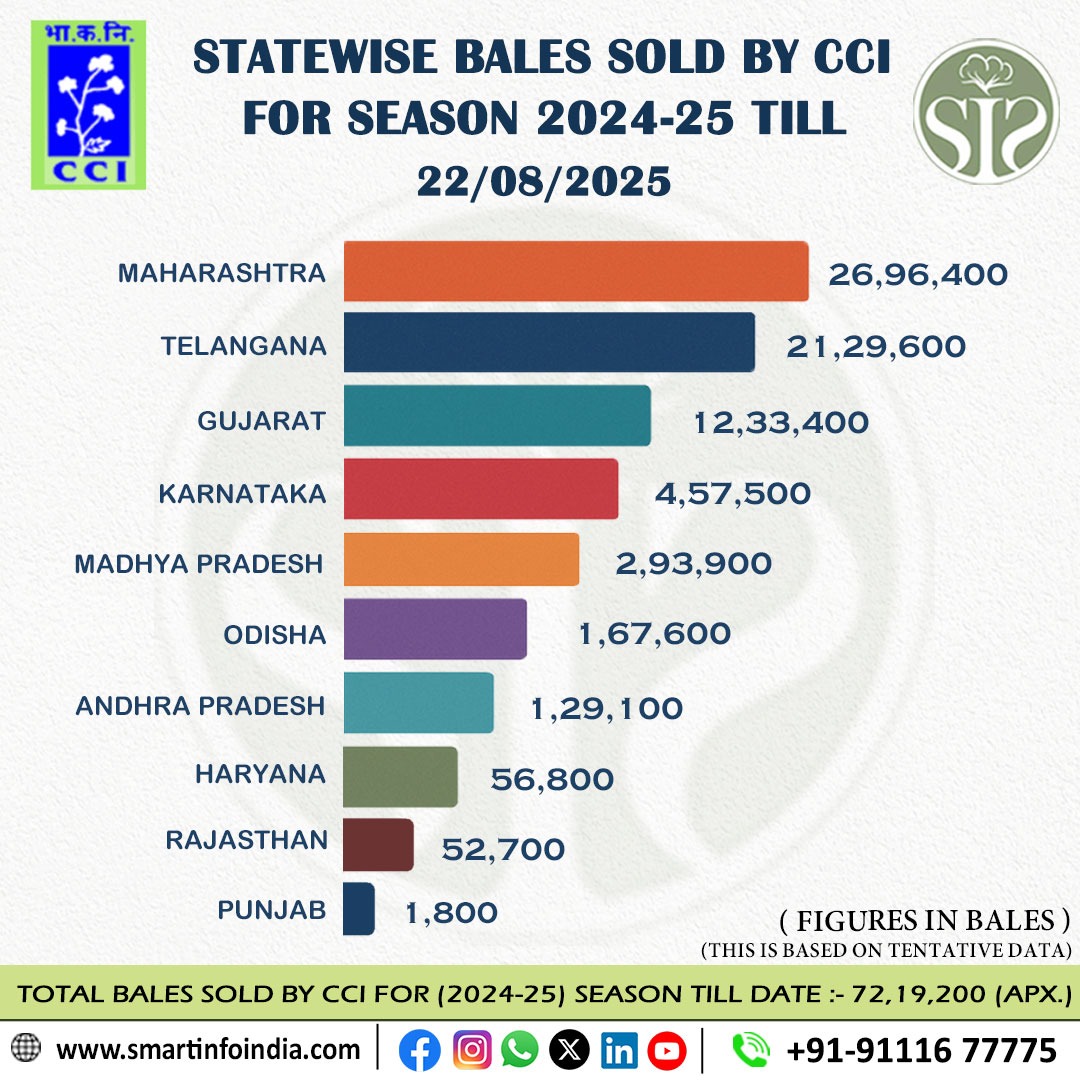
CCI Cotton Sales Update for Season 2024-25. 28-04-2025 19:09:59 view
MP urges PM to allocate textile park to state 28-04-2025 18:20:38 view
Rupee Opens Stronger at 85.29 per Dollar, Gains 15 Paise 28-04-2025 17:12:49 view
Reviving ‘white gold’: How regenerative cotton farming can be a gamechanger in North India 26-04-2025 20:51:55 view
Weekly Summary Report : Cotton Bales Sold by Cotton Corporation of India (CCI) 26-04-2025 19:44:44 view
Ambitious cotton scheme: 2.2 million hectares in Kharif season 26-04-2025 18:24:54 view
Copyright© 2023 | Smart Info Service
Application Download