Filter

Recent News

Centre's Cotton Procurement Surpasses 99.4 Lakh Bales

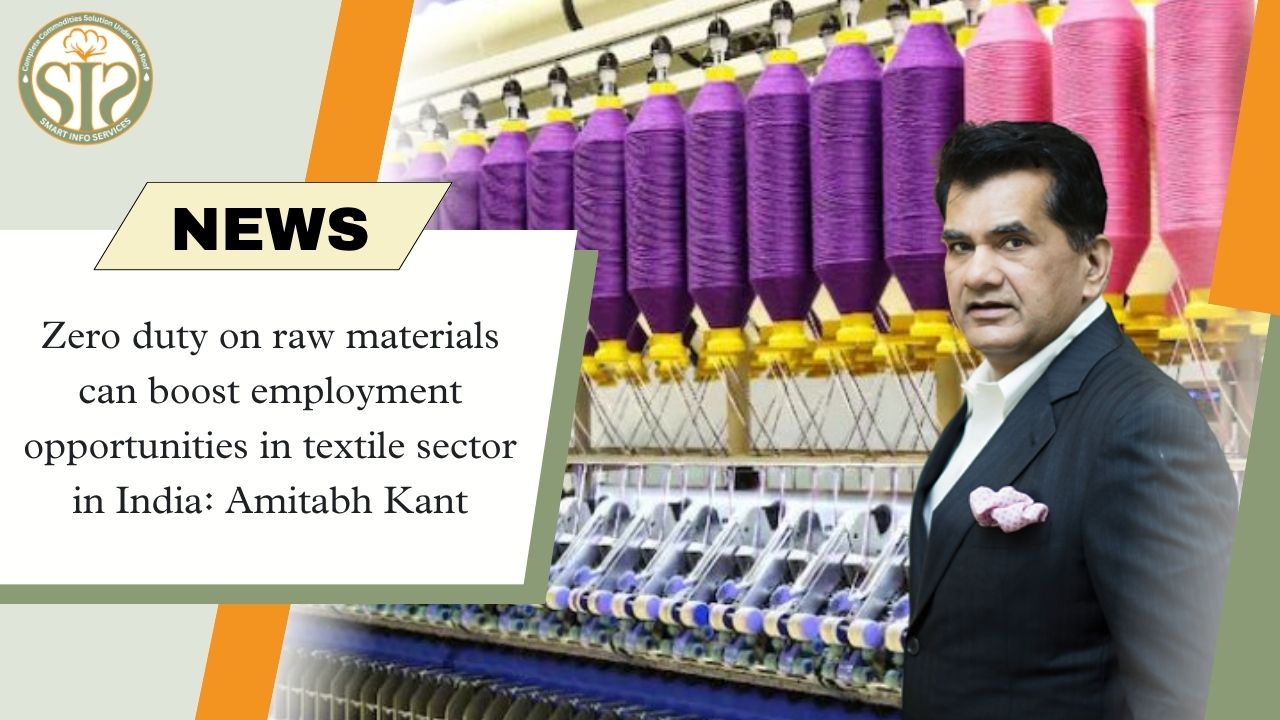
Centre's cotton procurement from farmers exceeds 99.4 lakh bales this seasonThe Centre has procured 99.41 lakh bales of cotton at minimum support price (MSP) directly from farmers till March 25 this year, out of a total arrival of 260.11 lakh bales in the market, Parliament was told on Tuesday.Similarly, the government spent Rs 11,712 crore under MSP operations to procure cotton from farmers during the cotton season 2023-24. Minister of State for Textiles Pabitra Margherita told the Rajya Sabha in a written reply that the Cotton Corporation of India (CCI) supported farmers and procured 32.84 lakh bales under MSP operations, benefiting about 7.25 lakh cotton farmers across all cotton producing states.The government provides MSP to ensure remunerative prices to cotton farmers and protects them from distress selling in any event of prices of fair average quality (FAQ) cotton falling below the MSP. The Minister said that Government procurement can prevent prices from falling below the MSP level.Further, for global branding of Indian textiles, the Government has registered Kasturi Cotton as the Brand Trademark of India, to give a unique identity to premium quality Indian cotton, the Minister said.Support to cotton farmers plays a vital role in promoting the growth of India's textile exports.Listing the Government's efforts to boost textile exports, the Minister said that the global mega textile event Bharat Tex 2025 was successfully organised by Textile Export Promotion Councils (EPCs) in February this year and supported by the Ministry of Textiles, showcasing India's potential as a major textile manufacturing hub covering the entire value chain from raw materials to finished products. The event highlighted the diversity and richness of Indian textiles, emphasizing the industry's manufacturing strength, global competitiveness, as well as its commitment to sustainability and circularity.To popularise Indian textiles in global markets and promote Indian textiles, the government is also implementing various initiatives such as PM Mega Integrated Textile Region and Apparel (PM MITRA) Parks Scheme, which aims to create a modern, integrated, world-class textile infrastructure; Production Linked Incentive (PLI) Scheme focusing on Man-made Fibre (MMF) Fabrics, MMF Apparel and Technical Textiles to promote large-scale manufacturing and enhance competitiveness; National Technical Textiles Mission focusing on research innovation and development, promotion and market development; SAMARTH - Scheme for Capacity Building in Textiles Sector which aims to provide demand driven, placement oriented skilling programmes, the minister said.read more :-Trump Tariff Fears Sink Market, Nifty & Sensex Fall

Cotton Prices Surge: White Gold Reaches Record High

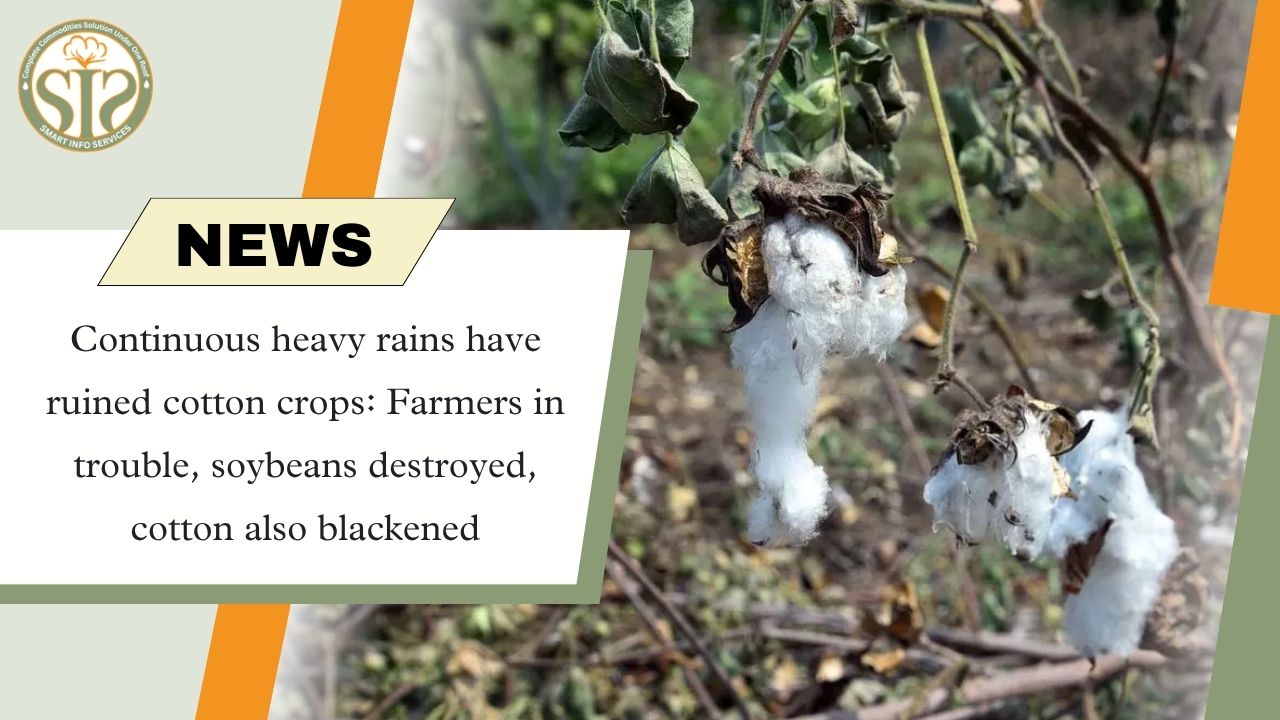
Cotton Market Update: White Gold Rises; Read in detail the highest price achieved in this marketCotton Market: The buying and selling of cotton had started from November. Meanwhile, farmers felt that prices would increase sooner or later. However, there has been no increase in prices even after the end of February. However, cotton has been getting good prices since mid-March.However, cotton prices have been rising steadily since mid-March and on Monday, prices in the private market reached the season's highest level of Rs 7,930 per quintal.After selling cotton, farmers are expressing displeasure over the price hike. Last year, after the monsoon arrived on time, farmers had completed Kharif sowing by the end of June. Then, after satisfactory rains, the cotton crop bloomed in full.To get good yield, farmers also cultivate by spraying chemical fertilizers and pesticides. However, cotton and soybean crops suffered the most in the Kharif season due to heavy rains in August and September.The cotton crop had turned yellow due to waterlogging in the fields for several days. As a result, only one cotton plant was produced in two harvestings. Initially, as the price of cotton was getting very low in the private market, the farmers sold cotton to CCI at a guaranteed price of Rs 7,521.CCI closed the center after buying 3 lakh 91 thousand quintals of cotton till March 15. However, cotton prices have been rising continuously since mid-March. Cotton procurement is going on in the private market of the city. On Monday, the price of cotton reached the season's highest level of Rs 7,930 per quintal. Most of the farmers have initially sold cotton at CCI centers.However, farmers who kept it at home in the hope of rising cotton prices are seen benefiting from the price rise. Meanwhile, the arrival of cotton in the private market has increased due to the daily increase in cotton prices in the month of March. Farmers are expressing some satisfaction over the recent increase in cotton prices.Price rise after saleAt the beginning of the season, cotton prices ranged from Rs 7,200 to Rs 7,300. By the end of March, cotton prices increased significantly. On Monday, the price of cotton reached Rs 7,930 and is heading towards the Rs 8,000 mark. However, there is discontent over the rise in prices after the sale of cotton.read more :-Farmers Shift Focus: From Cotton to New Crops

Farmers Shift Focus: From Cotton to New Crops

Cotton cultivation area may decrease, now farmers are turning towards these crops, know everythingUSDA India Post has released a report. In this, a forecast has been made about Indian crops. According to this, India's cotton acreage for the market year (MY) 2025-26 may be 11.4 million hectares, which is three percent less than last year. Cotton acreage for MY 2024-25 was 11.8 million hectares. The report claims that the main reason for the reduction in cotton acreage is the farmers turning to other crops. A large number of farmers cultivating cotton are now turning to more profitable crops like pulses and oilseeds.Acreage decreased, but good yieldEven though the cotton acreage has decreased, due to higher yield, production is expected to remain at 25 million bales of 480 pounds, which is the same as the current year. Based on the expectation of a normal monsoon season, the USDA Post has projected an average yield of 477 kg per hectare for fiscal year 2025/26, which is three per cent higher than the official estimate of 461 kg per hectare for fiscal year 2024/25, due to production in areas with adequate irrigation facilities and water availability.The USDA Post said that the area planted in Punjab is projected to remain stable, while it will decrease by five per cent in Haryana due to a shift to paddy cultivation. Yields are expected to fall slightly in both states, as farmers are diverting water to other crops. The area planted in Rajasthan is expected to be two per cent lower than the previous year, as farmers are shifting to crops such as guar, maize and pulses (moong) due to anticipated higher prices. However, better pest management practices are likely to lead to higher yields.What do the data from other states say?In Gujarat, the largest producer state, acreage is expected to decline by three per cent compared to last year, as farmers are shifting towards pulses, groundnut, cumin and sesame. Though current domestic farmgate prices for cotton have seen less decline than other commodities, its production cost is significantly higher, he said. Besides a short period of rise, strong government support and export demand have made pulses and groundnut the preferred crops this season in Gujarat.In Maharashtra, acreage sown is expected to remain the same as last year as farmers dissatisfied with low soybean prices in the current season may consider cultivating tur (tur) and maize due to better profitability. Madhya Pradesh is estimated to decline by five per cent, as farmers are shifting towards oilseeds and pulses.In the south, strong government incentive schemes for ethanol production may cause farmers to switch acreage from cotton to maize and rice cultivation in the southern states of Telangana, Karnataka, Andhra Pradesh and Tamil Nadu, resulting in an estimated reduction of seven per cent compared to last year.Also knowThe USDA Post estimates that mill consumption in fiscal year 2025/26 will be 25.7 million bales of 480 pounds, up by about 0.8 per cent from last year, as demand for yarn and textiles remains stable in key international markets.Exports for fiscal year 2025/26 are estimated at 1.5 million (480-pound) bales, up seven per cent from last year, as stocks are very high. The continued devaluation of the rupee may provide opportunities for increased exports of cotton and cotton products. Cotton imports for fiscal year 2025/26 are estimated at 2.5 million bales, down four per cent from last year. Indian mills will continue to rely on imports to meet the inadequate domestic supply of machine-picked contamination-free fibre. Further, USDA post estimates that consumption of Extra Long Staple (ELS) cotton will increase in FY 2025/26 due to improved demand in the international market.Mills are dependent on imported supplies mainly from the US to meet consumption needs. The United States, Egypt and Israel are the major suppliers of the ELS variety, and imports from the United States maintain an average market share of 50 per cent of total imports.More than 47 per cent of US exports to India by value is ELS cotton, and 90 per cent of imported US fibre is re-exported as contamination-free yarn and fabric. In India, ELS cotton is grown in about 2 lakh hectares in central and southern India, mainly under DCH-32 and MCU-5 hybrids. Increasing production remains challenging due to low yields, high production costs and increased susceptibility to sucking pests and bollworms.read more :-India's Cotton Industry Struggles: Aversion to Science & Technology

India's Cotton Industry Struggles: Aversion to Science & Technology

Why India lagged behind in the cotton race – Aversion to science and technologyIn 1853, Karl Marx famously wrote about how British rule had “broken the Indian handloom and destroyed the spinning wheel”, priced its textiles out of the European market, “brought the twist to Hindustan” and finally “flooded the motherland of cotton with cotton”. Something similar has happened to Indian cotton over the past decade or so. However, in this case it was not due to some grand imperialist scheme, but due to pure domestic policy paralysis and ineptitude.Consider the following: Between 2002-03 and 2013-14, India’s cotton production nearly tripled from 13.6 million to 39.8 million bales (MB; 1 bale = 170 kg). During the three marketing years (October-September) ending 2002-03, its average imports were 2.2 mb which was not even 0.1 mb more than exports. This changed completely in the three years ending 2013-14, with imports falling by half to 1.1 mb and exports increasing a hundredfold to 11.6 mb. India’s production is projected to be 29.5 mb in 2024-25, the lowest since 29 mb in 2008-09. Also, imports at 3 mb will surpass exports of 1.7 mb. In short, we have become a net importer of the natural fibre. A country that had become the world’s No. 1 producer in 2015-16 and the second-largest exporter to the US by 2011-12 is today “inundated” by American, Australian, Egyptian and Brazilian cotton. How did India become a major producer and exporter of cotton? The answer is technology. India has some of the best cotton breeders.This tradition of openness to new technologies and breeding innovations also enabled the commercialisation of genetically modified (GM) Bt cotton hybrids in India. The first of these – incorporating genes isolated from the soil bacterium, Bacillus thuringiensis, producing a protein toxic to the deadly American bollworm pest – was planted from the 2002-03 crop season. This was followed four years later by second-generation GM hybrids based on Bollgard-II technology, deploying two Bt genes to provide protection against the Spodoptera cotton leafworm pest.The widespread adoption of Bt cotton – covering nearly 95 per cent of the country’s total 12 million hectares of cotton cultivation by 2013-14 – led to a second revolution of the fibre: if H-4, Varalakshmi and other hybrids helped double the national average lint yield from 127 kg to 302 kg per hectare between 1970-71 and 2002-03, Bollgard raised it to 566 kg by 2013-14.It is not just cotton or Monsanto-Bayer’s GM technologies that are suffering. Other GM crops and even indigenously developed transgenic crops — from Delhi University’s hybrid mustard and cotton claimed to have higher levels of Bt “Cry1Ac” protein expression than Bollgard, to the Lucknow-based National Botanical Research Institute’s whitefly and pink bollworm resistant cotton — have struggled to cross regulatory hurdles, ostensibly designed to protect the country’s agriculture from “risks” posed by their release.read more :-Weekly Cotton Bale Sales Report - CCI
India Proposes Lower Tariffs on US Farm Imports by April 2

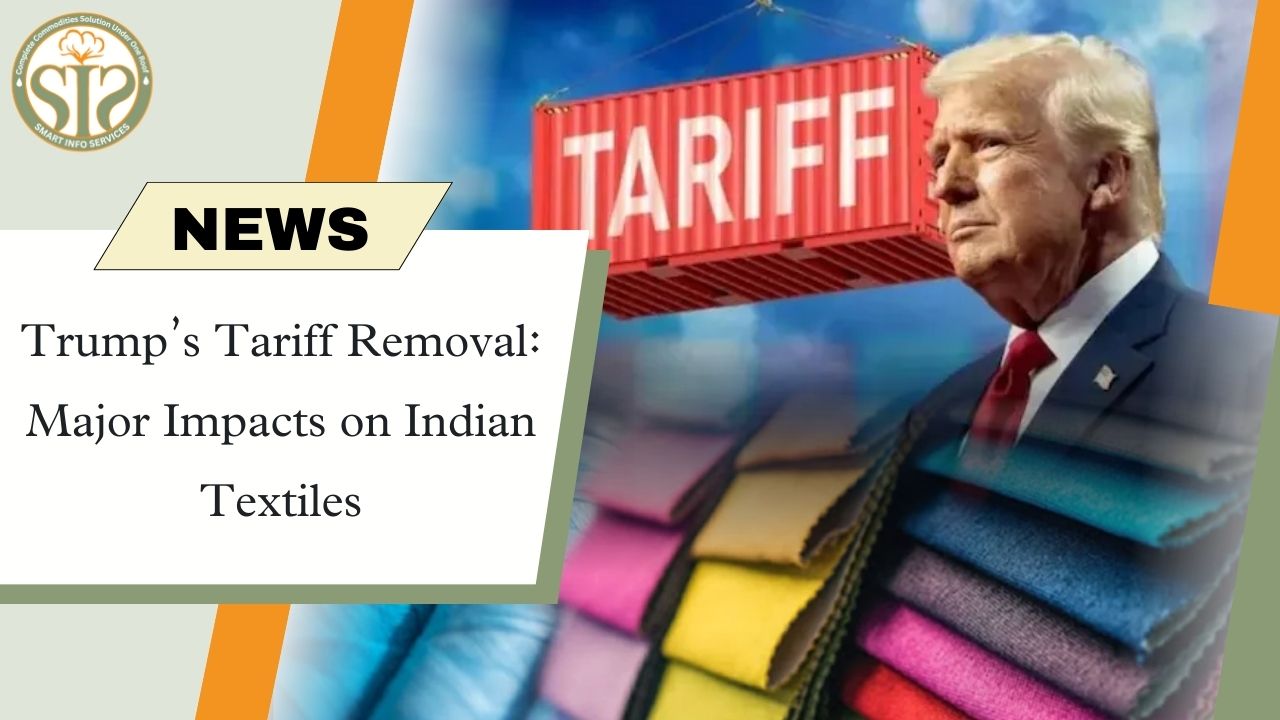
India proposes tariff cuts on US farm imports as April 2 deadline looms In a new development amid US President Donald Trump’s reciprocal tariff threats, India has offered to lower tariffs on import of US farm products like almonds and cranberries, two government sources told Reuters. India agreed upon the tariff cuts on bourbon whiskey and agricultural products such as almonds, walnuts, cranberries, pistachios and lentils in a meeting with Brendan Lynch, the assistant US trade representative for South and Central Asia, a source familiar with the discussion said. Regarding the trade talks, Minister of Commerce and Industry Piyush Goyal on Thursday, March 27, said that the trade talks are “progressing well”, and a bilateral trade pact is still in progress. However, the Ministry of Commerce and Industry did not comment on the latest development, while the embassy spokesperson in New Delhi said, “We don’t have anything to share on private diplomatic discussions,” reported Reuters.Unlike many other nations, India has been on the front foot to negotiate tariff cuts and is open to cuts on over half of US imports worth $23 billion, Reuters reported earlier this week. Last month, Goyal also said that the two countries can offer concessions and duty reductions, as their economies complement each other. “We complement each other, we can give mutual concessions to each other, tariff reductions and make it easier to export and import between the two countries,” he said, adding, “We have started working on different ideas, engaging with different stakeholders within and outside the government and preparing ourselves for discussions, (which) we hope we will start soon.” In February, India also slashed the custom duty on bourbon whiskey from 150 per cent to 100 per cent. With the bilateral talks, further adjustment in tariffs can be expected soon. Notably, while Trump has consistently maintained that India’s high tariffs preclude special treatment, he has softened his stance over the past few days. Without naming any country, Trump said that a lot of countries will be given a break on April 2. He has also said that tariffs will likely be more “lenient than reciprocal”.read more :-Govt Sets Bt Cotton Seed Price for 2025-26

PAU Tests New Pink Bollworm-Resistant Cotton Seed

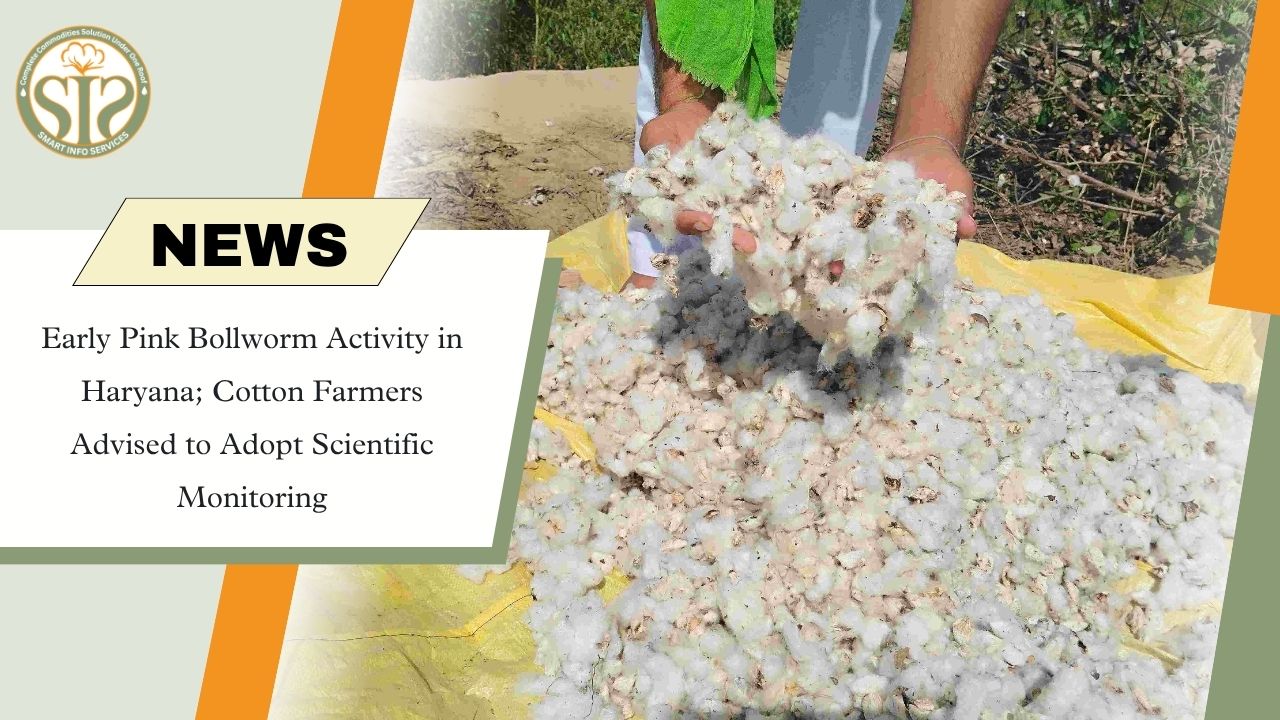
PAU holds field trials to approve new pink bollworm-resistant cotton seedPunjab Agricultural University (PAU) will soon undertake the second round of field trials for pink bollworm-resistant (PBW) genetically modified (GM) cotton in the forthcoming kharif seasons, giving hope to scores of cotton growers facing economic crisis due to repeated crop loss due to pest attacks in the last few years.Scientists at the Bathinda-based regional research station (RRS) of the PAU are engaged in field trials that started last year at undisclosed locations.Strict confidentiality is being maintained to ensure that a genetically engineered seed is sown in confined and controlled conditions and is not exposed to other flora.In 2024, PAU started testing the seeds of Bioseed Research Limited, a Hyderabad-based company of DCM Shriram Group, to examine its defence against the PBW, locally known as gulabi sundi. The pest feeds on the reproductive parts of cotton plants, where the fibre is produced, reducing the yield and quality of the crop.Experts clarified that the outcome of the GM cotton crop trials would take at least three years before the central authorities take a final call for commercial availability of the hybrid.Trials for GM seeds are conducted after approval of the Genetic Engineering Approval Committee (GEAC), a central agency, and a nod from the state government.PAU vice-chancellor Prof Satbir Singh Gosal had earlier confirmed to HT about the Bollgard-III trials being conducted on behalf of the GEAC.Bollgard, a Bt cotton hybrid, was developed by Monsanto more than a decade ago, having a remarkable resistance to pests.In 2002, GEAC approved the use of a genetically modified variety of cotton, the Bt cotton, to combat this pest. However, by 2009, the bollworm began to develop resistance to a toxic protein present in cotton.Crop breeder at RRS, Bathinda, Paramjit Singh, who is leading the trials, said on Thursday, that the ongoing project is significant as the pink bollworm is considered to be one of the most destructive pests of cotton crop worldwide and is a major problem for the cotton industry in India, including Punjab, refusing to disclose the outcomes of the first year’s trials of Bioseed citing protocols.“The deteriorating farm situation warranted the need for continued research in the field of GM cotton. Several institutions are working to develop GM seeds to combat the pink bollworm. During the field trials, our team of researchers evaluated different parameters of the crop, including assessing damages from bollworm infestation, seed cotton yield, along with safety of the crop from mice and rabbits. The team is also studying the impact of the crop on soil microorganisms and fauna and assessing if the crop has any impact on other unrelated organisms in the ecosystem,” Paramjit said who played a crucial role in the development of the Bt1 cotton variety by PAU after a patent held by a corporate seed company ceased in 2016.“Field trials of GM crops have strict rules where only authorised persons have access to the areas of tests. During the experiment of the pink bollworm-resistant seeds in 2024, no cotton was grown in the vicinity of the spot where the GM cotton crop was grown. Approval for trials is required to be renewed every year from the GEAC and sanctioned from a panel of the state government where every detail is recorded for review by the experts,” he added.read more :-Rupee opened 12 paise higher at 85.66

Copyright© 2023 | Smart Info Service
Application Download