Filter

Recent News

Area Under Cotton in North India Drops by 6 Lakh Hectares, Punjab’s Dip Sharpest

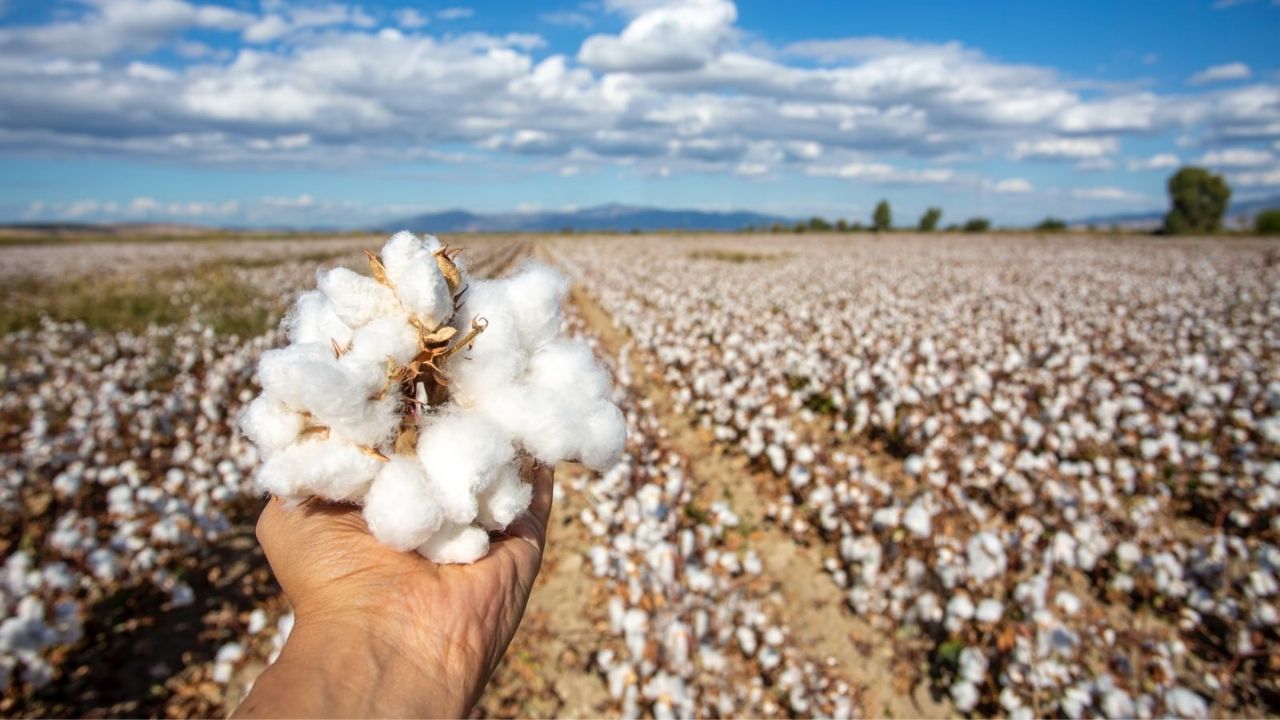
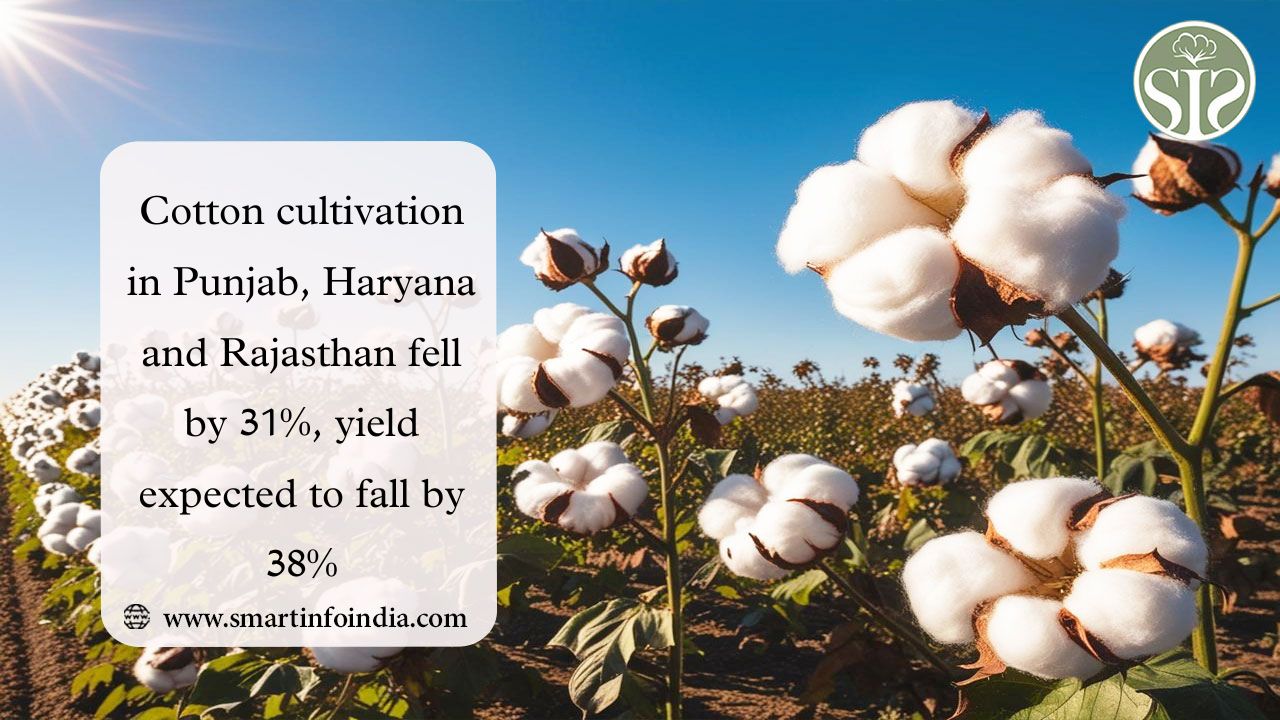
North India's Cotton Area Drops by 6 Lakh Hectares, with Punjab Seeing the Deepest DipFarmers in North India, especially in Punjab, Haryana, and Rajasthan, are increasingly switching from cotton to paddy due to pest attacks and water issues. Harpal Singh, a farmer from Burj Kalan in Mansa district, reduced his cotton cultivation from 5 acres to 2 acres, opting for paddy due to frequent pest problems. Similarly, Satpal Singh from the same village transitioned all 3.5 acres of his land to paddy for a more guaranteed market.In Fazilka district, Talwinder Singh faced a pink bollworm attack on his 5 acres of cotton and has already replanted 1 acre with the PR 126 variety of paddy, which matures quickly. This trend of shifting from cotton to paddy is widespread in the Malwa region of Punjab, driven by pest infestations and unreliable water sources.As of early July, the total area under cotton in Punjab, Haryana, and Rajasthan has dropped to 10.23 lakh hectares from 16 lakh hectares last year. In Punjab, the cotton area fell drastically to 97,000 hectares, a sharp decline from up to 7.58 lakh hectares in the 1980s and 1990s. Similarly, Rajasthan's cotton area reduced from 8.35 lakh hectares last year to 4.75 lakh hectares this year, and Haryana's from 5.75 lakh hectares to 4.50 lakh hectares.Specific districts in Punjab have seen significant reductions: Fazilka's cotton area decreased to 50,341 hectares from 92,000 hectares last year, Muktsar to 9,830 hectares from 19,000 hectares, Bathinda to 13,000 hectares from 28,000 hectares, and Mansa to 22,502 hectares from 40,250 hectares.Pest attacks by pink bollworm and whitefly, coupled with water availability issues, are major factors behind this shift. Pink bollworm damages the cotton lint and seeds, while whiteflies feed on the sap of the leaves. With better water availability, farmers prefer paddy, which has a guaranteed market and is largely free from pest attacks.Bhagirath Choudhary, founder director of the South Asia Biotechnology Centre (SABC), attributes this shift primarily to the pink bollworm infestation. He notes that Punjab's cotton area is now below 1 lakh hectares, and farmers lack awareness and control mechanisms for the pest. The state government's inadequate efforts to educate farmers have also contributed to the decline in cotton cultivation.Harpinder Singh of Jhurarkhera village in Abohar highlighted ongoing pest concerns and insufficient canal water for paddy. Sukhmander Singh, president of BKU Rajewal in Fazilka, criticized the poor quality of BT2 cotton seeds provided by the government. Darshan Singh of Giddranwali village and Ram Singh of Bhainibagha village have also switched to growing paddy and guar (cluster bean) respectively, citing better market prospects and water availability.The reduction in cotton cultivation and the shift to other crops reflect the challenges faced by North Indian farmers, including pest attacks and water scarcityRead more :- Tirupur Textile Hub Rebounds in 2024

Better monsoon brings smiles on farmers' faces, bumper yield of Kharif crop expected

Farmers are happy with the improved rainfall, and a bumper output of the Kharif crop is anticipated.Better monsoon has brought happiness back on farmers' faces. According to the latest data from the Ministry of Agriculture, due to better monsoon this year, the total area under sowing of Kharif crops has increased by 10.3 percent to 575 lakh hectares, while last year by this time, sowing was done in 521.25 lakh hectares. Some areas remained dry due to irregular rains. This time bumper yield is expected due to increase in sowing area, which will increase the income of farmers and increase demand in rural areas. This is a positive sign for the Indian economy.Increase in cultivation of pulses and oilseedsThis Kharif season, the area under cultivation of pulses has increased to 62.32 lakh hectares, which is 26 percent more than last year. Oilseed cultivation has also increased to 140.43 lakh hectares, while last year it was 115.08 lakh hectares. Increasing the cultivation of pulses and oilseeds is a positive step, as the production of these commodities is often less than the demand, which leads to rising prices.Expectation of reduction in prices and importsIncreasing the area of cultivation of pulses and oilseeds will help in controlling the prices of pulses and oil, which will provide relief to the common people. Currently, to meet the demand of pulses and oil in the country, one has to resort to expensive imports, which leads to expenditure of foreign exchange and there is a risk of weakening of the rupee. Increasing production in the country will reduce the need for imports and pulses and oil will be available at cheaper prices.Read More :> Indian farmers rush to plant summer crops after monsoon revives

Indian farmers rush to plant summer crops after monsoon revives

As soon as the monsoon returns, Indian farmers hurry to plant summer crops.Indian farmers have rushed to plant summer crops such as paddy, soybean, cotton and maize following above-average monsoon rains in July after a poor June spell, according to government data.Monsoon rains, crucial for India's economic growth, normally begin in southern India around June 1 and spread across the country by July 8, allowing farmers to plant summer crops. However, June received 11% less rain than average, delaying sowing.According to the Ministry of Agriculture and Farmers Welfare, the first fortnight of July received 9% more rain than normal, helping farmers plant summer crops on 57.5 million hectares (142 million acres) by July 12, a tenth more than last year.Farmers have sown paddy on 11.6 million hectares, 20.7% more than the same period last year. Higher rice sowing could ease the country's supply concerns. Higher rice purchases by government agencies from last season's crop and an expansion in paddy acreage could allow the government to ease restrictions on rice exports in October, a New Delhi-based dealer said.Farmers sowed oilseeds, including soybeans, on 14 million hectares of land, compared with 11.5 million hectares a year earlier. Maize sowing was on 5.88 million hectares, up from 4.38 million hectares a year earlier. Cotton acreage rose slightly to 9.6 million hectares, while sowing of pulses rose 26% to 6.23 million hectares from a year earlier.Read more :- Indian Spinning Mills Turn Cautious as Cotton Season Nears End

Recovery in Domestic Cotton Yarn Demand Expected in FY25: ICRA

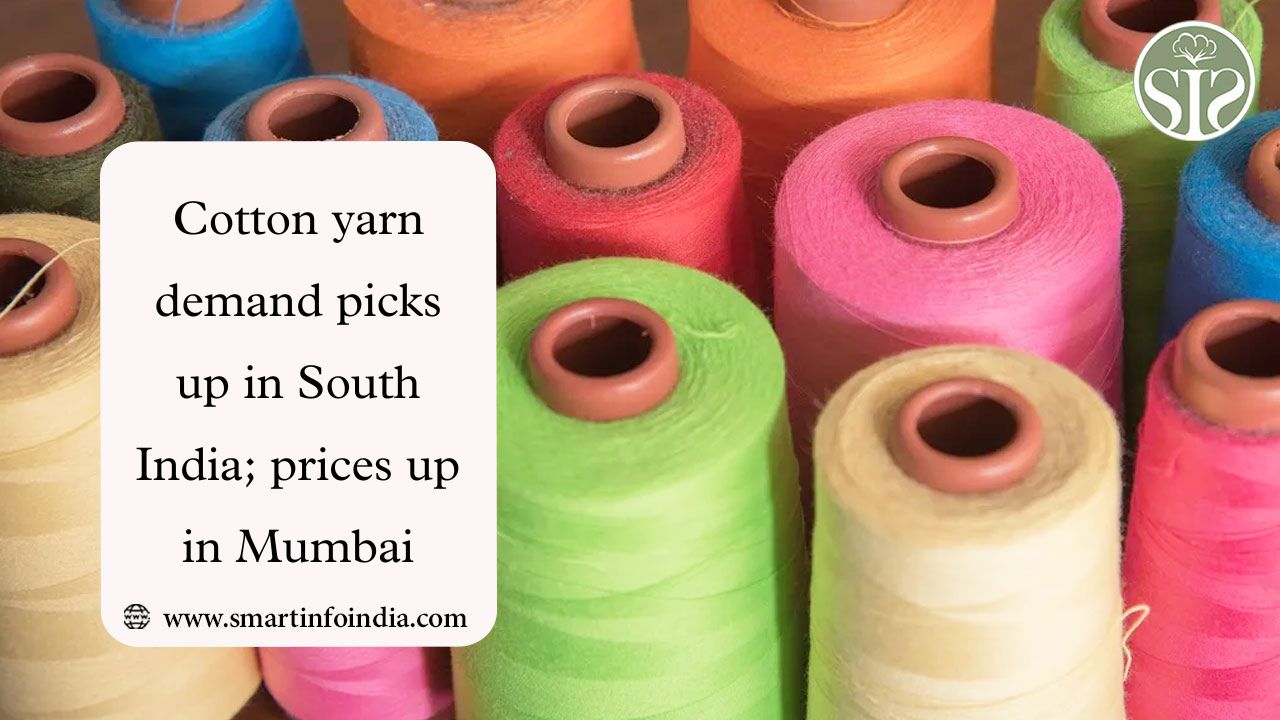
recovery-in-domestic-cotton-yarn-demand-expected-in-fy25-icraICRA projects a 6-8% growth for the domestic cotton spinning industry in FY2025, driven by 4-6% volume growth and slight realization gains, following two years of decline. Recovery signs are visible in downstream segments like readymade garments and home textiles, while exports, which rebounded in FY2024, are expected to normalize despite global demand challenges.Domestic cotton prices, which peaked at Rs. 284 per kg in H1 FY2023, have declined over the past two years but are expected to rise slightly with demand recovery and reduced sown area. Cotton yarn prices, declining since June 2022, are also expected to increase marginally in FY2025.K Srikumar, Senior Vice President at ICRA, predicts a 6-8% improvement in operating income for cotton spinning companies in FY2025, with gross contribution margins recovering by 5% in Q1 FY2025. Operating profit margins are expected to expand by 100-150 basis points due to scale benefits and cost-saving measures.High debt-funded capex in FY2023 impacted the industry's coverage metrics, but a marginal capex increase is anticipated in FY2025 for modernization and increased demand from the China Plus One strategy. Leverage levels rose in FY2024 but are expected to decrease with better cash accruals and minimal capex spending, improving debt protection metrics. The total debt to operating profit ratio is expected to improve to 2.5-3.0 times from 3.5-4.0 times in FY2024.Read More :>  Indian Spinning Mills Turn Cautious as Cotton Season Nears End

Indian Spinning Mills Turn Cautious as Cotton Season Nears End

Indian Spinning Mills Turn Cautious as Cotton Season Nears EndSpinning mills in India are exercising caution in purchasing cotton as the current season approaches its end, aiming to avoid liquidity issues.“Being the end of the cotton season and liquidity issues in the overall market, mills want to be careful in cotton purchases. Man-made and cellulosic fibre penetration has also helped mills to reduce their exposure to cotton,” said Prabhu Dhamodharan, Convenor, India Texpreneurs Federation (ITF).Despite the Cotton Corporation of India's (CCI) substantial stock of over 20 lakh bales, prices quoted by CCI remain a dampener due to slack demand, according to Ramanuj Das Boob, vice president of the All India Cotton Brokers Association.“If traders buy cotton from CCI and resell it to mills on credit, the economy doesn’t work out. So, they are also silent,” he said.The lack of demand for yarn and declining prices are hurdles for the textile industry, according to Rajkot-based cotton trader Anand Popat. Bearish speculators on the InterContinental Exchange (ICE) also contribute to the dull trading despite strong fundamentals.Cotton prices have dropped over 10% since the beginning of 2024. The US Department of Agriculture’s Economic Research Service forecasts a decline in global cotton prices for the third consecutive year in 2024-25. Global production is expected to increase by nearly 5%, with significant contributions from Brazil and the US offsetting expected losses in China, India, and Pakistan.The government has increased the minimum support price (MSP) of cotton for the current crop year to ₹7,121 per quintal from ₹6,620 last year, prompting some mills to resume buying. CCI has sold around 3-4 lakh bales following the MSP hike.Cotton yarn exports have stabilized at 9-10 crore kg per month, with consistent buying from Bangladesh and Europe expected to continue.Read More :> Bangladesh and Vietnam Poised to Lead Global Cotton Consumption Growth Over Next Decade

Bangladesh and Vietnam Poised to Lead Global Cotton Consumption Growth Over Next Decade

Bangladesh and Vietnam Poised to Lead Global Cotton Consumption Growth Over Next DecadeBangladesh and Vietnam are set to lead the global growth in cotton consumption and trade over the next decade, thanks to their competitive labor and production costs, according to the OECD-FAO Agricultural Outlook 2024-2033.Key Highlights- Growth in Cotton Consumption: Global cotton consumption is expected to increase by 1.7% annually, driven by population growth and rising incomes in middle- and low-income countries.- Bangladesh and Vietnam: Both countries will see their cotton imports grow by over 3% annually, significantly influencing global trade. Bangladesh's mill consumption is projected to rise to 2.42 million tonnes by 2033.- Global Trade Dynamics: World cotton trade is forecast to expand by 2.1% annually, reaching 12.4 million tonnes by 2033, largely due to increased mill use in Bangladesh and Vietnam.- Major Producers: India, the United States, and Brazil will contribute significantly to the global cotton production increase, which is projected to reach 29 million tonnes by 2033.- Impact of FTAs: Free Trade Agreements, such as the Comprehensive and Progressive Agreement for Trans-Pacific Partnership and the EU-Vietnam Free Trade Agreement, have facilitated market access for Vietnamese textile exports.- Shift in Textile Industry: While synthetic fibers have gained market share, natural fiber consumption, including cotton, peaked at 26.5 million tonnes in 2007 but has since declined.- Bangladesh's Cotton Industry: Bangladesh primarily manufactures cotton-based garments, with 75% of its readymade garments for export made from cotton.The report underscores the critical role of Bangladesh and Vietnam in the global cotton market and highlights the importance of fresh seeds and sustainable practices to address frequent pest attacks and enhance yields.Read More :> Cotton Under Pink Bollworm Attack in Mansa, Fazilka, and Abohar; Farmers Worried




Related News

Youtube Videos

कपास बाज़ार साप्ताहिक रिपोर्ट 🔥 | तेजी या मंदी? | CCI Update | Cotton Market Today
कपास बाज़ार साप्ताहिक रिपोर्ट 🔥 | तेजी या मंदी? | CCI Updat...
कैसा रहा आज का कपास बाज़ार? 😱 | Cotton Market Rate Today | 26 June 2026
कैसा रहा आज का कपास बाज़ार? 😱 | Cotton Market Rate Today |...
जानिए आज का कपास बाज़ार 🔥 | तेलंगाना कपास बुआई | Cotton Market Rate Today
जानिए आज का कपास बाज़ार 🔥 | तेलंगाना कपास बुआई | Cotton Mar...
राजस्थान कपास बुआई + रुई बाजार भाव 🔥 | Cotton Market Rate Today | 24 June 2026
राजस्थान कपास बुआई + रुई बाजार भाव 🔥 | Cotton Market Rate T...
कपास बाज़ार में आज क्या हुआ? 😱 Cotton Market Rate 23 June 2026
कपास बाज़ार में आज क्या हुआ? 😱 Cotton Market Rate 23 June 2...
ऐसा रहा आज कपास बाज़ार😱🔥Cotton market rate today #youtube
रुई बाजार में तेजी! 🚨 CCI की रिकॉर्ड बिक्री | पूरे भारत की कपास बुवाई रिपोर्ट | Cotton Market Update
रुई बाजार में तेजी! 🚨 CCI की रिकॉर्ड बिक्री | पूरे भारत की...
CCI Update: आज कितनी रुई गठानें बिकीं? 😱 | Cotton market price today  #youtube
CCI Update: आज कितनी रुई गठानें बिकीं? 😱 | Cotton market pr...
आज का कपास बाजार भाव LIVE 🤔| CCI बिक्री अपडेट, राज्यवार मंडी भाव और Cotton Rate Today #kapas #rates
आज का कपास बाजार भाव LIVE 🤔| CCI बिक्री अपडेट, राज्यवार मंड...
ऐसा रहा आज का कपास बाज़ार || cotton market price update #youtube #cottonmarket #kapas
ऐसा रहा आज का कपास बाज़ार || cotton market price update #yout...
🚨 सम्पूर्ण भारत की बुआई रिपोर्ट 2026-27😱आज का कपास बाज़ार #youtube
🚨 सम्पूर्ण भारत की बुआई रिपोर्ट 2026-27😱आज का कपास बाज़ार #...
गुजरात में कपास बुवाई ने पकड़ी रफ्तार! 😱 Cotton market rate today #youtube
गुजरात में कपास बुवाई ने पकड़ी रफ्तार! 😱 Cotton market rate...
कपास बाज़ार में गिरावट का सिलसिला जारी 😱Weekly Cotton Market #youtube
कपास बाज़ार में गिरावट का सिलसिला जारी 😱Weekly Cotton Market...
जानिए आज का कपास बाज़ार 😨 Cotton market rate today #youtube
All India cotton market rate
Copyright© 2023 | Smart Info Service
Application Download