Cotton Under Pink Bollworm Attack in Mansa, Fazilka, and Abohar; Farmers Worried
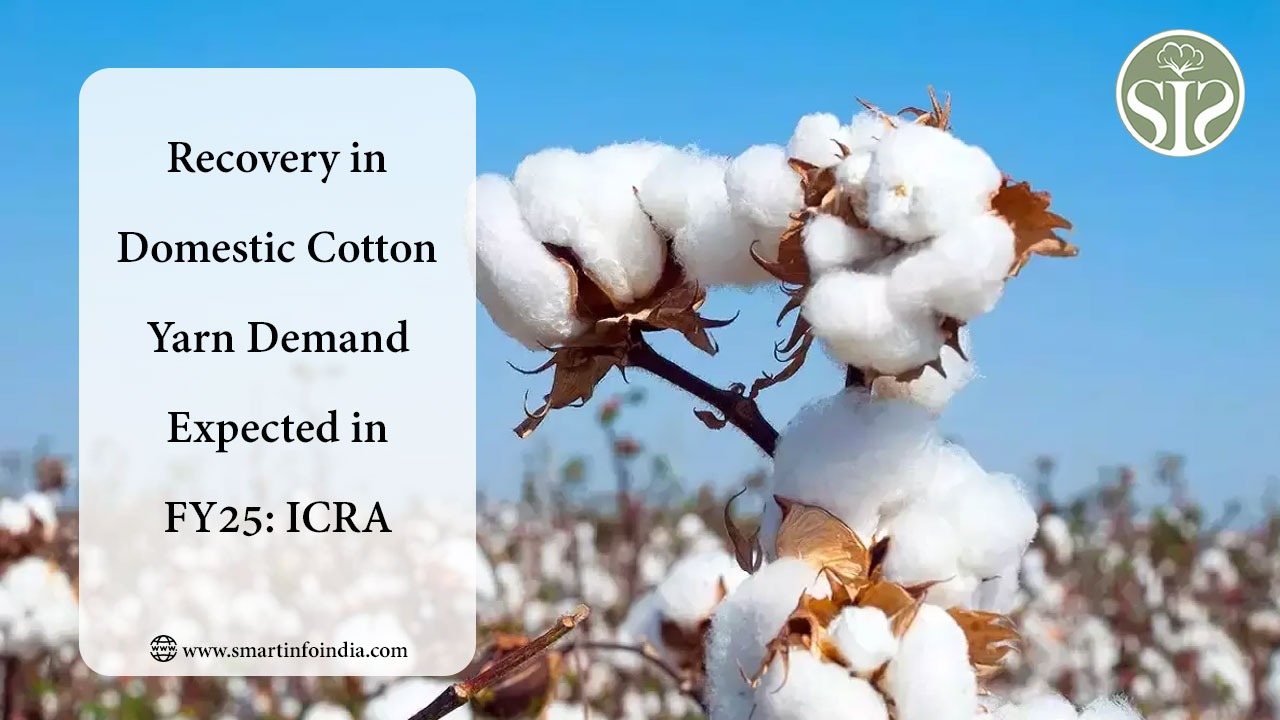
Farmers Concerned About Cotton Under Pink Bollworm Attack in Mansa, Fazilka, and AboharThe dreaded pink bollworm has hit the cotton crop in Mansa, Fazilka, and Abohar areas, raising concerns within the state Agriculture Department.Though the pest attack is currently below the economic threshold level (ETL), cotton growers, following the Agriculture Department's advice, have started extensive pesticide spraying to address the situation. Department officials informed The Tribune that the insect had been spotted on plants in villages bordering Rajasthan and Haryana.At present, cotton crops in Rajasthan's Sriganganagar, Anupgarh, and Hanumangarh districts are also under pink bollworm attack. In some areas, farmers have begun ploughing back cotton plants into the fields.Balkar Singh, a cotton cultivator from Khiali Chahianwali village in Mansa, reported spotting pink bollworm in some fields in his village. “Flowering is yet to begin, but the pest attack has already set in. We have done two rounds of insecticide spraying, increasing our input cost by Rs 2,000 per acre for each spray. I have incurred an additional expenditure of Rs 18,000 on insecticide sprays for nine acres,” he said. Farmers are also grappling with a whitefly attack.* Last year, many cotton growers in the Malwa region suffered losses due to a pink bollworm attack. Cotton was cultivated immediately after harvesting moong, a natural habitat for pink bollworm, which led to the insect remaining in the soil and later attacking the cotton crop. Subsequent heavy rainfall aggravated the pest attack, damaging nearly 60 percent of the cotton crop in the state. Pink bollworm also caused significant damage in 2021.*Gurpreet Singh Sandhu, a cotton farmer in Patti Sadiq village of Abohar, shared that last year, his cotton yield fell to two quintals per acre from the standard yield of 8-10 quintals per acre. “This year again, the crop is under pink bollworm attack, and I have started multiple insecticide sprays as recommended by Punjab Agricultural University scientists. But the prospects do not seem bright this year either. Fortunately, I reduced the area under cotton, or my losses would have been much higher,” he said.Due to repeated crop failures, farmers in Punjab are increasingly avoiding cotton cultivation. This year, only 99,720 hectares are under cotton crop, against a target of 2 lakh hectares. Of this area, the Agriculture Department has adopted 60,000 hectares for field trials, and all insecticides are being provided by the department.*Pest Control Measures- The pink bollworm has been spotted on plants in Punjab villages bordering Rajasthan and Haryana.- Although the pest attack is below the economic threshold level (ETL), farmers have started extensive pesticide spraying.- Experts suggest that providing fresh seeds to farmers and not allowing the use of old seeds is crucial to addressing frequent pest attacks.Common Cotton Pests- Pink Bollworm (Gulabi Sundi): This pest has been devastating cotton fields in Punjab, Haryana, and Rajasthan. It is resistant to first-generation transgenic Bt cotton.- Whitefly (Chitti Makhi): Thrives in warm and tropical climates and is found on the leaves of cotton plants. The honeydew secreted by it deposits on cotton fibers, affecting cotton quality.The dreaded pink bollworm has hit the cotton crop in Mansa, Fazilka, and Abohar areas, raising concerns within the state Agriculture Department.Though the pest attack is currently below the economic threshold level (ETL), cotton growers, following the Agriculture Department's advice, have started extensive pesticide spraying to address the situation. Department officials informed The Tribune that the insect had been spotted on plants in villages bordering Rajasthan and Haryana.At present, cotton crops in Rajasthan's Sriganganagar, Anupgarh, and Hanumangarh districts are also under pink bollworm attack. In some areas, farmers have begun ploughing back cotton plants into the fields.Balkar Singh, a cotton cultivator from Khiali Chahianwali village in Mansa, reported spotting pink bollworm in some fields in his village. “Flowering is yet to begin, but the pest attack has already set in. We have done two rounds of insecticide spraying, increasing our input cost by Rs 2,000 per acre for each spray. I have incurred an additional expenditure of Rs 18,000 on insecticide sprays for nine acres,” he said. Farmers are also grappling with a whitefly attack.* Last year, many cotton growers in the Malwa region suffered losses due to a pink bollworm attack. Cotton was cultivated immediately after harvesting moong, a natural habitat for pink bollworm, which led to the insect remaining in the soil and later attacking the cotton crop. Subsequent heavy rainfall aggravated the pest attack, damaging nearly 60 percent of the cotton crop in the state. Pink bollworm also caused significant damage in 2021.*Gurpreet Singh Sandhu, a cotton farmer in Patti Sadiq village of Abohar, shared that last year, his cotton yield fell to two quintals per acre from the standard yield of 8-10 quintals per acre. “This year again, the crop is under pink bollworm attack, and I have started multiple insecticide sprays as recommended by Punjab Agricultural University scientists. But the prospects do not seem bright this year either. Fortunately, I reduced the area under cotton, or my losses would have been much higher,” he said.Due to repeated crop failures, farmers in Punjab are increasingly avoiding cotton cultivation. This year, only 99,720 hectares are under cotton crop, against a target of 2 lakh hectares. Of this area, the Agriculture Department has adopted 60,000 hectares for field trials, and all insecticides are being provided by the department.*Pest Control Measures- The pink bollworm has been spotted on plants in Punjab villages bordering Rajasthan and Haryana.- Although the pest attack is below the economic threshold level (ETL), farmers have started extensive pesticide spraying.- Experts suggest that providing fresh seeds to farmers and not allowing the use of old seeds is crucial to addressing frequent pest attacks.Common Cotton Pests- Pink Bollworm (Gulabi Sundi): This pest has been devastating cotton fields in Punjab, Haryana, and Rajasthan. It is resistant to first-generation transgenic Bt cotton.- Whitefly (Chitti Makhi): Thrives in warm and tropical climates and is found on the leaves of cotton plants. The honeydew secreted by it deposits on cotton fibers, affecting cotton quality.Read More :> Cotton Prices Plummet by 40% in Ramanathapuram Market, Farmers Seek Government Aid