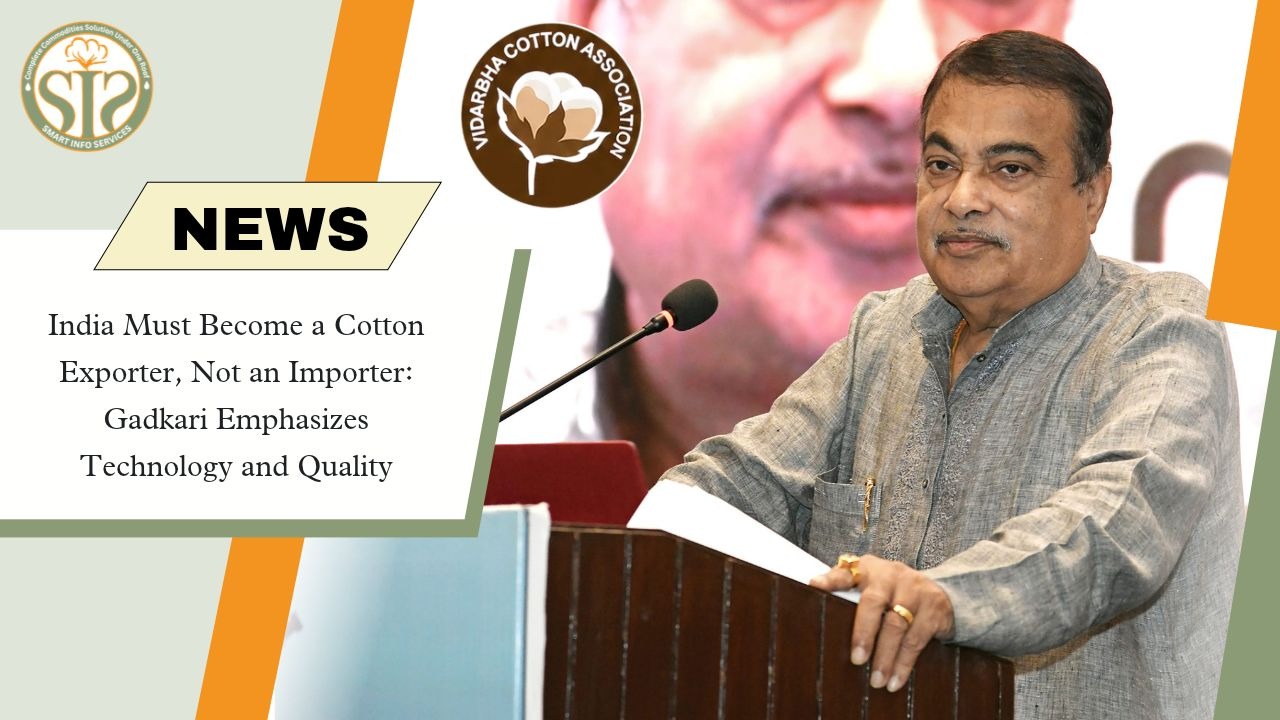
India Must Become a Cotton Exporter, Not an Importer: Gadkari ji Emphasizes Technology and Quality
Addressing ginners, traders, millers, brokers, and exporters from across the country at the All India Cotton Summit 2026, Union Minister for Road Transport and Highways Nitin Gadkari ji stated that cotton is a vital cash crop for the Indian economy and its farmers. He emphasized that increasing productivity per acre and reducing production costs should be the top priorities for the cotton sector.
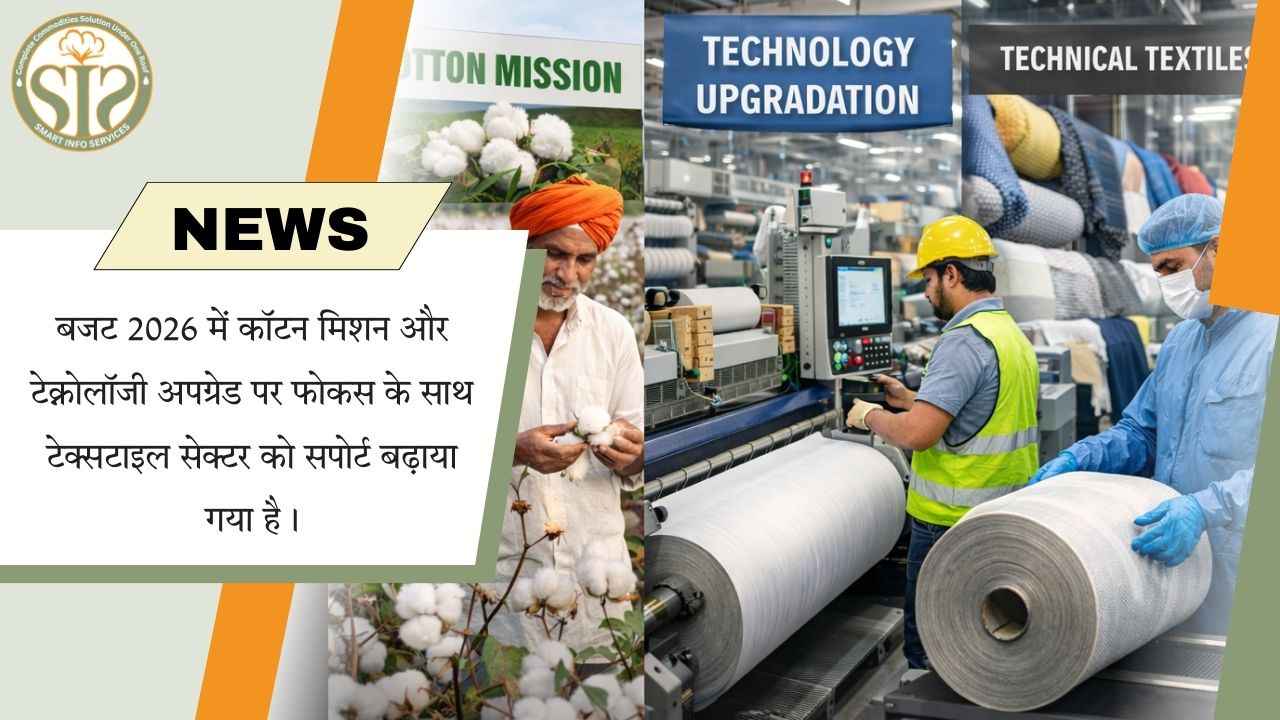
Gadkari urged stakeholders in the cotton industry to provide farmers with better seeds, modern technology, and guidance on scientific farming practices. He noted that superior seeds, modern ginning and pressing processes, and high-quality produce would boost India's cotton export potential, benefiting farmers, ginners, traders, and the entire textile industry.
He pointed out that cotton productivity in India remains low and stressed the need to increase per-acre output through higher crop density. He called for increased adoption of technologies such as AI, satellites, and drones in the future, noting that AI and satellite technology can provide crucial information regarding weather, pest/disease outbreaks, and fertilizer requirements. He also advocated for organizing farmer workshops in cotton-growing regions to raise awareness about these new technologies.
Emphasizing the importance of quality, Gadkari advised against mixing cotton of varying grades; instead, he suggested preparing separate bales based on quality standards. He remarked that honesty, transparency, reliability, and goodwill are the greatest assets of the 21st century, warning that compromising quality for short-term gains could harm the brand value and export prospects of Indian cotton.
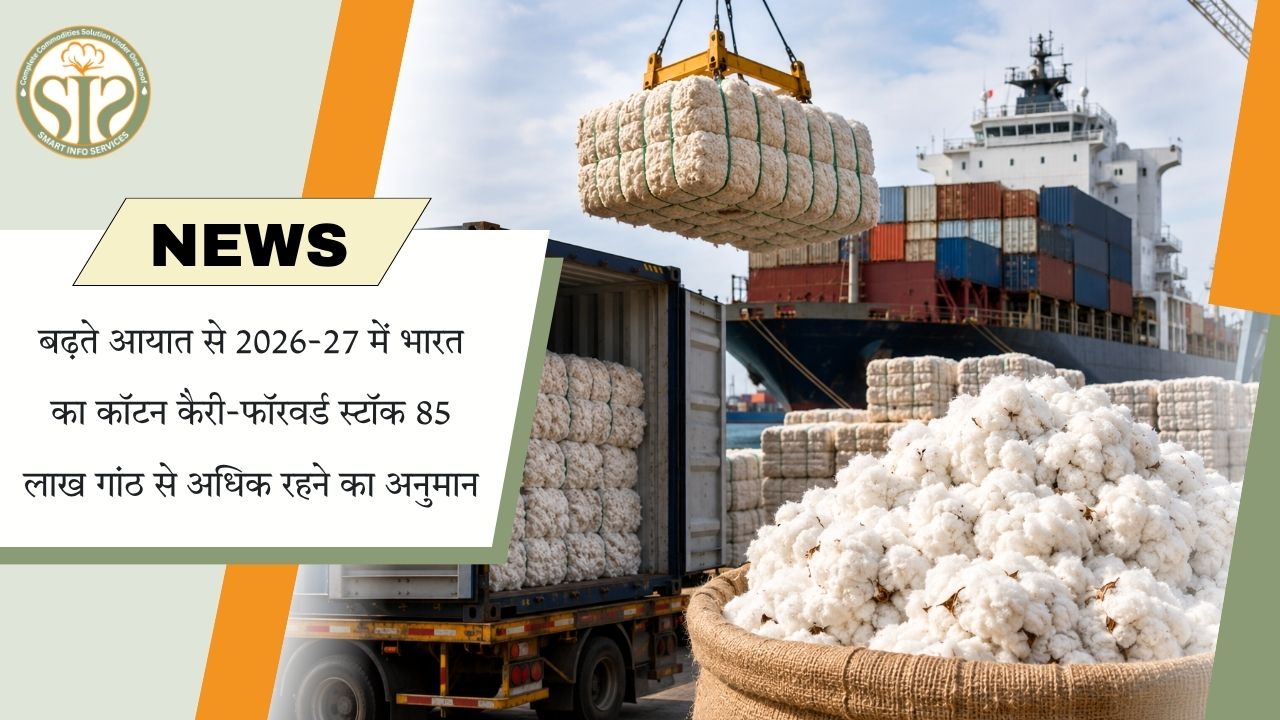
He also highlighted the gap between domestic production—approximately 290 lakh tonnes—and consumption—around 340 lakh tonnes—noting a deficit of about 50 lakh tonnes. Referring to the projected import of approximately 6 million tonnes of cotton in 2025-26, he stated that India must move towards reducing imports and increasing exports.
Gadkari also emphasized the use of drone technology in agriculture. Citing the example of drone-based spraying of nano-urea and nano-fertilizers, he noted that this enables more efficient use of inputs. He also highlighted the need to gradually transition agricultural equipment to electric and solar power.
He identified the reduction of logistics costs as crucial for export competitiveness. He noted that utilizing the Nagpur-Haldia route and river transport for shipping cotton from Vidarbha to Bangladesh could reduce transit time from approximately 27 days to 15 days and lower costs by about 10%.
Citing Israel's high cotton productivity per acre as an example, Gadkari stressed the need to boost productivity in India. He emphasized increasing farmers' income and production capacity through the Government of India's Cotton Mission, as well as the use of superior seeds and technology. Additionally, he praised Maharashtra's textile schemes while underscoring the importance of timely disbursement of the associated incentives.
read more :- Indian Rupee Falls 10 Paise to Close at 95.98 Against US Dollar.