Recent News

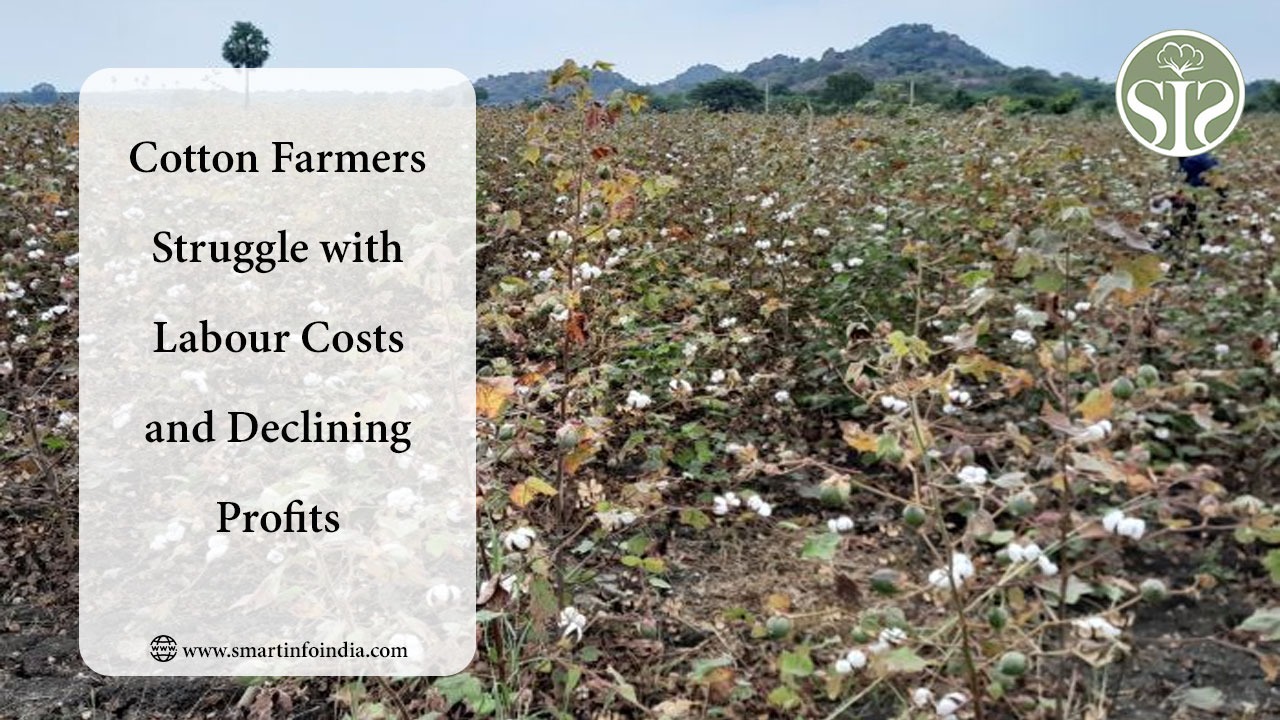
Cotton Farmers Struggle with Labour Costs and Declining Profits

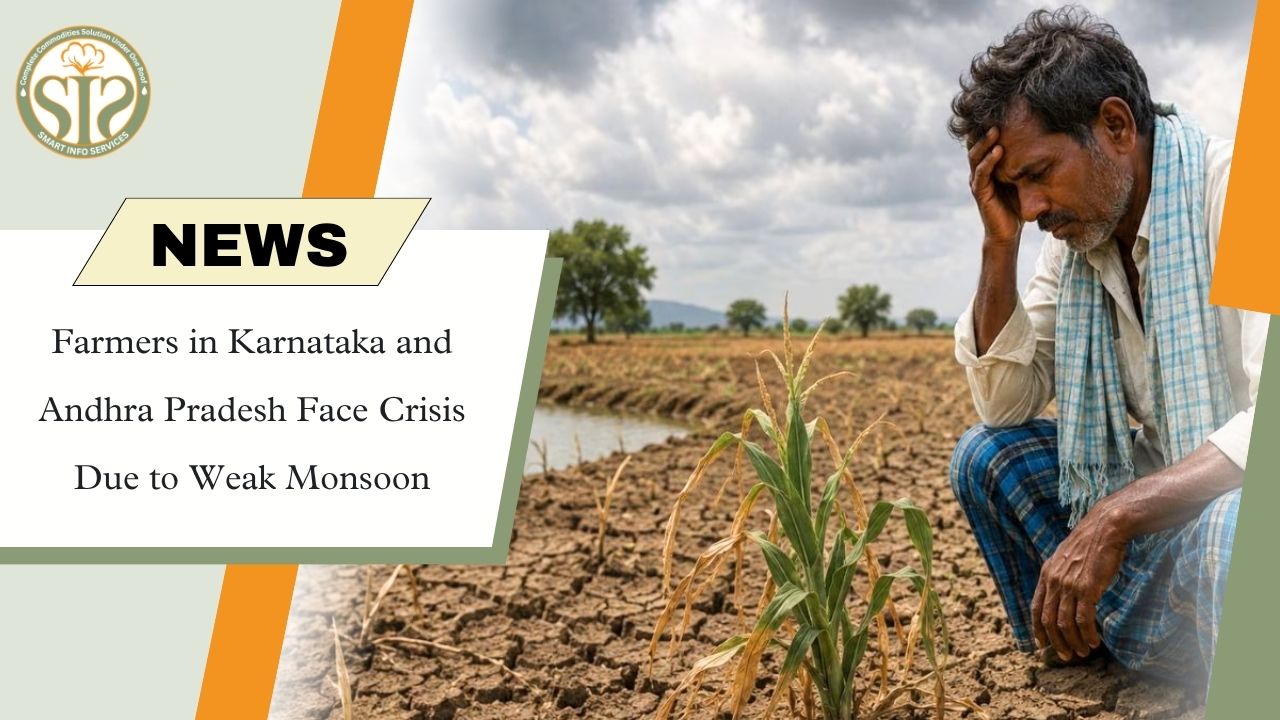
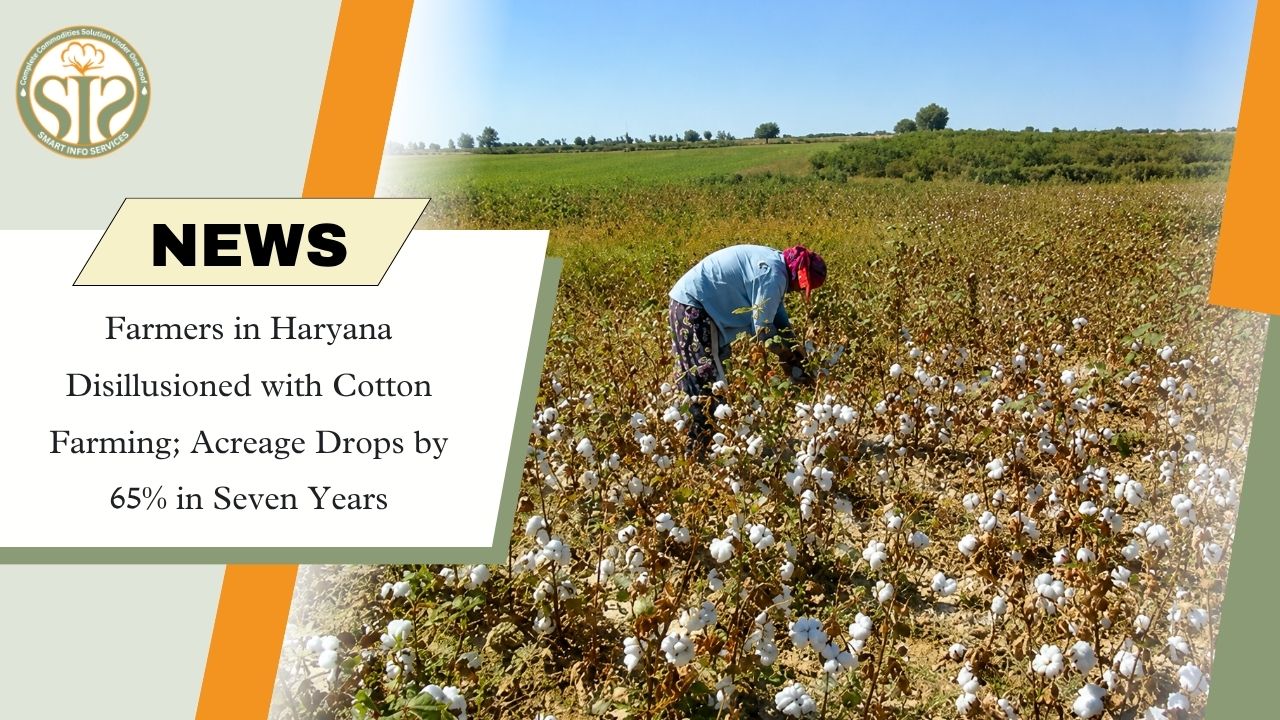
Cotton Growers Face Labor Expenses and Falling ProfitsCotton, once hailed as “White Gold” by farmers in Akola, has now become a crop of "compulsion." Farmers in Maharashtra are grappling with high production costs and labour concerns, finding cotton less profitable than it once was.Ganesh Nanote, a farmer from Akola who cultivates cotton on 15 of his 40-acre holding in the village of Nimbhara in Barsitakli taluka, describes the annual increase in production costs, particularly for labour, as making the crop almost non-viable. "But there is no other option – tur, urad, and other pulses have their own problems. Farmers take cotton out of compulsion and not profit anymore," he explains.This year, cotton traders nationwide fear a 10-15% decrease in planting area, driven by low prices and disappointing yields. The shift is especially evident in North India, where farmers are opting for paddy over cotton, despite a higher government-declared Minimum Support Price (MSP) of Rs 7,121/quintal. Bhagirath Choudhary, founder director of the South Asia Biotechnology Centre (SABC), attributes the shift largely to the Pink Bollworm infestation (PBW), a notorious pest affecting cotton crops. "The agriculture department needs to increase awareness among farmers on pest control," he adds.Pradeep Jain, founder president of the Khandesh Cotton Gin/Press Factory Owners and Traders Development Association, notes a 20% decline in cotton sowing areas in North Maharashtra. "Farmers did not get yield or price as per their expectation. Many have shifted to maize, pulses, and other crops," he says. Nationwide, he speculates a 10% decrease in cotton acreage for the upcoming season.Read More :>  Textile Industry Seeks Robust Support for Spinning Sector in Union Budget 2024-25

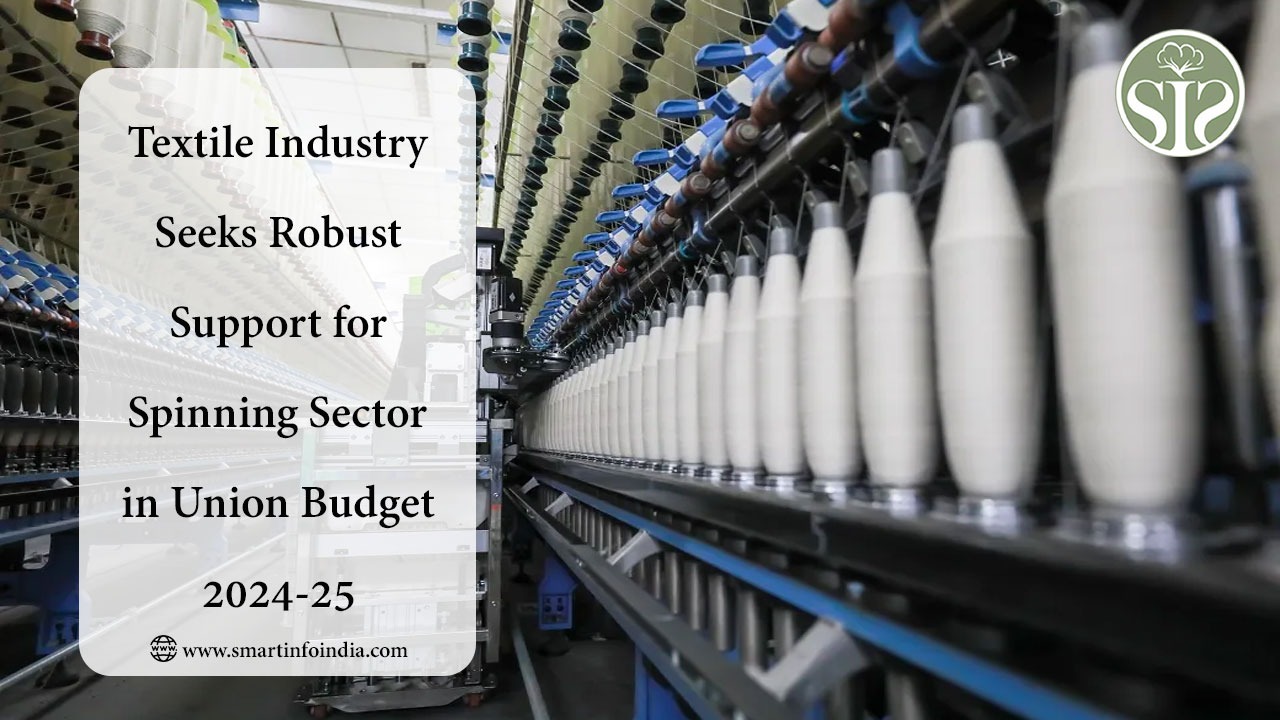
Textile Industry Seeks Robust Support for Spinning Sector in Union Budget 2024-25

Union Budget 2024–2025: Textile Industry Seeks Sturdy Support for Spinning SectorThe textile industry is eagerly anticipating significant support, particularly for the spinning sector, in the upcoming Union Budget for fiscal 2024-25, to be presented on July 23 by Finance Minister Nirmala Sitharaman.Industry stakeholders, including RK Vij from the Textile Association of India (TAI) and the Polyester Textile and Apparel Industry Association (PTAIA), are highlighting several key demands. These include ensuring a steady supply of raw materials such as cotton, polyester, and viscose at globally competitive prices and standards. Vij also advocates for increased duties on garment imports to boost domestic manufacturing competitiveness.Vij emphasizes the extension of the Remission of Duties and Taxes on Exported Products (RoDTEP) Scheme beyond its current deadline in September 2024. He raises concerns over the inverted duty structure of GST and urges streamlined tax rates across various textile products, suggesting higher taxes on downstream items.Rakesh Mehra, Chairman of the Confederation of Indian Textile Industry (CITI), echoes these sentiments. He calls for policies to ensure competitive raw material prices and proposes a Technology Upgradation Fund Scheme (TUFS) to stimulate investments in textile processing and value addition.Dr. SK Sundararaman, Chairman of The Southern India Mills’ Association (SIMA), stresses the need for fair trade policies and advocates for the availability of high-quality cotton at prices 10% lower than international markets. He calls for removing import duties on cotton to facilitate easier access to global supplies and enhance domestic cotton production.Sanjay Garg, President of the Northern India Textile Mills’ Association (NITMA), emphasizes the need for a minimum import price (MIP) on all fabric types to curb imports and prevent market manipulation. Garg also supports the removal of import duties on cotton to address cost discrepancies compared to global rates.Jaikrishna Pathak, President of The Bombay Yarn Merchants Association and Exchange, underscores the need to streamline the polyester textile value chain and reduce GST on raw materials to rectify the inverted duty structure.Collectively, these industry experts seek proactive measures from the government to support raw material availability, enhance competitiveness, and stimulate investment across various segments of the textile sector ahead of the upcoming budget presentation.Read  More:> Monsoon Reverses Deficit, Boosting Sowing Operations for Pulses and Oilseeds

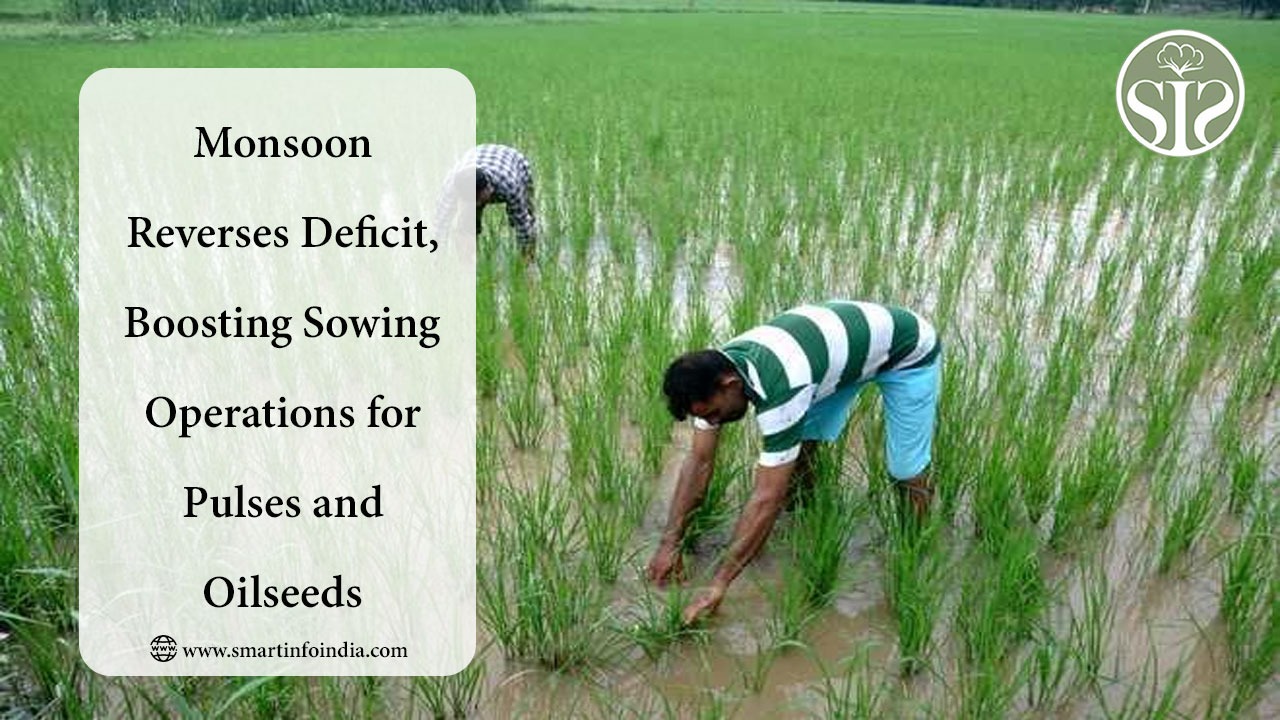
Monsoon Reverses Deficit, Boosting Sowing Operations for Pulses and Oilseeds

Monsoon Increases Oilseed and Pulse Sowing Operations and Reverses DeficitWith monsoon rains shifting from an 11% deficit on June 30 to a 2% surplus by July 8, sowing operations for Kharif (summer sown) crops have surged, pushing overall acreage 14% higher than the same period last year.Recent data from the agriculture ministry reveals that as of last Friday, total sown area reached 378 lakh hectares, up by 47 lakh hectares compared to the previous year. This significant increase is largely driven by a 50% rise in the acreage of pulses and oilseeds. In contrast, the area dedicated to water-intensive paddy has increased by only 19%.Despite a greater monsoon deficit in June this year (11%) compared to last year (9%), the acreage for Kharif crops was notably higher, with 59 lakh hectares (over 32%) more sown by June 28 this year compared to the same period in 2023. The total sown area as of June 28 was 240 lakh hectares, significantly up from 181 lakh hectares last year.“Due to insufficient rainfall in June, farmers opted for less water-consuming crops like pulses (arhar) and oilseeds (soybean) over water-intensive paddy, leading to increased acreage this June,” said an official.With a forecast of above-normal rainfall for July, further increases in sown area are anticipated. "Well-distributed rainfall from July to September should boost Kharif acreage beyond the normal (five-year average) for this season," the official added.READ MORE :>  Aurangabad: ₹191 Crore Aid Announced for 6 Lakh Cotton Growers

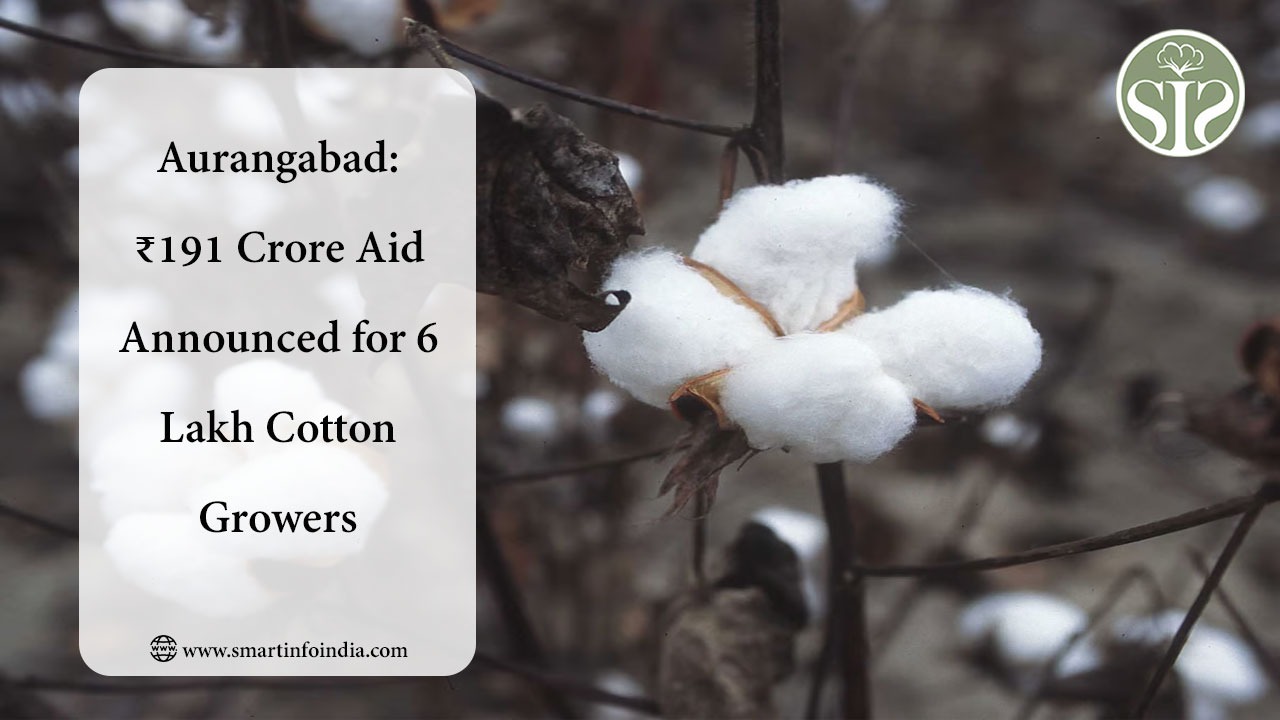
Aurangabad: ₹191 Crore Aid Announced for 6 Lakh Cotton Growers

₹191 Crore in Aid Announced for 6 Lakh Cotton Growers in AurangabadChhatrapati Sambhajinagar District Farmers to Receive Government Compensation for Crop LossesIn Chhatrapati Sambhajinagar district, around 6 lakh farmers have faced significant losses in their cotton crops, which covered an area of 3.84 lakh hectares. The state government has announced a financial aid package of ₹191.50 crore to assist these farmers.For the past two years, cotton growers have suffered substantial losses due to plummeting cotton prices. In response, the state government committed to providing compensation of ₹5,000 per hectare to affected cotton farmers. This aid will soon be disbursed to the 6 lakh farmers in Chhatrapati Sambhajinagar who experienced these losses.In contrast to Chhatrapati Sambhajinagar, other districts in Marathwada have seen a significant decline in cotton production over the past decade. Farmers in these areas have increasingly shifted to soybean cultivation. However, farmers in Chhatrapati Sambhajinagar continue to cultivate cotton, often referred to as "white gold."During the last Kharif season, cotton was planted on approximately 80% of the cultivated land in the district, equating to about 3.84 lakh hectares. Over the past two years, cotton prices have dropped to ₹6,500 per quintal, and production has halved due to inadequate rainfall last year.Given these challenges, the state government has announced compensation of ₹5,000 per hectare for up to two hectares of land per farmer. As preparations for the upcoming Kharif season are underway, this announcement has brought much-needed relief and optimism to the farmers in the district.Read More :>  Government Set to Revive Cotton Technology Mission with ₹500 Crore Allocation for Five-Year Plan

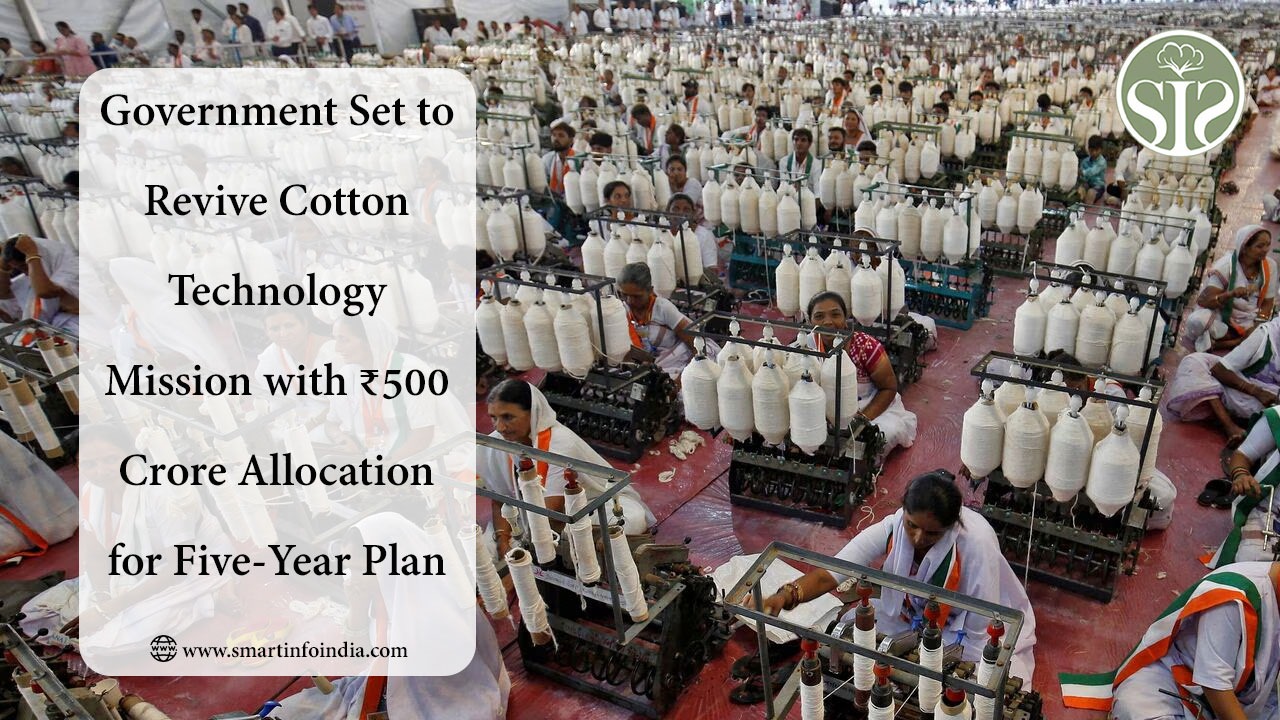
Government Set to Revive Cotton Technology Mission with ₹500 Crore Allocation for Five-Year Plan

The government is planning to revive the Cotton Technology Mission and allocate ₹500 crore for a five-year plan.Finance Minister Expected to Announce Funding for Overhauled SchemeIn the upcoming budget, the central government is anticipated to unveil a revitalized Cotton Technology Mission aimed at integrating cutting-edge technologies to boost farmers' yields. This initiative is being collaboratively developed by the Ministry of Textiles and the Indian Council of Agricultural Research (ICAR), according to sources.Initially launched in 1999-2000, the Technology Mission on Cotton (TMC) was a three-year program extended several times until it concluded in 2013-14. Between 2000 and 2010, the government invested ₹421 crore in TMC. Since 2014-15, cotton has been included under the National Food Security Mission (NFSM), a move some experts argue has diluted the focus on this crucial crop.The revamped TMC will concentrate on two main components: Mini Mission I (MM I) and Mini Mission II (MM II). MM I will focus solely on research, while MM II will emphasize extension work, fostering a connection between farmers and the industry.ICAR's Request and Funding AllocationSources indicate that the Finance Minister may announce funding for the revamped TMC over a five-year period, responding to ICAR's recommendation that funding for cotton research projects should span at least four years to achieve meaningful results. Union Textile Minister Giriraj Singh is reportedly eager to expedite the rollout of the revamped TMC, having engaged directly with leading agricultural scientists and ICAR Director General Himanshu Pathak.Although specific details are still being finalized, official sources suggest that an allocation of at least ₹500 crore over the five-year period is necessary to yield significant results. While there is some resistance to providing direct subsidies, the government is exploring options to facilitate easy credit from banks for farmers. This would involve private industry covering the repayment burden, which would then be adjusted against cotton sales.Potential Introduction of New Bt CottonCotton farmers may also be provided with short-term crop loans at higher limits than the current ₹3 lakh at subsidized interest rates. This would enable them to invest in infrastructure improvements and adopt best management practices, including the latest technologies, according to a cotton seed expert.Last week, Minister Singh indicated that a new variety of technologically advanced Bt cotton might soon be approved for commercial cultivation, potentially benefiting the Indian textile industry significantly. He emphasized efforts to address labor issues in the textile sector by leveraging the Self-Help Groups (SHG)."Trials of Herbicide Tolerance (HT) Bt cotton (also known as BG III) are underway. Once ICAR completes its assessments and necessary approvals are obtained, commercial cultivation could be permitted," Singh told BusinessLine. This variety could reduce production costs for farmers, increase the area under cotton cultivation, and significantly benefit the textile industry.Read More :> Surge in Chinese Fabric Imports Raises Concerns Among Indian Textile Manufacturers

Related News

Youtube Videos

रुई बाज़ार में गिरावट का रुख 😱 जानिए कपास भाव 🔥Cotton Market Rate Today 30 Sep 2026
रुई बाज़ार में गिरावट का रुख 😱 जानिए कपास भाव 🔥Cotton Mark...
🔥 1200+ दिग्गज एक मंच पर! नागपुर में सजा Cotton Industry का महाकुंभ | India Cotton Summit 2026
🔥 1200+ दिग्गज एक मंच पर! नागपुर में सजा Cotton Industry का...
आज देशभर में रुई के भाव क्या रहे? 😱 Cotton Market Rate Today 🔥 29 Sep 2026
आज देशभर में रुई के भाव क्या रहे? 😱 Cotton Market Rate Toda...
Application Download
Whatsapp Contact