Recent News

India’s Exports See Strong FY27 Start Amid FTA Push

Strong Growth in India's Exports at the Start of FY27; Government Accelerates Initiatives for FTA ExpansionThe beginning of the 2026-27 fiscal year (FY27) has been positive for India's export sector. According to a senior government official, the country's exports recorded double-digit growth during April and May 2026. The Ministry of Commerce is set to release trade figures for the month of May on June 15, a release expected to provide detailed confirmation of this trend.In April 2026, India's exports surged by 13.78 percent to reach $43.56 billion—the highest monthly figure recorded in the last four years. The recovery in petroleum product exports and elevated international crude oil prices played a significant role in driving this growth. However, imports also witnessed a sharp increase during the same period, causing the trade deficit to widen to $28.38 billion—the highest level seen in the last three months.The government is actively pursuing Free Trade Agreements (FTAs) as a key strategy to boost exports and strengthen India's market share in the global arena. In line with this objective, the Ministry of Commerce is currently working on a plan to recruit approximately 1,000 personnel to raise awareness regarding FTAs across the country. Candidates proficient in various Indian languages will be required for these positions, and the formalities regarding the recruitment process are currently underway.Currently, India has operational FTAs with several countries and blocs, including the United Arab Emirates (UAE), Oman, Australia, the European Free Trade Association (EFTA), and Mauritius. Furthermore, agreements with the United Kingdom (UK), New Zealand, and the European Union (EU) are in their final stages of negotiation.According to Commerce and Industry Minister Piyush Goyal, India has concluded nine Free Trade Agreements over the past three and a half years, covering approximately 38 developed nations. He asserts that these agreements are facilitating improved access for Indian goods and services in global markets and collectively impact a significant portion of global trade. The government aims to achieve exports of $1 trillion in the current year and $2 trillion over the next five years. In pursuit of this objective, trade negotiations are being accelerated with Israel, Canada, the Gulf Cooperation Council (GCC), the Southern African Customs Union (SACU), Russia, Central Asian nations, and other partners.read more :- Maharashtra Launches Cotton Revolution Scheme in 19 Districts

Maharashtra Launches Cotton Revolution Scheme in 19 Districts

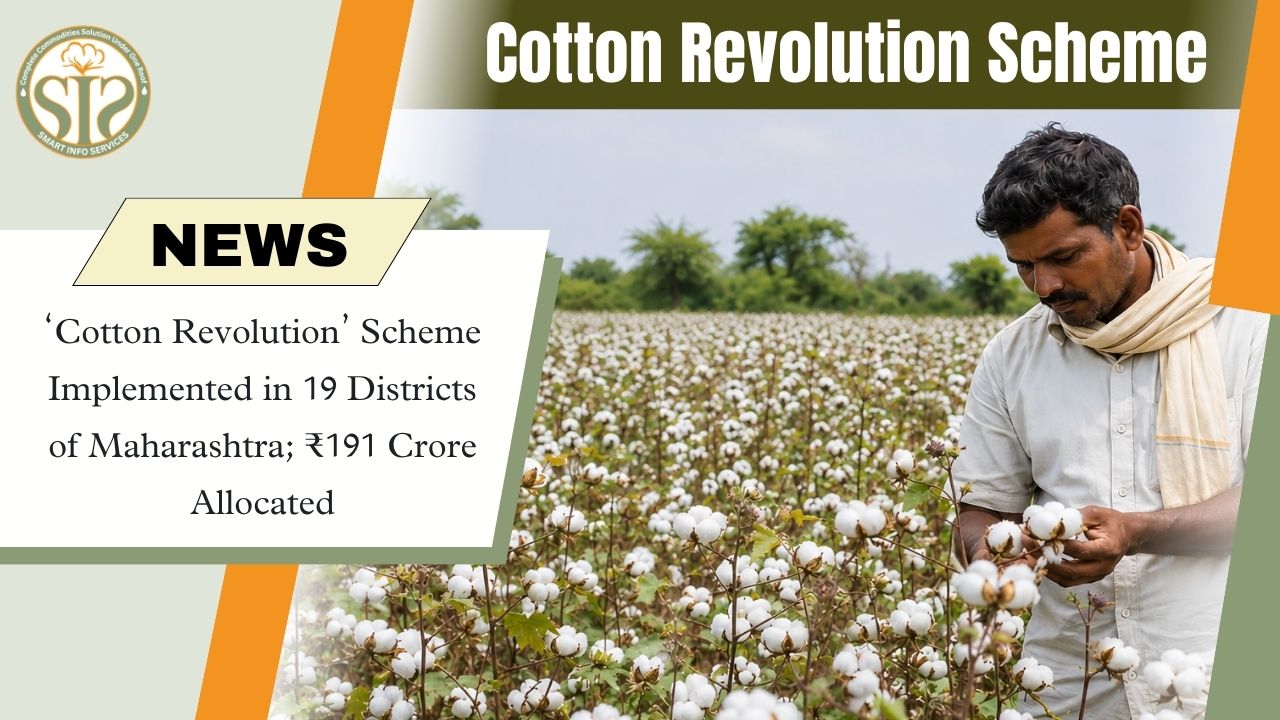
‘Cotton Revolution’ Scheme Implemented in 19 Districts of Maharashtra; ₹191 Crore AllocatedMumbai: With the objective of boosting cotton production and improving its quality across the country, the Central Government has decided to implement the ambitious ‘Cotton Revolution’ (Kapas Kranti) scheme. This scheme will benefit 19 major cotton-producing districts across the North Maharashtra, Marathwada, and Vidarbha regions of the state of Maharashtra. A provision of ₹191 crore has been made for this initiative within the state.This initiative is being launched under the Central Government’s ‘Cotton Productivity Mission,’ the primary objective of which is to address the challenges associated with cotton cultivation and to connect farmers with modern agricultural technologies. The scheme is scheduled to be implemented over the period spanning from the year 2026-27 to 2030-31. During this period, approximately ₹5,659.22 crore will be expended nationwide.Under the scheme, farmers will be encouraged to utilize high-yielding, climate-resilient, and pest-resistant seed varieties. Furthermore, emphasis will be placed on the widespread adoption of modern agricultural techniques—such as the High-Density Planting System (HDPS), Closer Spacing (CS), and Integrated Cotton Management. The government believes that these measures will contribute to increasing per-hectare productivity.Under the ‘Cotton Revolution’ scheme, special attention will be directed not only toward promoting the production of Extra Long Staple (ELS) cotton but also toward the modernization of ginning and processing units. This is expected to enhance the quality of cotton and bolster the competitive edge of Indian cotton in the global market.To establish Indian cotton as a high-quality and sustainable product on the international stage, a special promotional campaign will also be conducted under the brand name ‘Kasturi Cotton Bharat.’ This campaign will be operational across 140 districts spanning 14 states of the country.State Agriculture Minister Dattatray Bharne stated that, in light of the higher water requirements associated with the HDPS method, the government is currently considering the possibility of providing additional subsidies to cotton farmers for the installation of micro-irrigation systems. Experts believe that this scheme could lead to a significant increase in production, productivity, and farmers' income in the cotton-producing regions of Maharashtra.read more :- The rupee ended 22 paise lower at 95.27 against the dollar.

ICAC Forecasts Decline in Global Cotton Production for 2026/27

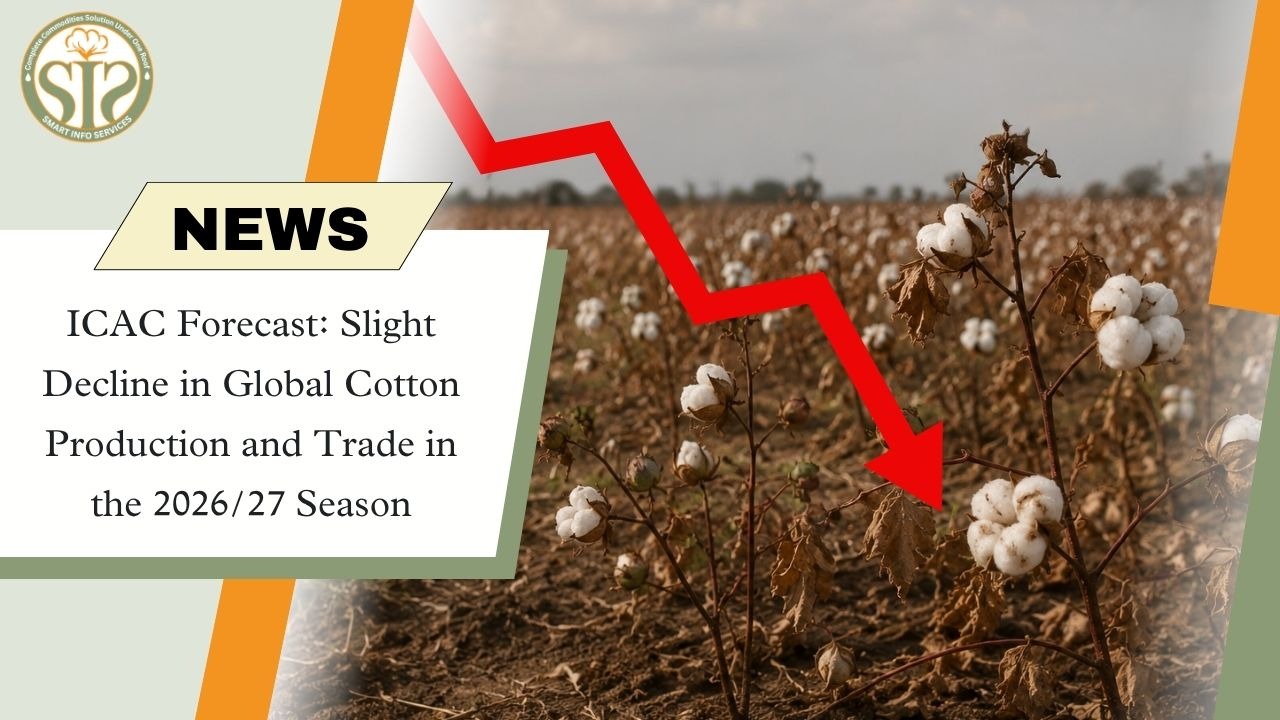
ICAC Forecast: Slight Decline in Global Cotton Production and Trade in the 2026/27 SeasonAccording to the International Cotton Advisory Committee (ICAC)'s June 2026 report, 'Cotton This Month', a marginal decline in global cotton area, production, and trade is anticipated for the 2026/27 season. The report attributes this to weak demand, rising production costs, and changing climatic conditions in major cotton-producing regions.According to ICAC estimates, the global cotton area is projected to contract by 1 percent, settling at 30.1 million hectares. Production is estimated to decline by 2 percent to 25.7 million tonnes, while global trade is expected to shrink by 1.4 percent to approximately 9.5 million tonnes.According to the report, fertilizer prices rose by approximately 12 percent in early 2026—primarily driven by tensions in the Middle East and supply disruptions in the Strait of Hormuz. Furthermore, adverse weather conditions in several countries are also impacting cotton production. In the United States, a significant portion of the cotton crop is under the threat of drought; Australia is grappling with a severe water crisis; and in Pakistan, pest infestations and erratic weather continue to pose challenges to production. Meanwhile, increasing competition from rival crops—such as maize—and from synthetic fibers is also exerting pressure on the cotton sector.In terms of country-specific estimates, China is expected to retain its position as the world's largest cotton producer. However, a 0.5 percent decline in cotton area and a 4 percent drop in production are projected for the country, which could see production levels settle at approximately 7 million tonnes. Favorable weather conditions and high productivity are expected to sustain China's strong standing.In the United States, the cotton area is projected to shrink by 6 percent to 2.9 million hectares, while production is expected to decline by 4 percent to 2.8 million tonnes. Despite this, a marginal increase in both productivity and exports is anticipated.Following four consecutive years of growth, both cotton area and production in Brazil are projected to experience a decline. Production is expected to fall by 10 percent to 3.8 million tonnes. On the other hand, India continues to remain a leader in terms of cotton acreage. Due to forecasts of a normal monsoon, domestic production is expected to increase by 8 percent, with the majority of this output likely to be utilized for domestic consumption and yarn exports.In Australia, production is estimated to stand at approximately 937,000 tons due to drought and limited irrigation resources; meanwhile, in Pakistan, production could decline by 18 percent—falling to around 900,000 tons—owing to poor seed quality, pest infestations, and adverse weather conditions.The ICAC has projected the Cotlook A Index for the 2025/26 season to range between 75 and 80 cents per pound, with a midpoint of 78 cents per pound. The next issue of the report is scheduled to be released on July 1, 2026.read more :- India-US Trade Deal Nears Final Stage Amid Tariff Talks

India-US Trade Deal Nears Final Stage Amid Tariff Talks

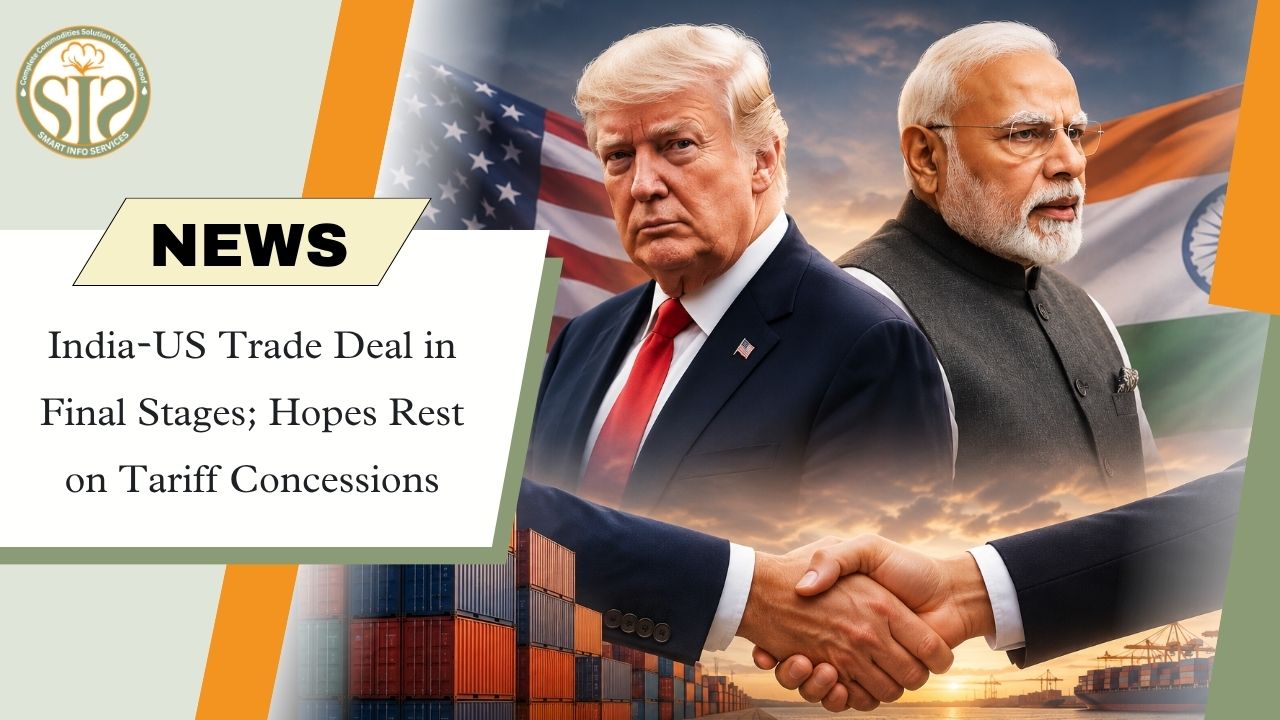
India-US Trade Deal in Final Stages; Hopes Rest on Tariff ConcessionsNew Delhi: The proposed trade agreement between India and the United States appears to be reaching its final stages. However, its success will depend largely on the relief India receives regarding the US's Section 301 investigation and the potential tariff measures associated with it. This information was provided by a source within the Indian government on Monday.A US delegation, led by Brendan Lynch—the US Assistant Trade Representative for South and Central Asian Affairs—will hold three days of talks with Indian officials in New Delhi starting Tuesday. During these discussions, both sides will address pending issues related to the trade agreement.India and the US had reached an agreement on a preliminary trade deal in February; however, the pace of negotiations subsequently slowed down due to tariff measures imposed by US President Donald Trump and related legal developments. Following this, the US administration initiated an investigation into the trade policies of several countries—including India—under Section 301 of the Trade Act of 1974, and subsequently imposed a uniform tariff of 10 percent.According to the Indian source, New Delhi intends to discuss the potential tariff implications arising from this investigation and seek relief. India's objective is to secure competitive tariff rates that would provide it with an edge over other Asian manufacturing hubs.The source stated that if the proposed terms are fair, balanced, and aligned with the interests of both parties, the agreement could be finalized. India is hopeful that it will secure a more favorable tariff regime compared to regional competitors such as Bangladesh, Pakistan, and Sri Lanka.According to sources, US Deputy Trade Representative Jamieson Greer may visit India once the framework of the agreement has been established. This is being viewed as a sign of the growing progress between the two nations.Last week, US Ambassador to India Sergio Gor stated that a trade agreement between the two countries is likely to be concluded within the coming weeks or months.read more :- Indian Rupee Opens 6 Paise Lower Against US Dollar at 95.05

Cotton Sowing Begins in Kutch Ahead of Monsoon

Gujarat (Bhuj): Pre-Monsoon Agricultural Preparations Intensify; Cotton Sowing Begins in Irrigated AreasOnly a few days now remain until the official onset of the monsoon. Consequently, farmers in the Kutch district have accelerated their preparations for the Kharif season. In irrigated areas, farmers have already commenced the sowing of cotton, while those engaged in rain-fed farming have completed the tasks of plowing and land preparation. Now, all eyes are fixed on the timely arrival of the monsoon rains.Kutch is known for its geographical disparities and relatively low rainfall. Despite this, agriculture is undertaken on a large scale across the district during the monsoon season. Primarily, crops are sown here that are well-adapted to the local soil conditions and the region's unpredictable climatic patterns.In addition to cash crops such as groundnut and cotton, the district also witnesses the extensive cultivation of Guar, Pearl Millet (Bajra), Sorghum (Jowar), and Castor. Furthermore, short-duration pulse crops—such as Moong, Moth, and Urad—remain a preferred choice among farmers, as they play a vital role in maintaining soil fertility.Amidst the anticipation of the monsoon, agricultural markets in Bhuj, Anjar, Bhachau, Nakhatrana, and Mandvi have become bustling with activity. Farmers are procuring high-quality seeds, fertilizers, and crop protection products from government depots and private vendors, clearly reflecting their enthusiasm for the upcoming sowing season.Agricultural experts believe that if the monsoon arrives on time this year and the rainfall distribution remains balanced, the sowing of Kharif crops in Kutch will proceed rapidly, and farmers can look forward to the prospect of a bountiful harvest.read more :- Textile Stocks Jump After Cotton Import Duty Waiver

Textile Stocks Jump After Cotton Import Duty Waiver

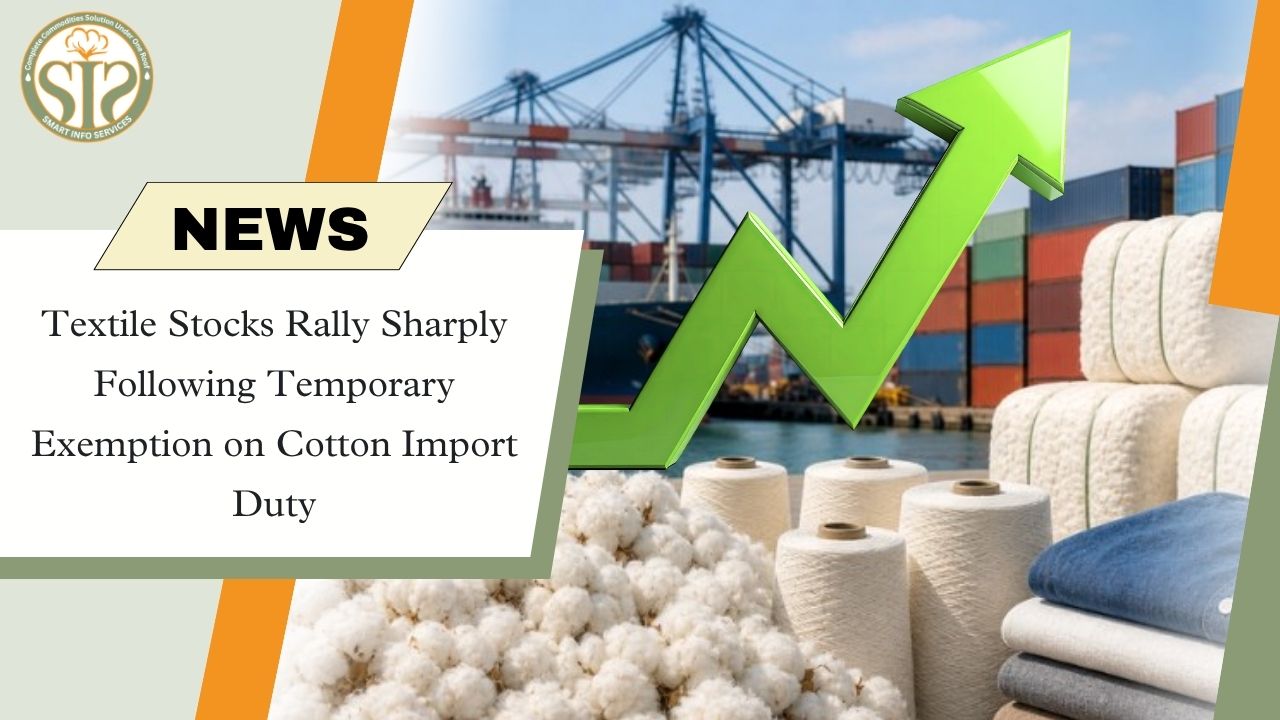
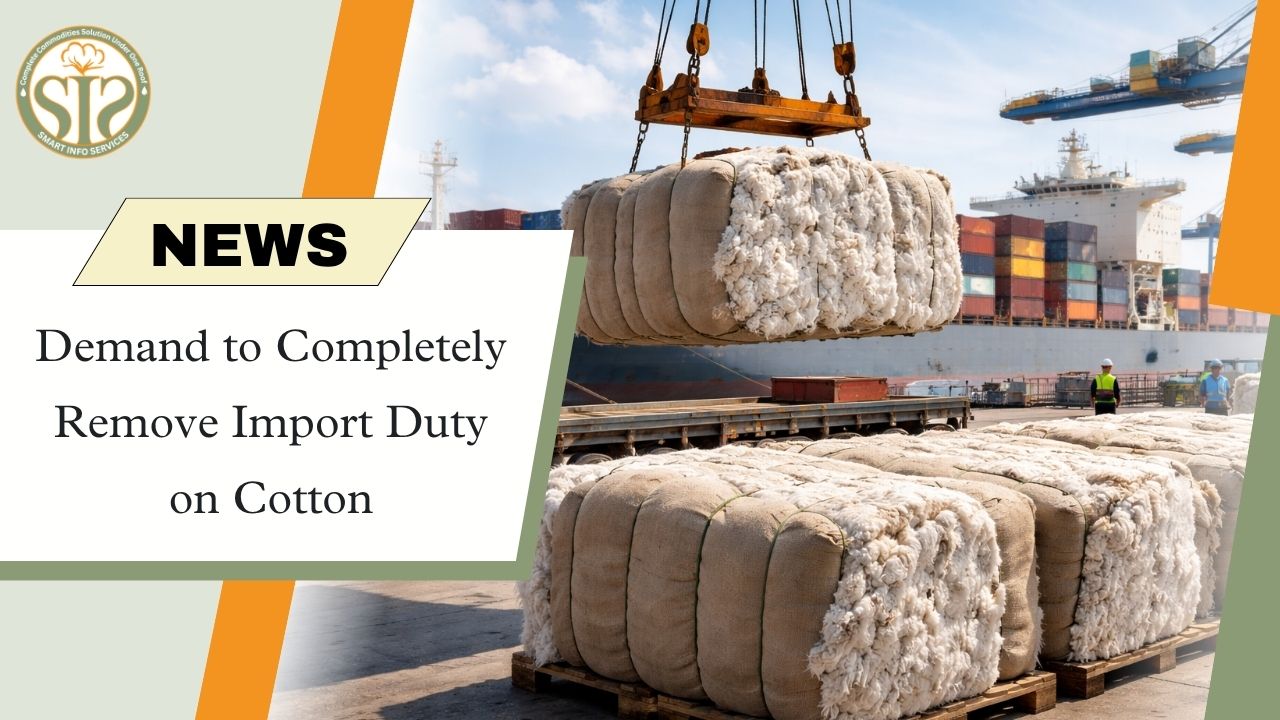
Textile Stocks Rally Sharply Following Temporary Exemption on Cotton Import DutyShares of textile and apparel companies witnessed a significant surge during early trading on Monday. This rally followed the Central Government's announcement of a temporary exemption on customs duty levied on cotton imports. The move aims to enhance the availability of raw materials and provide relief to the domestic textile industry.In a notification issued on Saturday, the Ministry of Finance stated that all customs duties applicable to cotton imports have been waived for the period spanning from June 1, 2026, to October 30, 2026. Previously, an effective duty of 11% was applicable to imported cotton. Under the new regime, cotton imports will remain completely duty-free for the next five months.According to the government, this decision was taken at a time when cotton prices in the domestic market remain at elevated levels. The removal of import duties is expected to boost cotton availability and provide relief to textile and apparel manufacturers who rely on imported cotton. This is likely to result in reduced production costs and improved operating margins for these entities.Investors welcomed the government's announcement positively, leading to strong buying activity in the shares of several textile companies. In early trading, shares of Vardhman Textiles climbed nearly 6%, while Arvind surged 6.44% to hit its 52-week high on the National Stock Exchange.Furthermore, Nitin Spinners recorded a gain of 5.53%, and Himatsingka Seide rose by nearly 5%. Shares of Welspun Living, Trident, and Gokaldas Exports strengthened by approximately 4%. Meanwhile, KPR Mill saw a rise of 2.2%, while Kitex Garments and Pearl Global Industries gained around 2%. Shares of Kewal Kiran Clothing remained relatively stable.The Ministry of Finance believes that this temporary duty exemption will help reduce input costs across the entire value chain of the textile and apparel sector. This is expected to provide relief to both manufacturers and consumers, while also seeking to strike a balance with the interests of domestic cotton producers.The Ministry stated that improved cotton availability will enhance the competitiveness of the domestic textile industry. Small and Medium Enterprises (SMEs), in particular, are likely to benefit from this, as they will receive relief on both the fronts of raw material supply and costs.read more :- India Waives Cotton Import Duty Until October 2026

Related News

Youtube Videos

आज के कपास के भाव 😱 गुजरात कपास बुवाई अपडेट 🔥Cotton Rate Today 22 Sep 2026
आज के कपास के भाव 😱 गुजरात कपास बुवाई अपडेट 🔥Cotton Rate T...
जानिए आज का कपास बाज़ार 😱 Cotton market rate today #kapas #cotton
जानिए आज का कपास बाज़ार 😱 Cotton market rate today #kapas #c...
रुई के भाव में लगातार गिरावट 😱 क्या आगे भी रहेगी मंदी? | Cotton Market
रुई के भाव में लगातार गिरावट 😱 क्या आगे भी रहेगी मंदी? | Co...
Application Download
Whatsapp Contact