Filter

Recent News

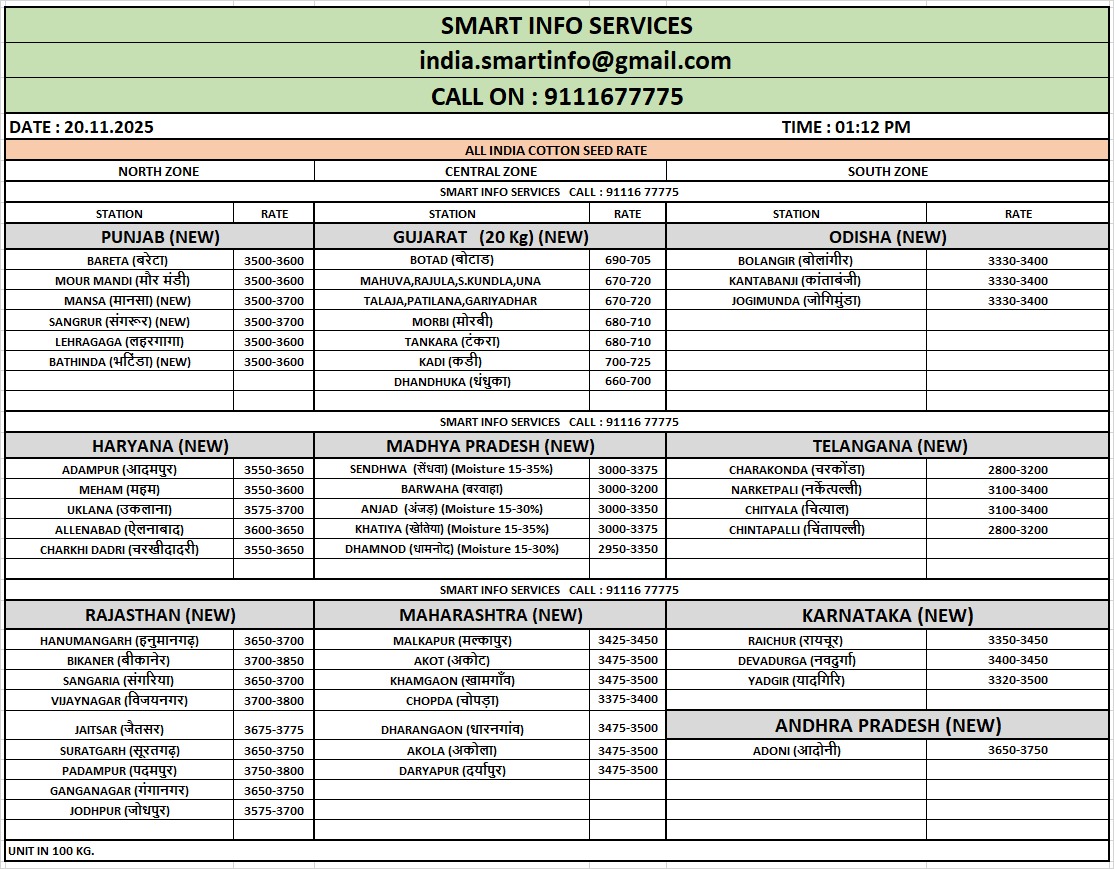
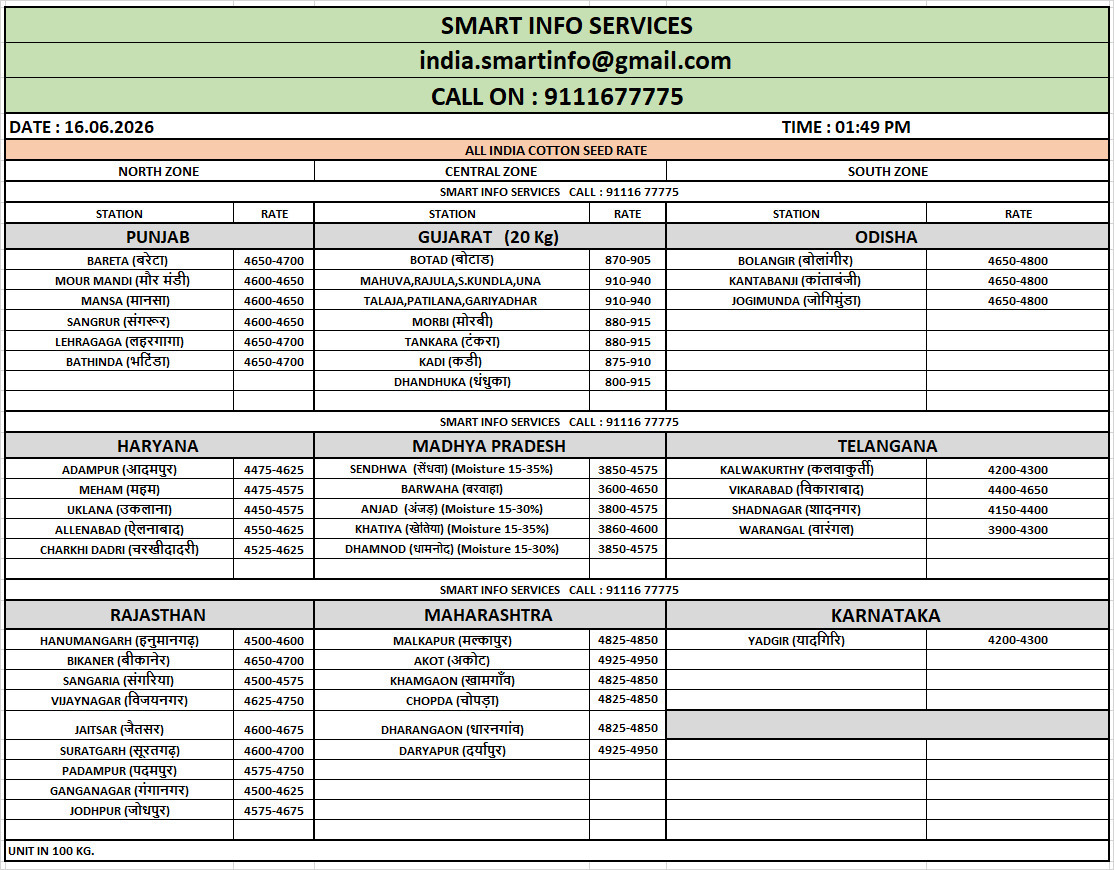
Cotton arrivals in the northern belt increased by 49.66%.

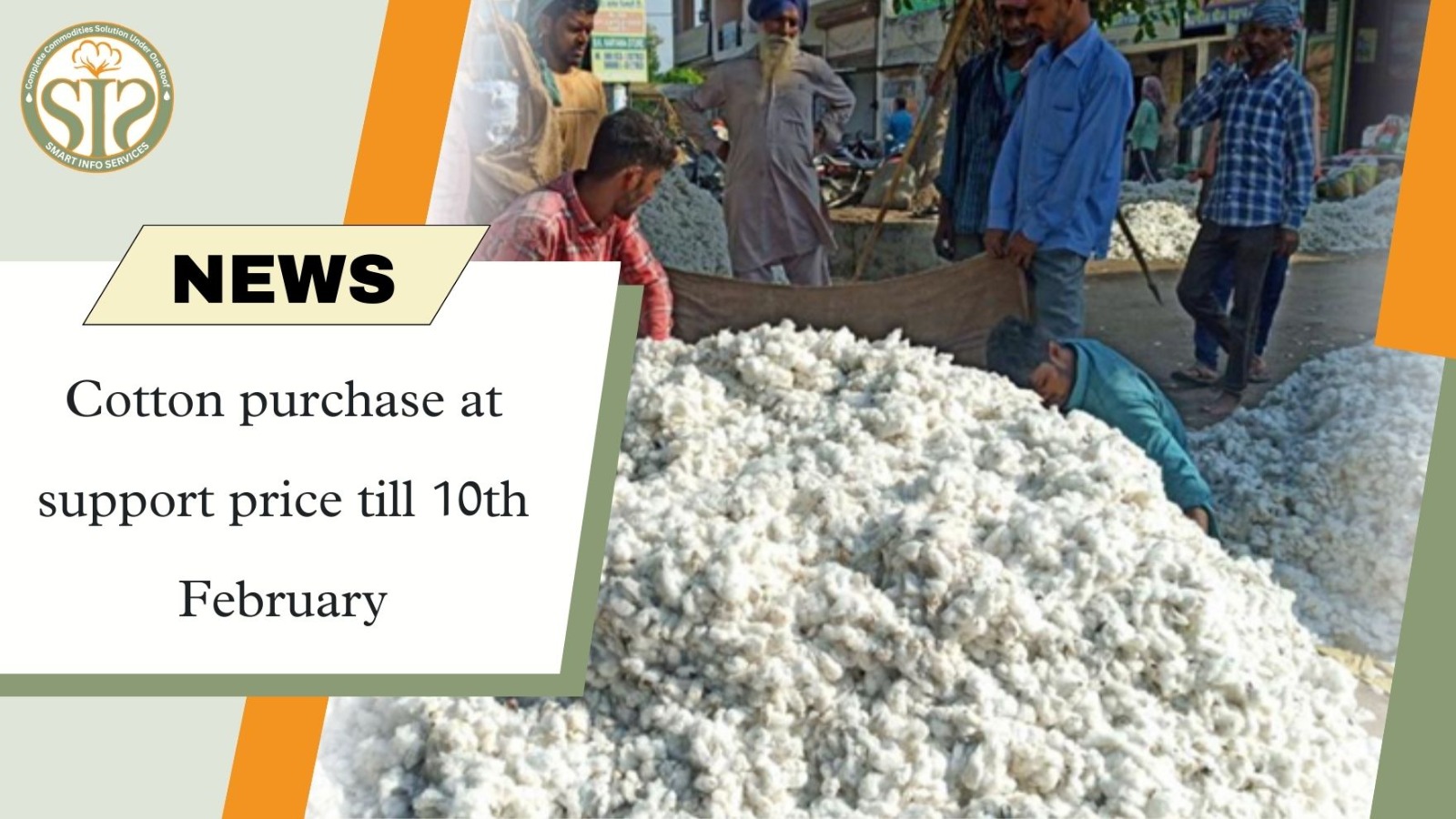
Cotton arrival in mandis in northern belt records 49.66% surge compared to 2024The northern cotton belt — comprising Punjab, Haryana and Rajasthan — has so far recorded a surge of 49.66 per cent in cotton balls’ arrival in mandis this season, and more arrivals are expected in the coming months with harvesting still on. The three states have so far received 13.32 lakh bales (one bale of ginned cotton — cotton separated from seed — weighs 170 kg) in their mandis compared to 8.90 lakh bales in the corresponding period in 2024.This surge has been attributed to kapas (cotton balls) prices in mandis, selling well below the Minimum Support Price (MSP). With no significant price improvement anticipated, and the current presence of Cotton Corporation of India (CCI), which purchases on the MSP rate, in the market, farmers are choosing not to hold back their produce, and thus, pushing more crops to mandis faster than usual.As cotton bulb picking starts in September and concludes by November, the major cotton arrival season in the northern region begins on October 1 — though some early crop reaches mandis even in September — and 50-70 per cent (in some cases even 90 per cent depending on the market rate in the given season) of the produce reaches mandis by December, and ends by September 30 the next year.Also, the Cotton Corporation of India (CCI) has purchased 13,400 bales (67,000 quintals) this year. In the corresponding period last year, however, the CCI had not even entered the market because the prevailing rate was nearly equal to the MSP. Usually, the CCI enters the market when market prices fall below the MSP and buys cotton at the MSP that meets its parameters. CCI official said, farmers should not panic or rush to bring all their produce to the Mandis at once, as CCI will continue purchasing at the MSP in the coming monthe.Punjab has 1.19 lakh hectares under cotton this year compared to around 1 lakh hectares in 2024, but heavy rainfall damaged around 10 to 15 per cent of the crop, reducing the productive area under cultivation to just above last year’s level (i.e. around 1 lakh hectares) and affecting quality too. Punjab is expected to harvest 1.5 lakh to 1.8 lakh bales this year, compared to last year’s 1.51 lakh bales (7.55 lakh quintals).In Haryana, this year, the area under cotton cultivation stands at 3.80 lakh hectares compared to 4 lakh hectares last year. Thus far, 2.70 lakh bales (13.50 lakh quintals kapas, meaning unginned cotton) arrived in mandis across Haryana compared to 2.45 lakh bales (12.25 lakh quintals) by the corresponding period last year — an increase of about 0.25 lakh bales, or just over 10 per cent.This year, the CCI has procured 65,000 bales (3.30 lakh quintals) in Haryana, slightly higher than last year’s 62,000 bales (3.10 lakh quintals).Rajasthan has recorded arrivals of around 10 lakh bales so far, compared to more than 6 lakh bales in the same period last year — an increase of about 4.0 lakh bales, or around 66 per cent. The state’s cotton area this year is estimated to be 6.50 to 7 lakh hectares, while the yield remains average, around 8 to 10 quintals per hectare.Together, Punjab, Haryana and Rajasthan had around 11.50 lakh hectares under cotton cultivation in 2025 compared to around 11 lakh hectares in 2024. In Punjab and Haryana, the cotton area continues to shrink year after year, while in Rajasthan the trend fluctuates with a slight decline one year and a modest rise the next. These states have also been battling repeated pink bollworm attacks in recent years, severely eroding farmers’ confidence. Punjab is said to be the worst affected, and experts point out that several years ago, the state had nearly 8 lakh hectares under cotton. They argue that if the Punjab government is serious about crop diversification and protecting the cotton belt, it must invite scientists from across India to investigate the root causes of persistent pest outbreaks and develop effective solutions.Cotton prices remained strong and above MSP from 2021–22 to 2023–24, but fell sharply in 2024–25, although they stayed close to the MSP. Cotton fetched ₹13,000 to ₹14,000 per quintal in 2021, around ₹10,000 in 2022, ₹8,000 to ₹8,100 in 2023, and between ₹6,000 and ₹8,300 in 2024, with most of the crop selling at ₹7,400 to ₹7,500—almost equal to the MSP. Last year’s MSP was ₹7,121 per quintal for medium staple and ₹7,521 per quintal for long staple. This year’s cotton price is the lowest in the past five years.Cotton Association of India (CAI) Chairman Atul Ganatra said based on inputs from states, the CAI projected that Punjab would harvest around 1.80 lakh bales (9 lakh quintals), Haryana 6.52 lakh bales (32.60 lakh quintals) and Rajasthan 18.80 lakh bales (94 lakh quintals).To address these challenges, a five-year “Mission for Cotton Productivity” has been announced in the Union Budget 2025-26. The mission aims to enhance productivity and quality, promote innovation and strengthen the textile value chain through strategic interventions, research and extension activities across all cotton-growing states. It will focus on developing climate-smart, pest-resistant and high-yielding varieties, including Extra Long Staple (ELS) cotton, using advanced breeding and biotechnology tools.read more :- "7 lakh cotton farmers in Maharashtra are registered on the cotton farmer app."

"7 lakh cotton farmers in Maharashtra are registered on the cotton farmer app."

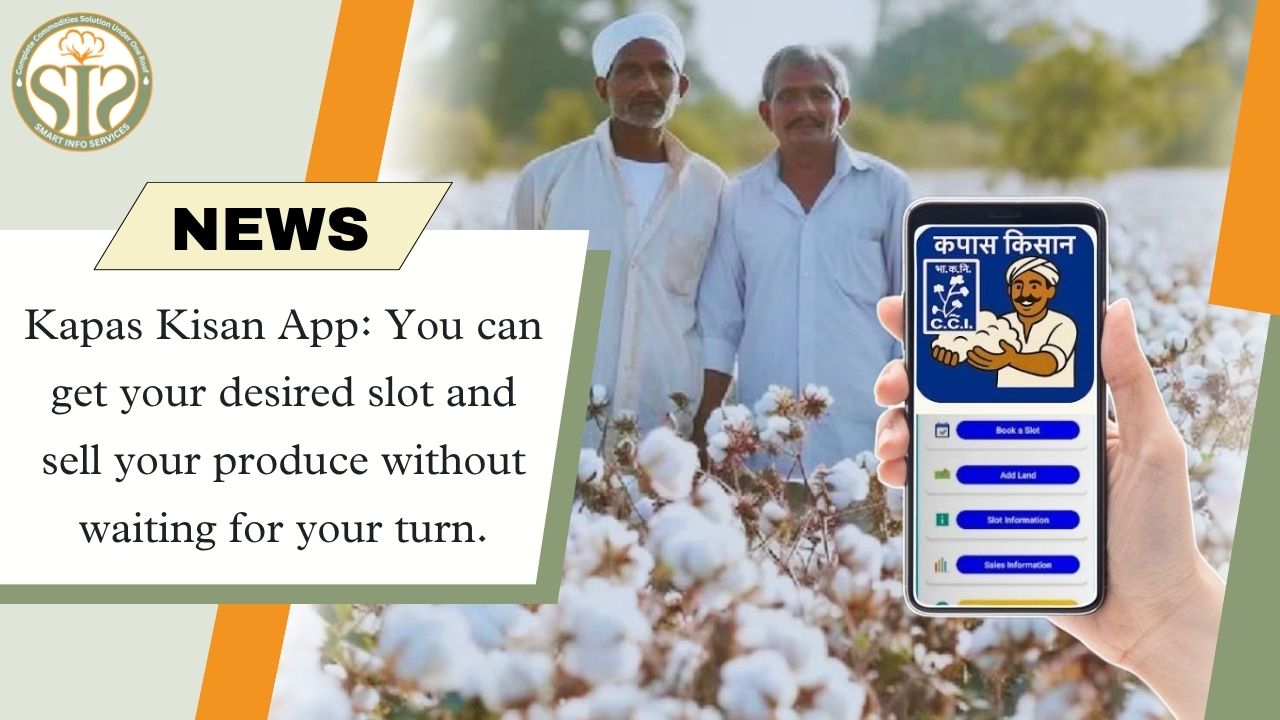
Maharastra :7L farmers in state register onKapas Kisan app to sell cotton.Nagpur: Around seven lakh farmers across the state have registered through the Kapas Kisan app for selling cotton at the minimum support price (MSP) to the Cotton Corporation of India (CCI) as the deadline ends on Dec 31.After India did away with cotton import duty, following the tariff tension with the US, rates of the commodity have been bearish. Farmers are depending on CCI for selling their produce at MSP, which has been fixed at Rs8,110 per quintal for the long staple grade. Even the import tariff stands removed till Dec 31.With nearly 41 lakh registrations throughout the country including those in Maharashtra, the number of farmers having access to MSP sales remains a matter of debate. Even as the registrations gradually increased, farmer activists point out that the actual number of farmers in Vidarbha alone would be higher as compared to the current tally for the state.As the CCI introduced the app-based system, farmers faced issues getting registered initially. However, a senior official in CCI said that each day, 50,000 new farmers are getting registered throughout the country. This means the cotton growers are applying for MSP sales as and when they want to offload their produce.Meanwhile, the open market rates have also seen an improvement after CCI procurement picked up. Sources said private traders are offering around Rs7,400 a quintal, often by showing the cotton as lower grade. This is because prices of the best grade have to be matched with the MSPRoshan Kothari, director at a private agriculture produce marketing committee (APMC) at Wani in Yavatmal, said the rates have improved in private markets. Initially, the cotton fetched around Rs6,800 a quintal. Kothari said a rate of Rs8,000 would leave a decent margin of profit for the growers, considering the lower yields this year. Meanwhile, CCI purchased around 5 lakh bales in Maharashtra and around 27 lakh bales in the entire country.read more :- The rupee opened 01 paisa lower against the dollar at 89.98.
Cotton Association demands removal of 11% import duty

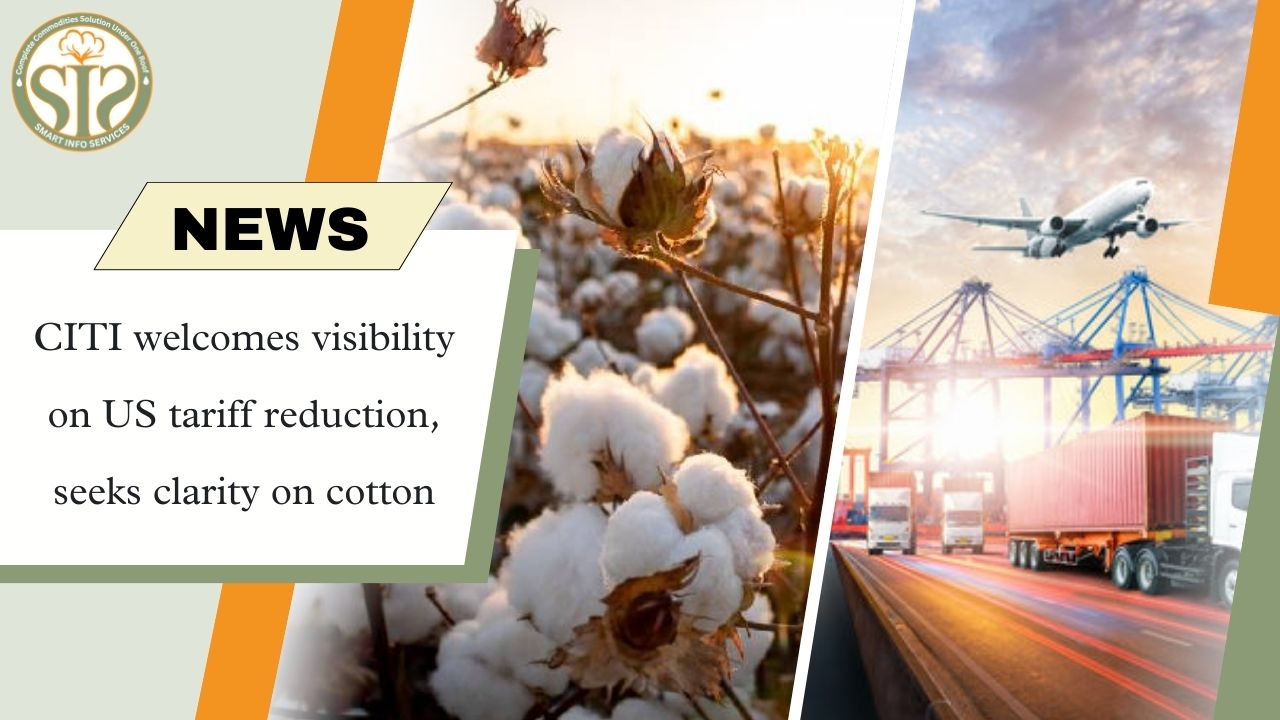
The Cotton Association of India has appealed to the government to remove the 11% import duty on raw cotton imports.Mumbai: The Cotton Association of India (CAI), the largest industry body, has appealed to the central government to remove the current 11% import duty on cotton to support and protect the entire cotton and textile value chain.“Current market challenges due to low domestic productivity and high MSPs have made Indian cotton more expensive than other competitive international cotton varieties,” CAI President Vinay Kotak said on Tuesday. “The 11% import duty imposed on cotton imports into India not only distorts prices but also exacerbates the hardships of our textile industry.”He said, "The only way to improve the textile industry is to provide a sustainable and competitive supply of raw materials. Farmers are already protected through the MSP system. Now is the time to protect the textile industry by removing the 11% import duty. This will provide textile/spinning mills with competitive raw materials." According to him, the industry is suffering losses due to the uncertainty of United States tariffs and the recession in Europe.He said, "If the textile industry is not supported now, it could immediately lead to unemployment, loan defaults, and bad debts across the entire textile value chain."The Textile Ministry's target of exporting $100 billion in textile products by 2030 will only be achieved if manufacturers have access to competitive raw materials.Kotak said, "The 11% import duty was imposed during the COVID-19 pandemic under special circumstances. Prior to that, there was generally no import duty on cotton in India, and it did not adversely affect farmers." He added: "This season, unseasonal rains have severely damaged the quality of Indian cotton. Therefore, our textile mills will be forced to import cotton to meet buyers' quality requirements. If the 11% import duty is not lifted, Indian textile goods will become uncompetitive, and buyers will shift to Vietnam, Bangladesh, Pakistan, and other markets. This could lead to long-term losses and a decline in India's share of the global cotton textile market."Kotak said the government is working hard to finalize FTAs with several countries.Praising the efforts of Prime Minister Narendra Modi and Commerce and Industry Minister Piyush Goyal, he said, “We can also reach a USA tariff solution. These events will provide our textile industry with a significant opportunity to export yarn and other textile products and increase India's share in world textile trade. These benefits can only be achieved if the 11% duty on raw cotton imports into India is removed, thus providing access to raw materials at competitive rates.”He further said, “In fact, the mega trend of the 'China Plus One' policy and the potential shift of sourcing from Bangladesh due to the unstable political situation and the shortage of US dollars present a golden opportunity for the Indian textile industry to grow and increase exports, provided the 11% import duty is removed and our textile industry can access competitive cotton.”read more :- Rupee higher 06 paise to close at 89.97 per dollar

Soybean prices cross guaranteed price, rise in Sangli

Soybean prices will surpass the guaranteed price level; soybean prices have risen significantly in the Sangli market.Soybean Market Prices: Soybean production in the district has declined this year. This is causing soybean prices to rise somewhat. For the past few days, soybean arrivals to the state's market committees have been declining, but demand is increasing.Soybean Market Prices: Soybean production in the district has declined this year. This is causing soybean prices to rise somewhat. For the past few days, soybean arrivals to the state's market committees have been declining, but demand is increasing.Sangli: There has been a significant increase in soybean demand at the national level. This is having a positive impact on prices, with the price of good quality soybeans increasing by 1,000 in just two days.Therefore, market experts are predicting that soybean prices will surpass the guaranteed price level. On Monday, a transaction at the Sangli market yard fetched a price of ₹4,500 per quintal.The minimum price for soybeans in the financial year 2025-26 is ₹5,328 per quintal. Farmers were unhappy with not receiving the minimum price for soybeans.Soybean production in the district has also declined this year. As a result, soybean prices are currently rising somewhat. For the past few days, soybean arrivals at state market committees have been declining, but demand is increasing. The price of high-quality soybeans, i.e., those used for seed, has increased by ₹1,500 in just two days, and mill-quality soybeans have reached ₹4,500.Two days ago, soybeans fetched up to ₹4,250 per quintal at the Sangli Market Committee, while on Monday, they fetched up to ₹4,500 per quintal at the same market committee.However, farmers are being advised to sell soybeans only after assessing the price.Reasons for Rising Soybean Prices◼️ Demand for soybean oil has increased recently. This has led to increased purchases by processing industries.◼️ On the other hand, soybean sowing has decreased this year's Kharif season.◼️ Furthermore, soybean procurement by NAFED has now begun. This is supporting prices.read more :- America's eyes on India's cotton market

America's eyes on India's cotton market

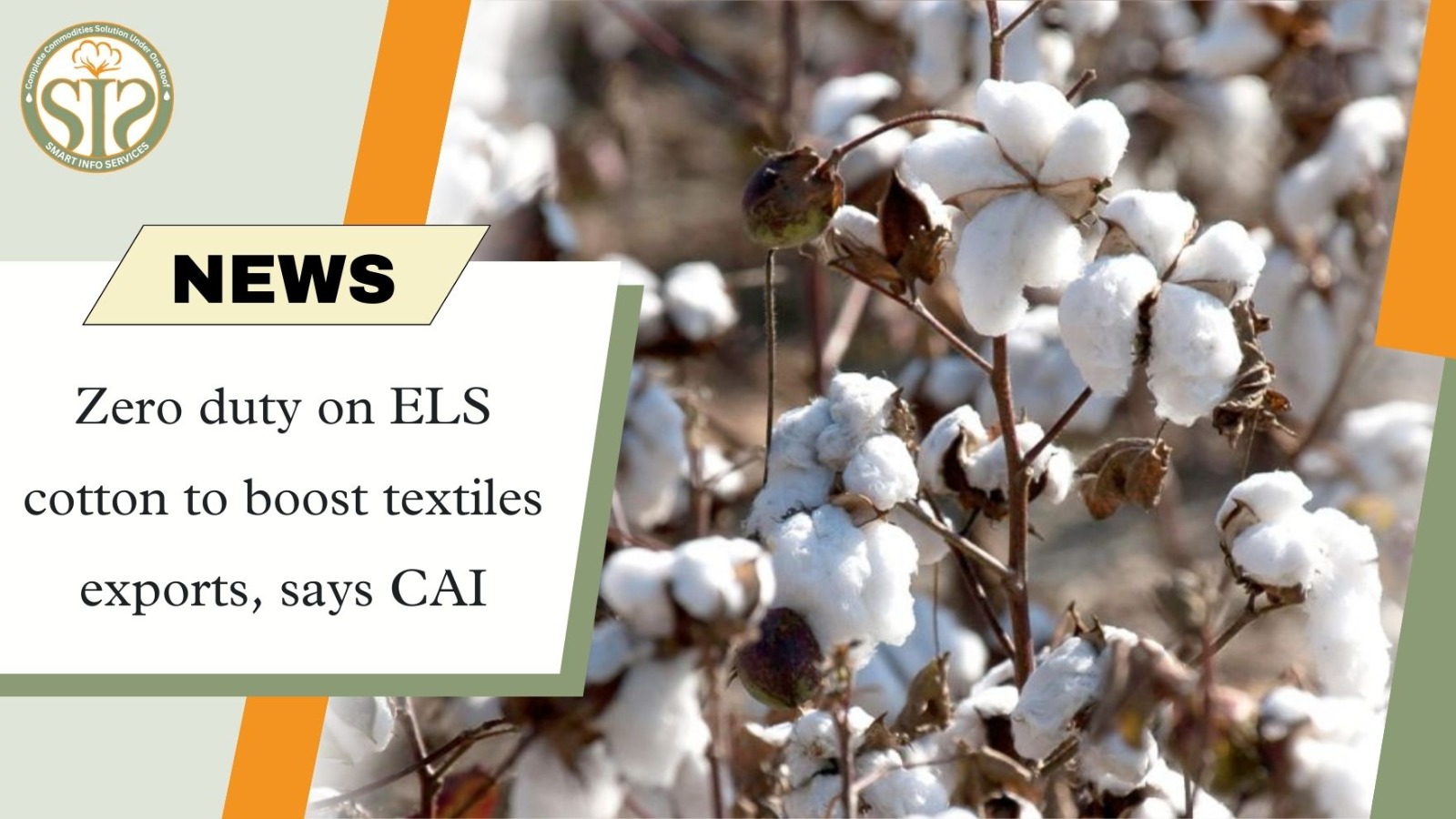
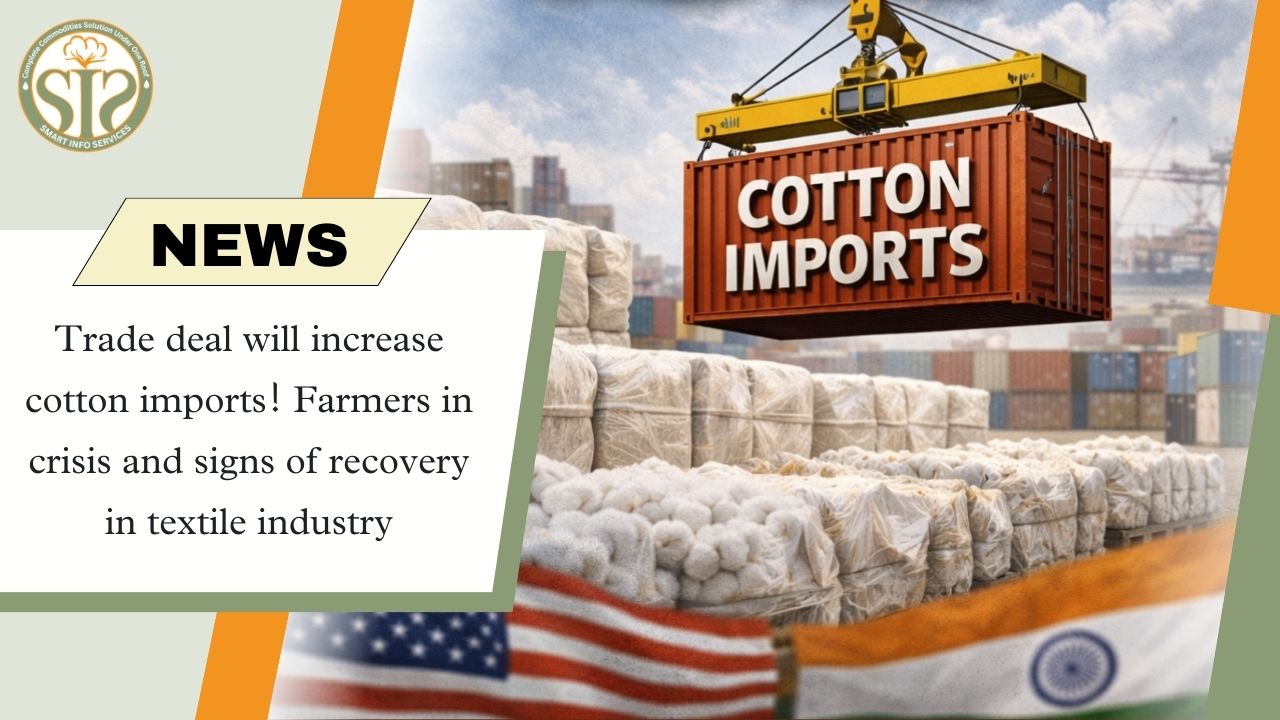
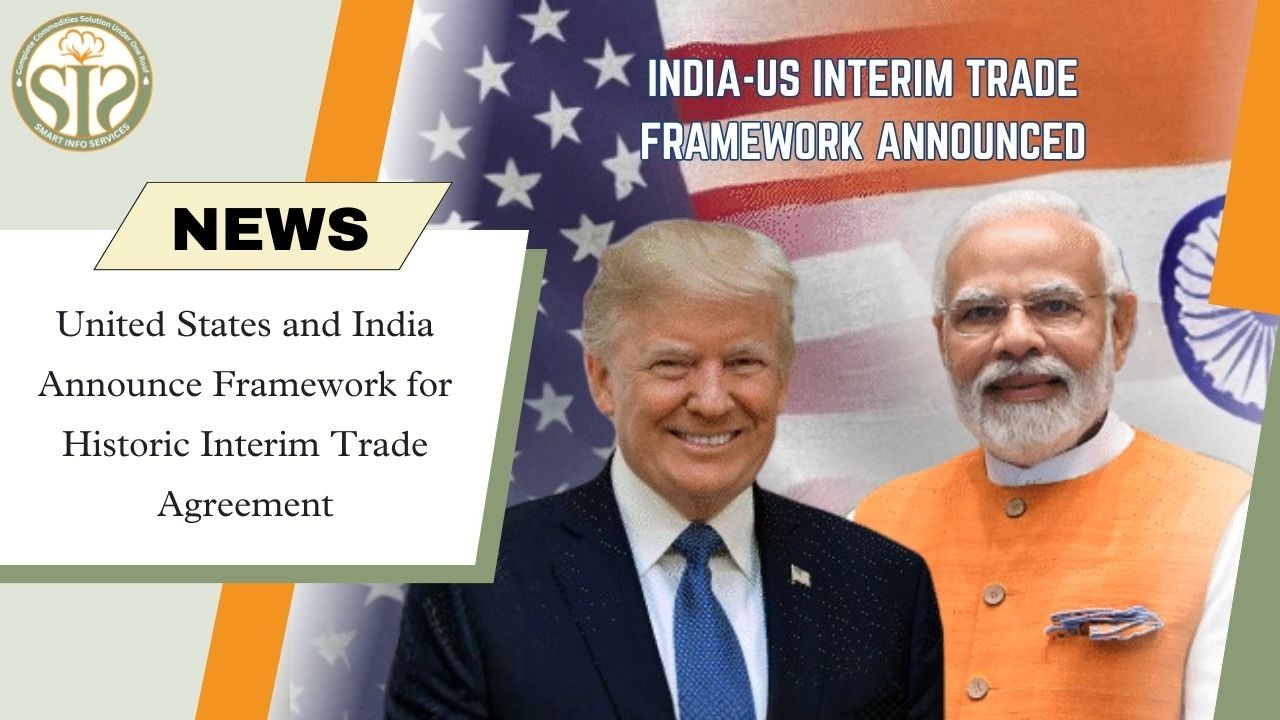
Cotton farmers face growing challenges, as the US sees a market in India.Previously, imports of raw cotton into India were subject to a five percent basic customs duty, a five percent agricultural infrastructure and development cess, and a ten percent social welfare surcharge, totaling eleven percent.This duty was imposed after the farmers' protest in February 2021, keeping in mind the interests of the country's cotton farmers. However, now, responding to the demand of the textile industry, the government has waived all customs duties on raw cotton imports effective August 19, 2025.Not only did the country's textile industry applaud this decision, the US Department of Agriculture also issued a statement, calling it a significant step and stating that it would increase US cotton exports to India. While this decision may benefit the US, it is hurting the country's farmers.According to the Global Trade Research Initiative (GTRI), the biggest beneficiary of this import duty exemption will undoubtedly be the US. The United States is the largest cotton exporter to India, and the new cotton crop begins arriving in the market from July to August.Importantly, the import duty was lifted just as the new cotton crop from Indian farmers was about to arrive in the market. The country's cotton harvest occurs from October to September, during which time farmers expect to receive good prices. Now, with the large-scale import of cotton from abroad, domestic cotton prices will fall.On the day the notification for the customs duty exemption was issued, the Cotton Corporation of India (CCI) reduced the price of cotton by Rs. 600 per candy (one candy = 356 kg), and the next day, it reduced it by another Rs. 500 per candy. Thus, within just ten days, the government itself reduced the minimum price of cotton by a total of Rs. 1700 per candy.The US ranks third in cotton production.Although India is the world's second-largest cotton producer, with domestic consumption accounting for 95 percent of total production. However, India's production of high-quality, or extra-long-staple cotton (ELS), is low, and its demand is met through imports.The Cotton Council International (CCI), a US agricultural trade body, has long demanded the removal of this tariff. The government has eliminated the 11 percent tariff on imports of high-quality, or extra-long-staple cotton, effective February 20, 2024. However, the tariff on short-staple cotton imports remained in place, which was lifted in August of this year.This move will protect Indian textile exporters' profits to some extent from the impact of US tariffs, but the country's farmers will bear the brunt of the impact, especially given the government's strong claims of doubling farmers' income.The government forgot to mention cotton farmers.The statement regarding the removal of customs duty on cotton addressed the interests of textile manufacturers and consumers, but the government neglected to mention cotton farmers. The second statement stated that farmers' interests are protected through the Minimum Support Price (MSP) system operated by the Cotton Corporation of India Limited, which ensures that farmers receive a price at least 50 percent higher than their production costs.The government determines the minimum support price based on the A-2 FL formula. According to this, the minimum support price for medium-staple cotton has been set at ₹7,121 per quintal for the year 2024-25. However, farmers' organizations are demanding that it be determined based on the C-2 formula, which requires it to be ₹10,075 per quintal. It should be noted that the C-2 formula for determining the minimum support price was suggested by Dr. MS Swaminathan.99% of cotton is cultivated as a Kharif crop.In India, cotton cultivation is primarily a Kharif crop, while in some parts of Tamil Nadu and other surrounding states, it is a Rabi crop. Approximately 6 million farming families in India earn their livelihoods from cotton cultivation. Additionally, 40-50 million other people are also involved in the cotton trade.Last year, cotton was cultivated on a total of 114.47 lakh hectares of cultivable land, representing 36.36 percent of the global cotton acreage of 314.79 lakh hectares. India ranks first in the world in terms of acreage and second only to China in production. However, the per hectare yield (437 kg per hectare) is significantly lower than the world average (833 kg per hectare).Thus, the average annual cotton production was 337 bales, while the procurement at the minimum support price was only 38 bales. This means that only 11.27 percent of the total cotton production was purchased by the government. Furthermore, out of the approximately six million cotton farmers who cultivate cotton annually, only 7.88 lakh farmers were purchased from cotton at the minimum support price. How will farmers' interests be protected under these circumstances?read more :- Rupee open Falls 15 Paise to 90.03/USD

Related News

Youtube Videos

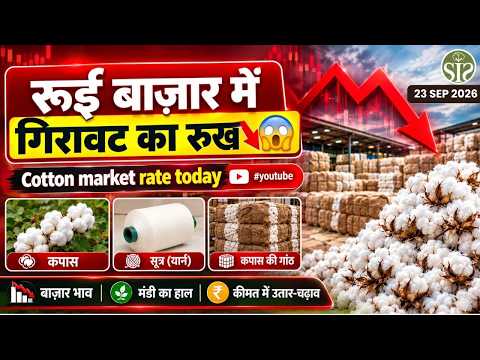
आज देशभर में रुई के भाव 😱 Cotton Market Rate Today #kapasbajar
आज देशभर में रुई के भाव 😱 Cotton Market Rate Today #kapasba...
जानिए आज का कपास बाज़ार? 😱 Cotton Market Rate Today #kapasbajar
जानिए आज का कपास बाज़ार? 😱 Cotton Market Rate Today #kapasba...
ऐसा रहा आज कपास बाज़ार 😱 राजस्थान कपास बुआई | Cotton Market 22 July
ऐसा रहा आज कपास बाज़ार 😱 राजस्थान कपास बुआई | Cotton Market...
कपास बाज़ार में आज क्या हुआ? 😱 Cotton Market Rate 21 July 2026
कपास बाज़ार में आज क्या हुआ? 😱 Cotton Market Rate 21 July 2...
कैसा रहा आज का कपास बाज़ार? 😱 Cotton Market Rate Today | 20 July 2026
कैसा रहा आज का कपास बाज़ार? 😱 Cotton Market Rate Today | 20...
इस हफ्ते कपास में तेज़ी या मंदी? 😱 CCI ने बेचीं 3.18 लाख गांठें | Weekly Cotton Market
इस हफ्ते कपास में तेज़ी या मंदी? 😱 CCI ने बेचीं 3.18 लाख गा...
Cotton rate today: आज के कपास के भाव 🤔 #kapas  #youtube
Cotton rate today: आज के कपास के भाव 🤔 #kapas #youtube
रुई बाज़ार में आज तेज़ी का रुख 😱 CCI ने बेचीं 40,000+ गठानें #kapas
रुई बाज़ार में आज तेज़ी का रुख 😱 CCI ने बेचीं 40,000+ गठानें...
ऐसा रहा आज कपास बाज़ार 😱  राजस्थान कपास बुआई | Cotton Market 15 July
ऐसा रहा आज कपास बाज़ार 😱 राजस्थान कपास बुआई | Cotton Marke...
कपास की कीमतों में उछाल 😱 Cotton market rate today #kapasnabhav
कपास की कीमतों में उछाल 😱 Cotton market rate today #kapasna...
CCI Update: आज कितनी रुई गठानें बिकीं? 😱 Cotton market price today
CCI Update: आज कितनी रुई गठानें बिकीं? 😱 Cotton market pric...
साप्ताहिक कपास बाजार में तेज़ी 😱 Weekly cotton market review #kapas
साप्ताहिक कपास बाजार में तेज़ी 😱 Weekly cotton market review...
जानिए आज का कपास बाज़ार 😱 Cotton market rate today #kapas
कपास की कीमतों में उछाल 😱 Cotton market rate today #kapas
रुई बाज़ार में आज तेज़ी का रुख 😱 CCI ने बेचीं  70,000+ गठानें  #kapas
रुई बाज़ार में आज तेज़ी का रुख 😱 CCI ने बेचीं 70,000+ गठानें...
Application Download
Whatsapp Contact