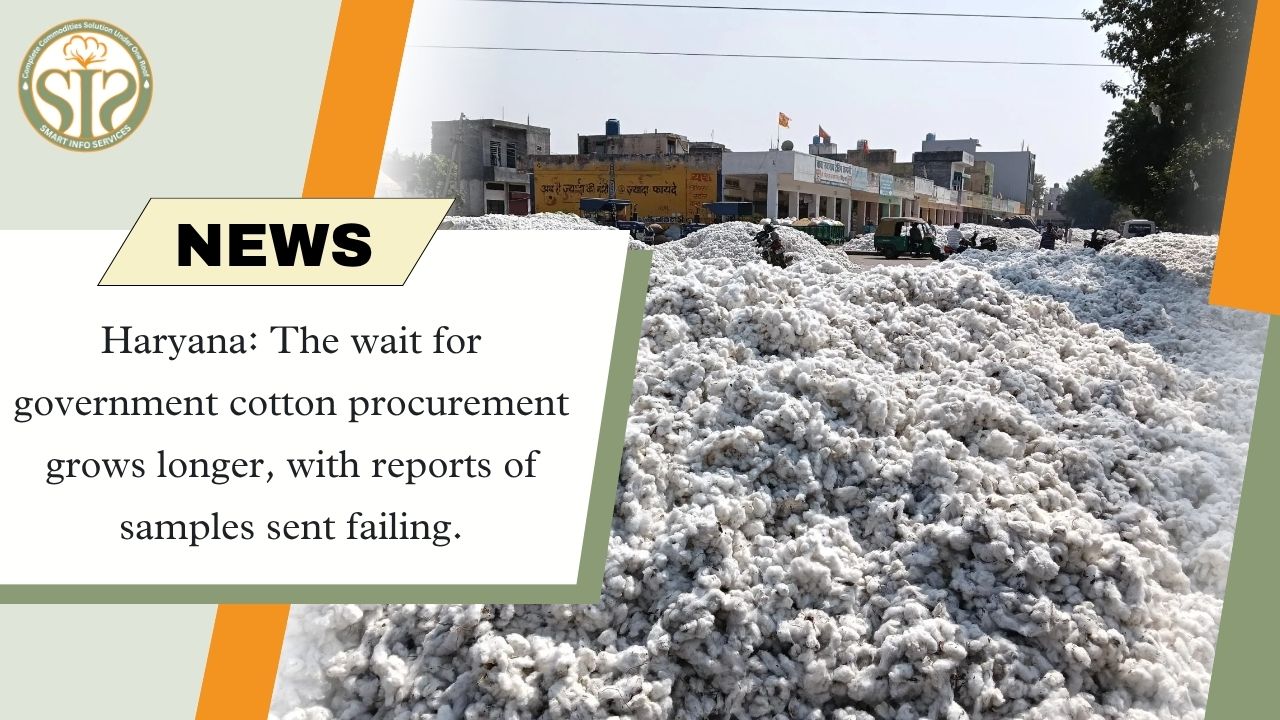
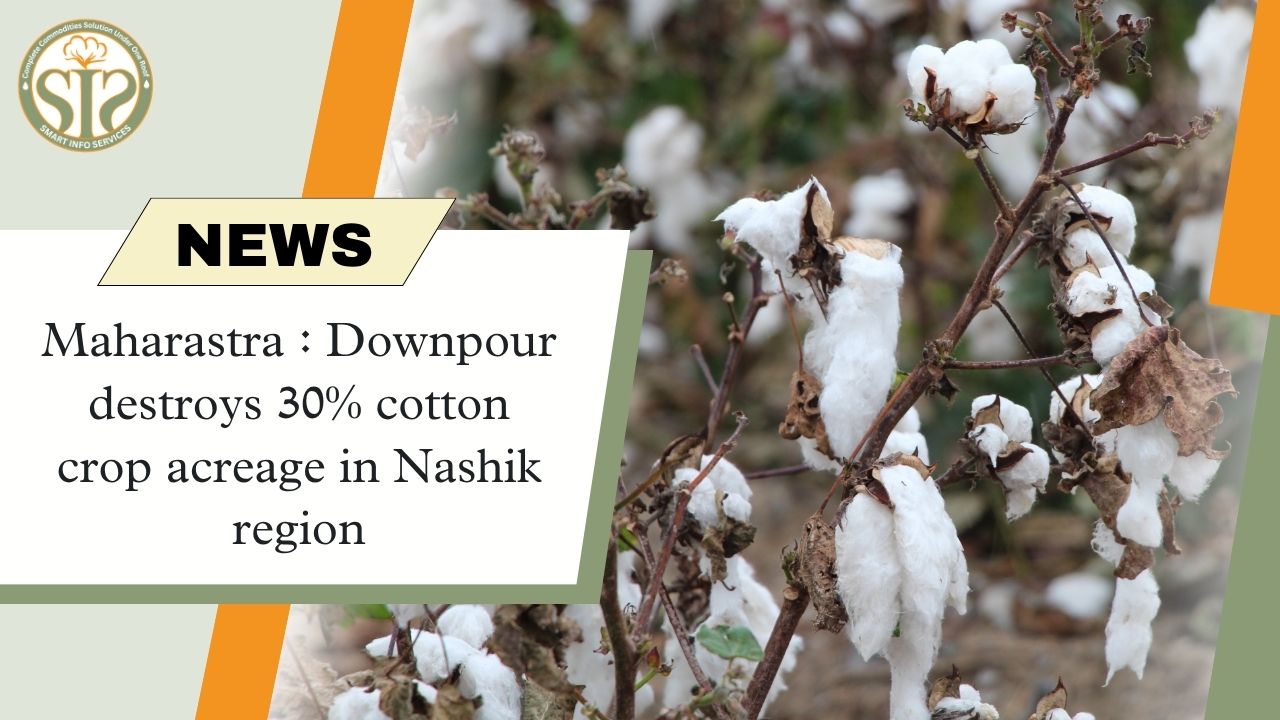
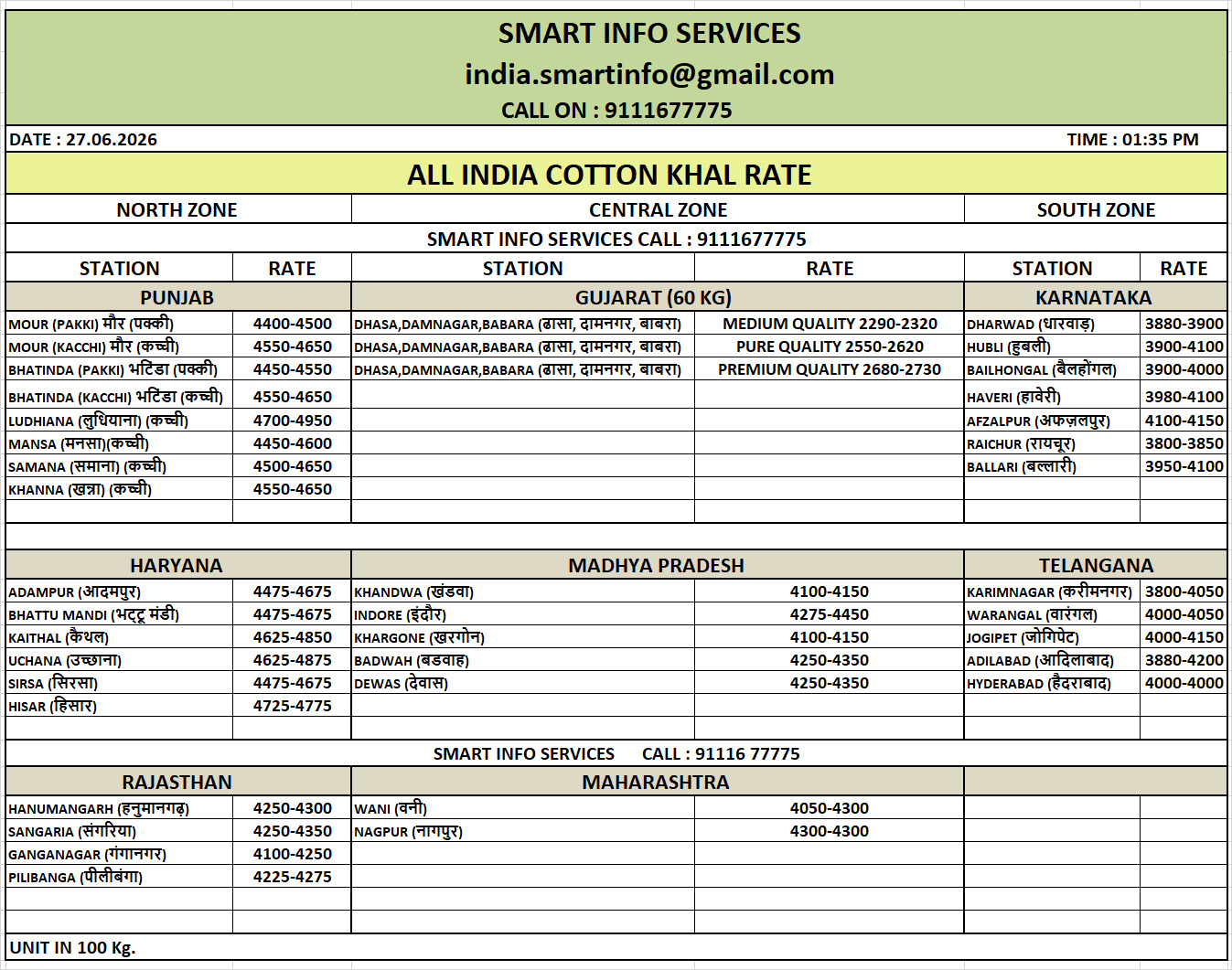
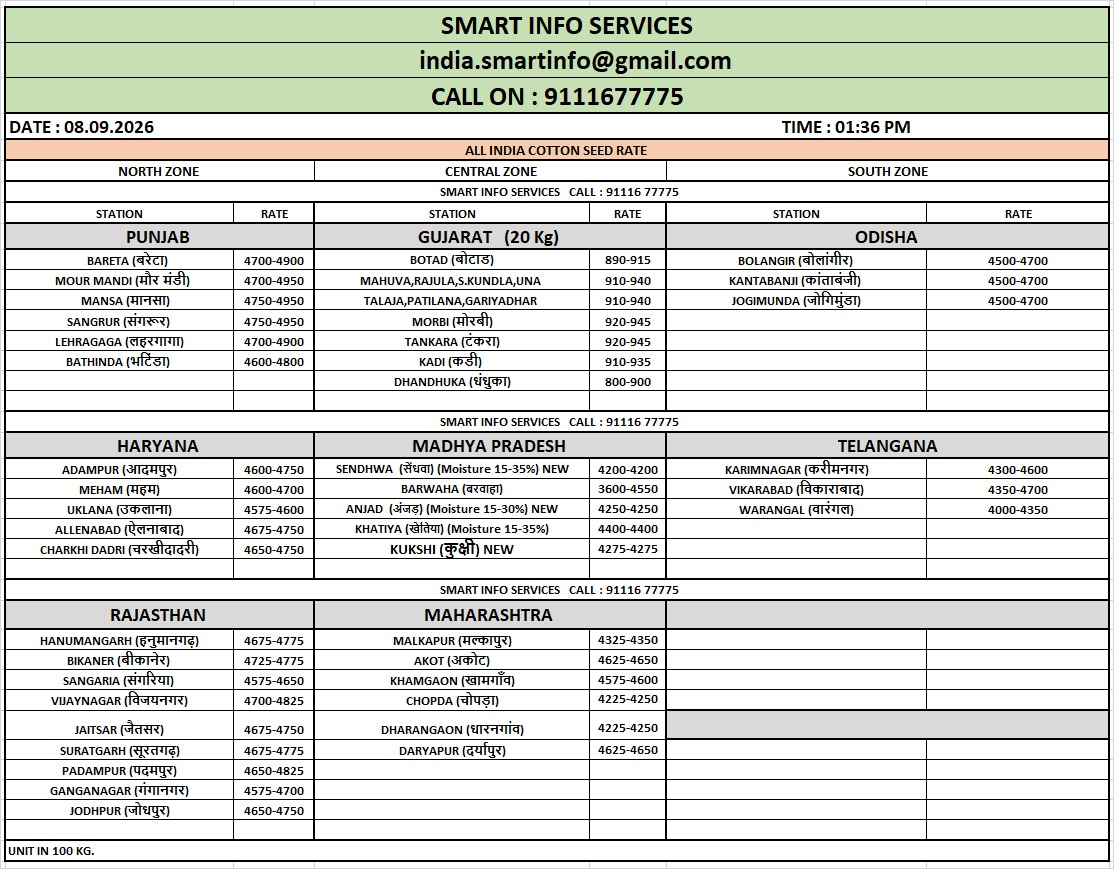
Recent News

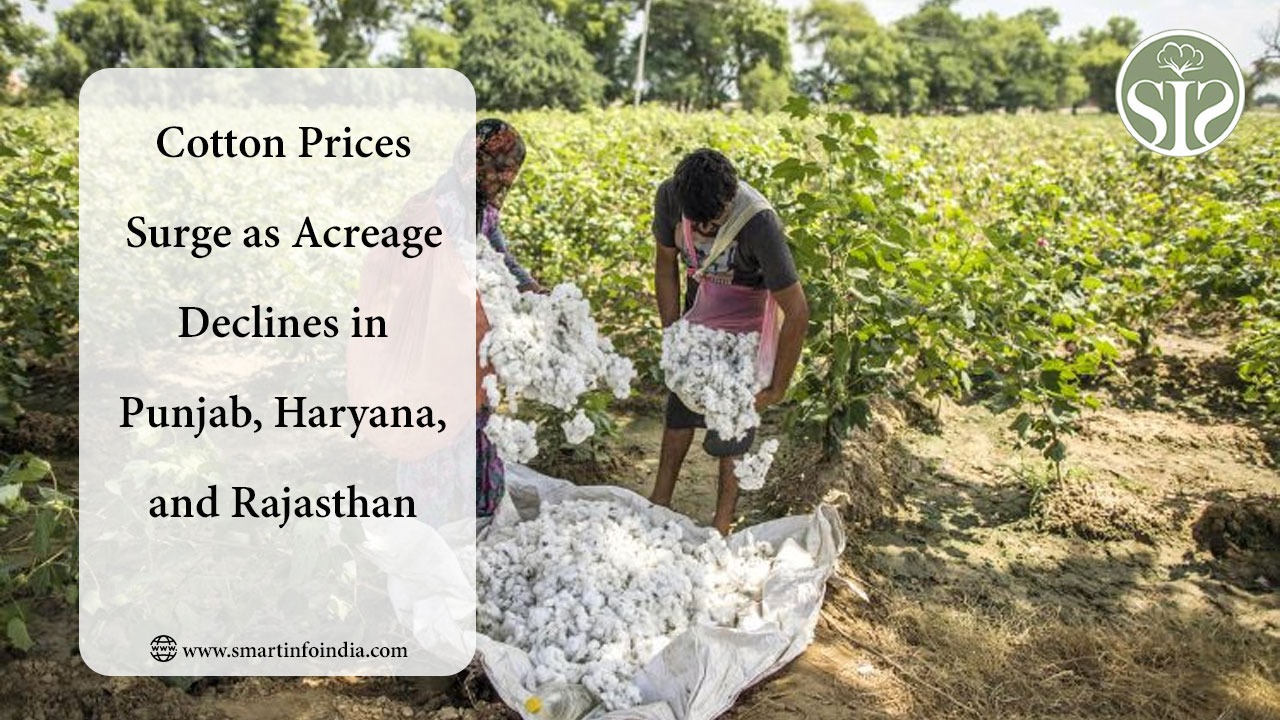
Cotton prices Surge as Acreage Declines in Punjab, Haryana, and Rajasthan

Prices for cotton rise in Punjab, Haryana, and Rajasthan as acreage declines.Cotton prices have increased by 1.07%, reaching ₹56,900 per candy, driven by significant reductions in cotton acreage across major Indian states. Punjab, Haryana, and Rajasthan have seen their cotton cultivation fall to 10.23 lakh hectares from 16 lakh hectares last year. Specifically, Punjab's cotton area has plummeted to 97,000 hectares, a sharp decline from 7.58 lakh hectares in the 1980s and 1990s. Rajasthan and Haryana also reported reductions, with their cotton acreage now at 4.75 lakh hectares and 4.50 lakh hectares, respectively.The decrease in acreage is coupled with delays in shipments from major global cotton producers like the US and Brazil, heightening demand for Indian cotton, particularly from mills in neighboring countries.The rise in cotton prices is further supported by firm cottonseed prices. Sowing for the Kharif 2024 season has commenced in southern states such as Karnataka, Telangana, and Andhra Pradesh, following recent monsoon rains. According to the USDA’s 2024/25 cotton projections, higher beginning and ending stocks are anticipated compared to previous estimates.Despite stable domestic production, consumption, and export forecasts, the season average upland farm price has been revised down by 4 cents to 70 cents per pound due to lower new-crop cotton futures. In the US, ending stocks are expected to rise by 400,000 bales to 4.1 million bales. Globally, the 2024/25 cotton balance sheet indicates increases in beginning stocks, production, and consumption, with world-ending stocks projected to reach 83.5 million bales, up by 480,000 bales from May.read more :- White fly and pink bollworm infest cotton crop

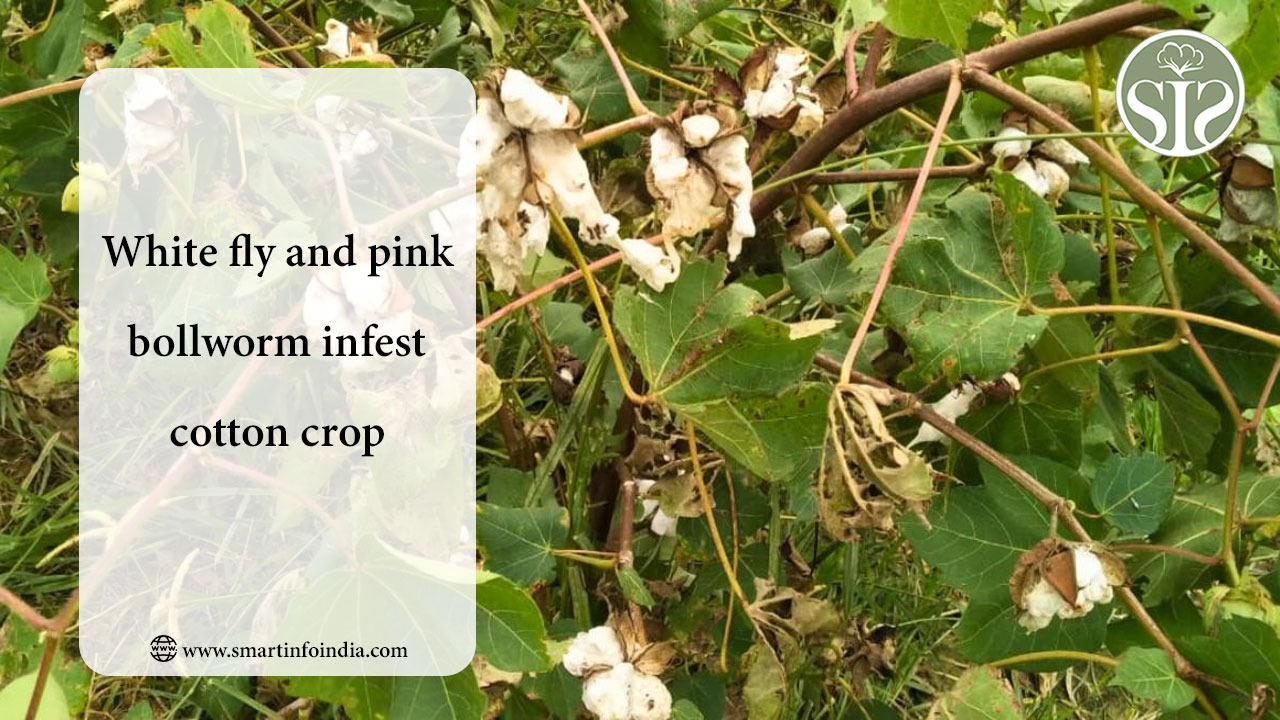
White fly and pink bollworm infest cotton crop

Cotton crop is infested by pink bollworm and white fly.This year too, cotton crop in Haryana and Punjab is facing the attack of white fly and pink bollworm. Like the last two years, this time too these pests have damaged the crop, forcing farmers to till their crops. Some farmers who have access to water are planting late varieties of paddy, while other farmers have started uprooting the crop to minimize their losses.However, in the previous years, the cotton crop had suffered heavy losses due to pink bollworm attack, the same is expected to happen this time too. In some villages of Fazilka, farmers are uprooting their crops and preparing to plant rice variety. According to the agriculture department, some hotspots of infection have been identified, but so far the attack of pests is within the prescribed limit.Jaswant Singh, director of agriculture department of Punjab, has admitted that there have been reports of farmers uprooting cotton crop. Farmers who have provided PR 126 variety of paddy seedlings are only able to uproot half of the crop.Haryana farmers are also facing the attack of white fly and pink bollworm this year. Satpal Bhadu, who grows cotton in 30 acres, has planted cotton in only 10 acres and now his crop is being attacked by pests. Sukhbir Manju, a resident of Khajuri-Jaati village in Fatehabad, had also given priority to rice crop, but now even the cotton crop has been attacked by pests.In this situation, farmers may have to make new plans for future crops and hope for more assistance from the government. READ MORE :- Bangladesh Crisis Presents Growth Opportunity for Domestic Textile Sector


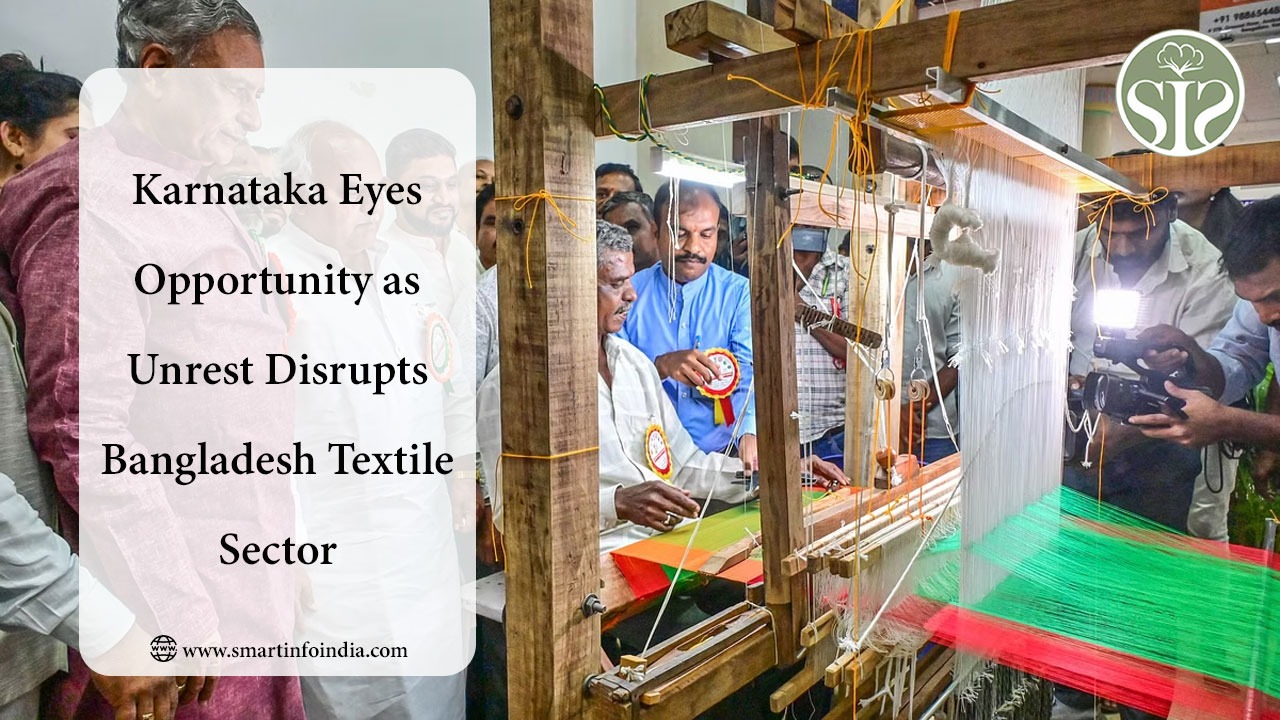
Bangladesh Crisis Presents Growth Opportunity for Domestic Textile Sector

Bangladesh's Crisis Offers the Domestic Textile Industry a Chance to GrowLudhiana: The ongoing political turmoil in Bangladesh has raised concerns within the global textile industry, but it also presents a significant growth opportunity for the domestic textile sector.Industry insiders believe that disruptions in supply chains, delivery delays, and production difficulties in Bangladesh could lead international buyers to explore alternative markets, providing a chance for domestic manufacturers to increase their market share.Ludhiana-based textile manufacturers are already receiving inquiries about potential exports. However, they caution that this growth may be temporary, with buyers likely to return to Bangladesh once the situation stabilizes.As the second-largest textile exporter after China, Bangladesh has been a key player in the global market, attracting many large companies due to its competitive labor costs and strong production capacity. The current instability has raised concerns about its ability to sustain these advantages.Experts warn that the potential benefits for the domestic textile sector depend on the crisis's duration. If the situation in Bangladesh resolves quickly, buyers and manufacturers may choose to maintain their existing relationships rather than risk the costs associated with relocating production.Badish Jindal, president of the All Industries and Trade Forums, commented, "The crisis in Bangladesh has caused uncertainty among buyers, manufacturers, and investors, prompting them to consider alternatives. This presents a significant opportunity for the domestic textile sector."However, Jindal noted that this opportunity would only be substantial if the crisis persists. Short-term disruptions are unlikely to shift long-term purchasing patterns. The timing of the unrest is critical, coinciding with the lead-up to the Christmas shopping season, a crucial period for the textile and apparel industries. Significant disruptions during this time could force buyers to seek other suppliers to avoid potential losses.Jindal added, "This urgency might drive buyers to explore the domestic market as a viable alternative. Additionally, new investments in Bangladesh may be on hold due to the political situation, creating further opportunities for India."Vinod Thapar, president of the Knitwear Club, acknowledged, "We are already seeing export queries. However, this is likely to be a temporary gain, as buyers will return to their original suppliers once the situation normalizes."Read More :>  Agricultural productivity: Cotton, soybean productivity to increase

Related News

Youtube Videos

रुई बाज़ार में गिरावट का रुख 😱 जानिए कपास भाव 🔥Cotton Market Rate Today 30 Sep 2026
रुई बाज़ार में गिरावट का रुख 😱 जानिए कपास भाव 🔥Cotton Mark...
🔥 1200+ दिग्गज एक मंच पर! नागपुर में सजा Cotton Industry का महाकुंभ | India Cotton Summit 2026
🔥 1200+ दिग्गज एक मंच पर! नागपुर में सजा Cotton Industry का...
आज देशभर में रुई के भाव क्या रहे? 😱 Cotton Market Rate Today 🔥 29 Sep 2026
आज देशभर में रुई के भाव क्या रहे? 😱 Cotton Market Rate Toda...
Application Download
Whatsapp Contact